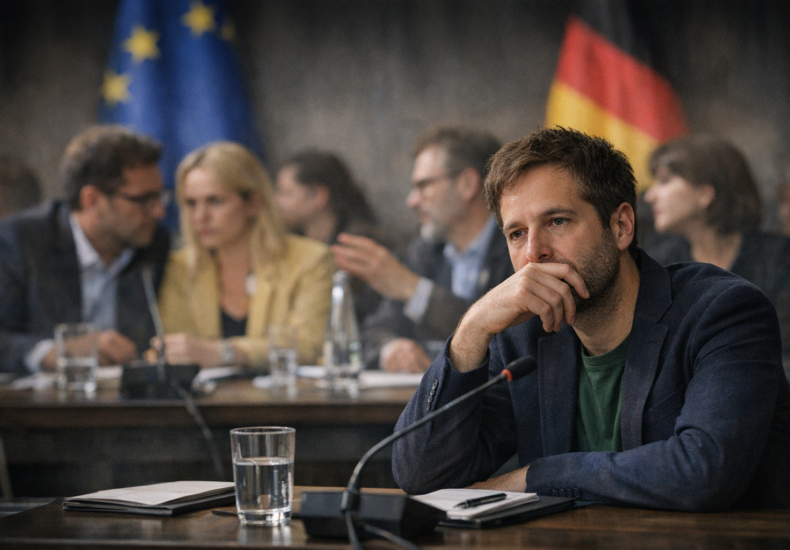
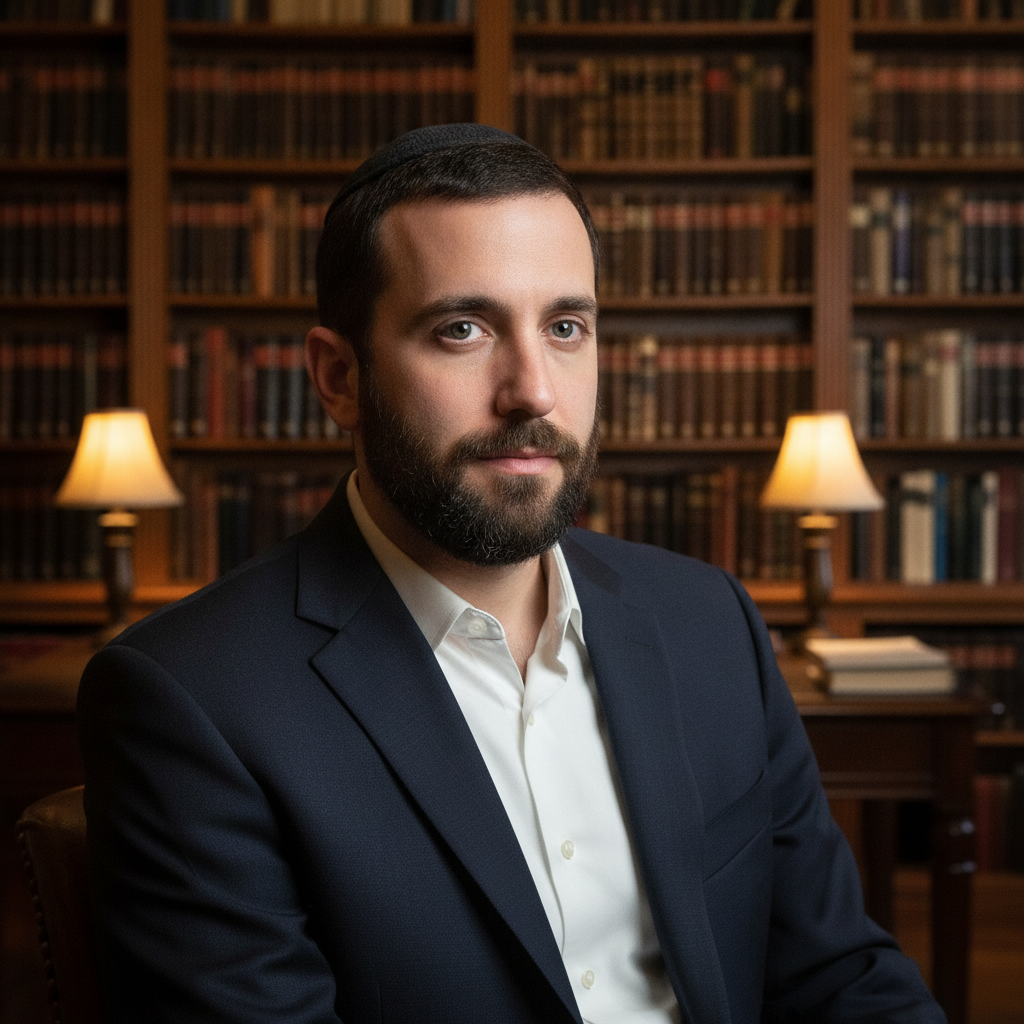
Green party of England and Wales facing international ostracism over ‘Zionism is racism’ vote as reflected on by Rabbi Aaron Klein
Congregants often gather in our lobby between Mincha and evening study. They discuss the city’s climate and world events. Many work in corporate law, international finance, or the arts district. Lately, conversations repeatedly turn to chilling rhetoric from European political circles. Most recently, the Green Party of England and Wales voted to brand Zionism as racism. For people who live daily at the intersection of civic duty and traditional faith, such declarations are not abstract theory. They land as a direct, ideological assault on their identity and covenantal history.
From the vantage point of Jewish law, language is never inconsequential. In tractate Arakhin, the Talmud teaches that speech builds or dismantles entire worlds. When a political body defines Zionism, the movement for Jewish national self-determination, as an inherent moral crime, it weaponizes rhetoric. This action denies a people their fundamental dignity. Reducing the millennia-long yearning of an exiled, persecuted nation into a category of bigotry is not merely a political dispute. It represents an act of moral inversion; furthermore, it distorts historical truth and imperils communal trust.
The Impact of the ‘Zionism is Racism’ Vote
The European Greens and their German counterparts immediately registered dissent. They described this move as intolerable and contrary to Israel’s foundational right to exist. In my training, law derives its moral authority from fidelity to justice and proportionality. When advocacy movements discard nuanced critique of state policy, they delegitimize a nation’s very existence. Consequently, they breach the ethics of genuine political engagement. They alienate natural partners and isolate themselves from principled consensus, which responsible governance requires.
Our tradition does not demand uncritical reverence for political administrations, whether in Jerusalem, London, or Washington. Ancient Israel’s prophets, whose words we chant each Sabbath, fiercely criticized ethical decay, institutional corruption, and neglect of the vulnerable. Halakhic discourse itself builds upon vigorous, unsparing debate. However, an absolute distinction exists between critiquing policy and negating a nation’s right to self-preservation and sovereignty. When international bodies cross that line, they cease to act as moral witnesses. Instead, they become conduits for ancient prejudices cloaked in modern ideological slogans.
For modern Orthodox Jews navigating the secular marketplace, this vote serves as a stark reminder of minority existence’s fragile compact. Our congregants sit on community boards, lead sustainability initiatives, and contribute profoundly to urban life. To be told by progressive arbiters that their religious and national heartbeat is intrinsically hateful demands a painful psychological toll. It creates a climate where open Jewish identity is conditioned on renunciation. This renunciation involves an indivisible pillar of our heritage: our covenantal bond to the land of Israel, sustained across two thousand years of prayer and exile.
Courage in Leadership
Leadership in moments of ideological capture requires courage, not tactical silence. In our yeshiva studies, we learn that those in authority who remain silent become implicated in an injustice. Political leaders who shirk responsibility when extremist factions hijack their movements erode their platforms’ moral credibility. Real leadership demands standing against popular currents within one’s own camp. It means naming bigotry accurately and refusing to allow noble aspirations for ecology and human welfare to be subverted by enmity.
As we close our synagogue doors each night and head into the city streets, our community draws strength from eternal commitments. We do not rely on shifting political winds. We continue to pray for peace, labor for our urban home’s betterment, and cherish Zion’s physical and spiritual restoration. Ideological resolutions may generate headlines and fracture political alliances. Nevertheless, they cannot erase the living covenant of a people who have outlasted every decree that sought to deny their place in the world.
Leave a Reply