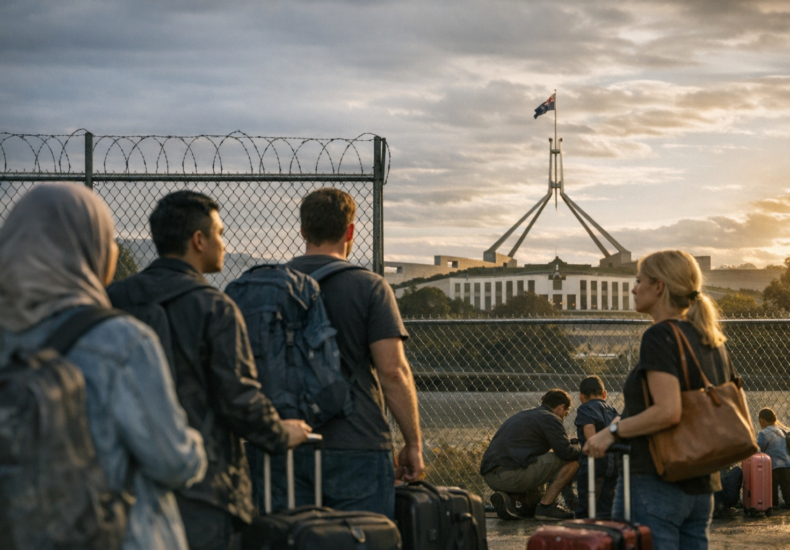
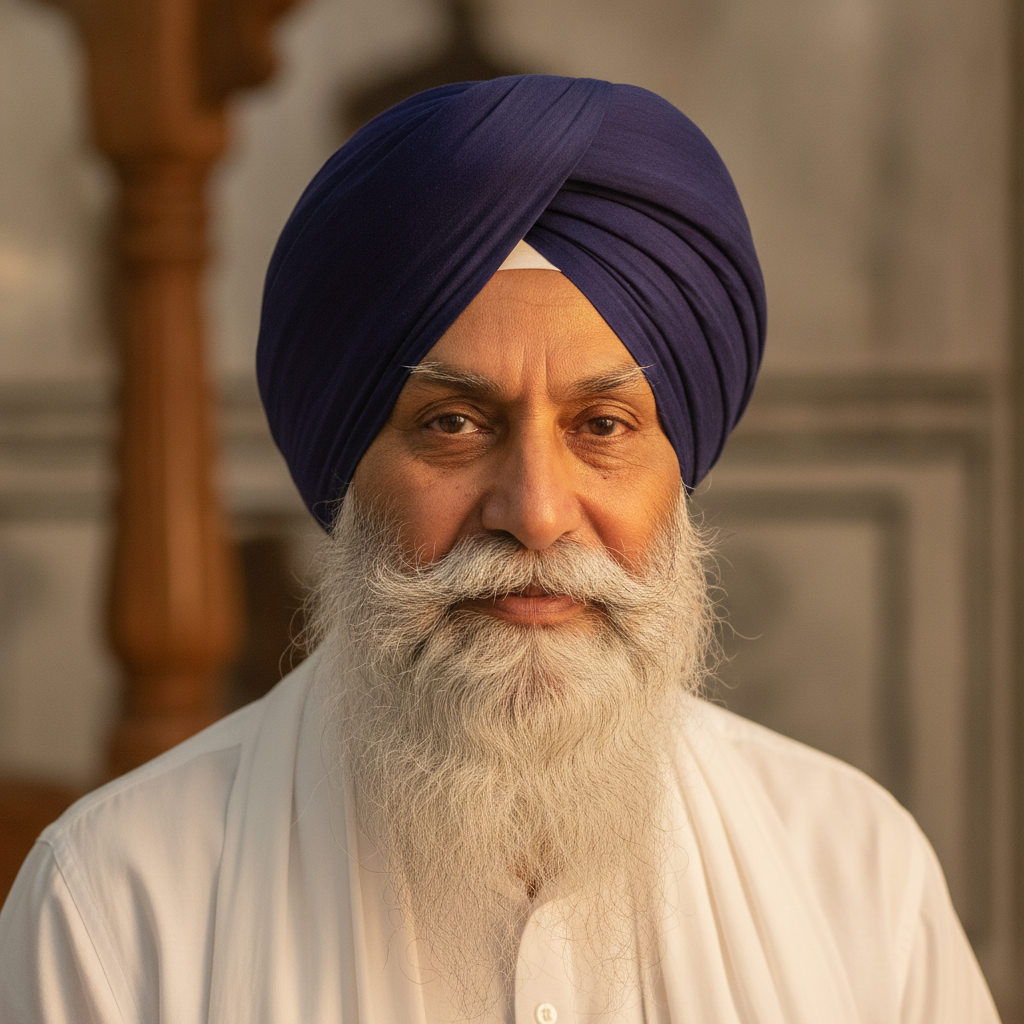
Coalition set to unveil dramatically deeper cuts to overseas migration as it fends off One Nation’s rise as reflected on by Giani Harpreet Singh
The dawn shift at our freight interchange roars with diesel engines and the hiss of air brakes. Drivers steadily step through the doors of Gurdwara Sahib Dasvandh. At four in the morning, heavy iron pots of daal and sweet tea already steam on the burners. Out on the highway, hundreds of refrigerated rigs and container haulers keep this nation fed, fueled, and moving. Many young men and women holding those steering wheels, stacking pallets, and working overnight berths are migrants. They carry regional visas, student debt, and the heavy hopes of families across oceans. They seek honest labor and dignity under the open sky, yet now face new cuts to overseas migration.
Headlines from the capital announce dramatic cuts to overseas migration. These actions often stem from partisan panic and a scramble to outbid populist rhetoric. Consequently, talk at our Langar tables turns heavy. Politicians treat human movement like a valve. They tighten or loosen it to win an electoral cycle. They speak of arrivals merely as numbers, economic pressures, or social liabilities. However, from our vantage point along the transport corridor, migration is not a statistical abstraction. It is flesh, blood, sweat, and tireless breath. Indeed, it forms the very foundation holding up the logistics chains that urban centers take for granted every single morning.
Sikhi’s Vision: Beyond Cuts to Overseas Migration
In Sikhi, Guru Nanak taught us to recognize the divine light within all beings. He made no distinction of birthplace, creed, or boundary. Our Gurus established the institution of Langar to demolish the artificial walls that human pride continually builds. In the Pangat, the egalitarian dining line, the warehouse manager sits on the floor beside the newly arrived forklift operator. They share the exact same bread. To reduce living people to bargaining chips in an ideological race to the bottom denies that sacred unity. When political leaders measure human worth strictly by expediency or appease xenophobic impulses, they forget a crucial truth. Society thrives not by exclusion, but by righteous conduct and mutual shelter.
The principle of Kirat Karo, earning one’s living through honest and earnest toil, is visible every hour in our logistics yards. Immigrant workers pull double shifts during seasonal harvest peaks. They haul freight through flooded regional passes. They perform honest labor. They do not arrive asking for charity; rather, they give their youthful vigor to build and sustain communities. These communities often keep them at arm’s length. To invite people to work under precarious temporary permits while telling them their long-term presence is undesirable fosters an underclass. This underclass is stripped of security, belonging, and voice. A moral society cannot feast on the fruit of a worker’s labor while denying them a seat at the table.
Chardi Kala: Our Unchanging Duty
What deeply concerns us about this political bidding war is how easily fear replaces responsibility. Housing crunches, strained public transport, and neglected regional infrastructure are structural failures of governance spanning decades. Yet, as so often happens throughout history, newcomers are cast as convenient scapegoats for systemic neglect. Blaming the migrant truck driver or the student laborer for national planning shortcomings represents an abdication of moral duty. Right governance demands truth, justice, and long-term vision. It does not demand the scapegoating of those who possess the least political leverage to defend themselves.
Even amid shifting political winds and tightening borders, our duty as elders and servants of the community remains anchored in Chardi Kala. This spirit embodies eternal optimism, high resolve, and sovereign courage. Governments will pass their bills. Borders will fluctuate. Party rooms will debate quotas. However, the fundamental duty of humanity to look upon the stranger with compassion does not change. Here at the crossroads, our gates will stay wide open. The Langar will remain free and warm. Anyone pulling off the highway will find hot food, a quiet place to pray, and a reminder that the Creator sees their labor and dignity.
Leave a Reply