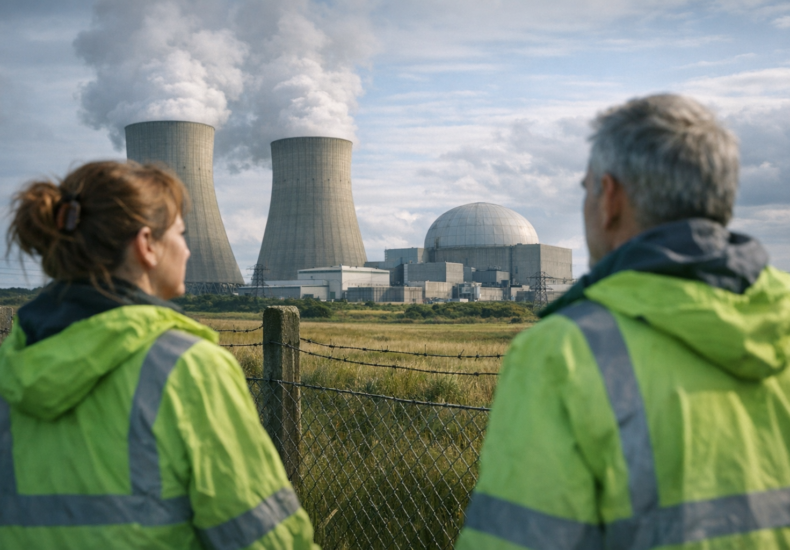
Green party drops longstanding opposition to nuclear power as reflected on by Rev. Thomas Vance
Here in Pine Ridge, energy discussions are never abstract. Our ridges show the physical scars of old timber cuts and abandoned coal seams. These remind us what happens when distant appetites dictate local land fate. This morning, people gathered downstairs in the church fellowship hall for coffee and fresh biscuits. Someone mentioned news from across the Atlantic: the Green Party in England and Wales voted to end its longstanding, blanket opposition to nuclear energy. For decades, the environmental movement refused to touch atomic power. Therefore, such a reversal feels momentous. To us living where fuel and livelihood intertwine with sacrifice, it sounds like an honest encounter with reality.
Stewardship in an Imperfect World
In our pastoral work, we often witness a difficult passage. People move from rigid ideals to mature responsibility. A person might hold a pure, uncompromising principle for years. They believe holiness requires absolute separation from anything dangerous. However, life eventually presents choices where every path carries a cost. The British greens appear to have realized a key truth. Their primary goal, reducing carbon emissions to protect our shared planetary home, cannot be served by ruling out powerful tools beforehand. This is not moral surrender. Instead, it is the difficult, humbling discipline of stewardship in an imperfect world.
Scripture reminds us that human wisdom begins when we acknowledge our limitations. In the Gospel of Luke, Jesus speaks of a builder. This builder must sit down first and count the cost before laying a foundation. For decades, many well-intentioned advocates believed we could transition entirely to wind and sunshine. They did not wrestle with the massive baseload demands of modern medicine, transportation, and daily warmth. While clean renewables remain a vital gift to cultivate, closing our eyes to nuclear power left coal and gas fires burning hotter and longer. Counting the cost means measuring technology’s hazards. It also means measuring the devastating cost of doing nothing while the atmosphere warms.
The Sacred Covenant of Nuclear Power
Of course, this pragmatic opening must not become unbridled technological idolatry. Nuclear power brings heavy burdens. Christian ethics cannot ignore these. The radioactive waste generated today remains dangerous for generations. It persists long after our grandchildren have passed away. Here in the mountains, we intimately know what it feels like to bear a toxic legacy. People who profited elsewhere made these decisions. They left behind slurry and tailings. If a society chooses nuclear energy, it undertakes a sacred covenant. It must guard that waste with unwavering vigilance. This ensures that poorer, rural communities do not become quiet dumping grounds for urban convenience.
Humility requires us to hold both insights together. We need moral courage to reconsider old dogmas when our neighbor’s survival is at stake. Furthermore, we need solemn prudence. We must remember that every power we unchain requires diligent repentance and care. The decision made by those delegates across the sea reminds us of a truth. Dogma cannot keep the lights on or cool a warming ocean. Our faith does not ask us to retreat into safe, untainted enclaves of theoretical purity. It calls us into the messy, complicated work of caring for creation as it actually exists. This includes all its compromises and heavy responsibilities.
Autumn deepens along our Appalachian hollows. Families begin checking their woodpiles and heating stoves. I pray for leaders willing to set aside partisan comfort for genuine stewardship. Dropping a blanket opposition is only the first step. The true moral test will lie in how patiently, transparently, and justly these technologies are assessed. May we pursue our common future not with naive arrogance. Instead, may we proceed with reverence for the earth and a steady, neighborly concern for the vulnerable generations who will inherit what we build.
Leave a Reply