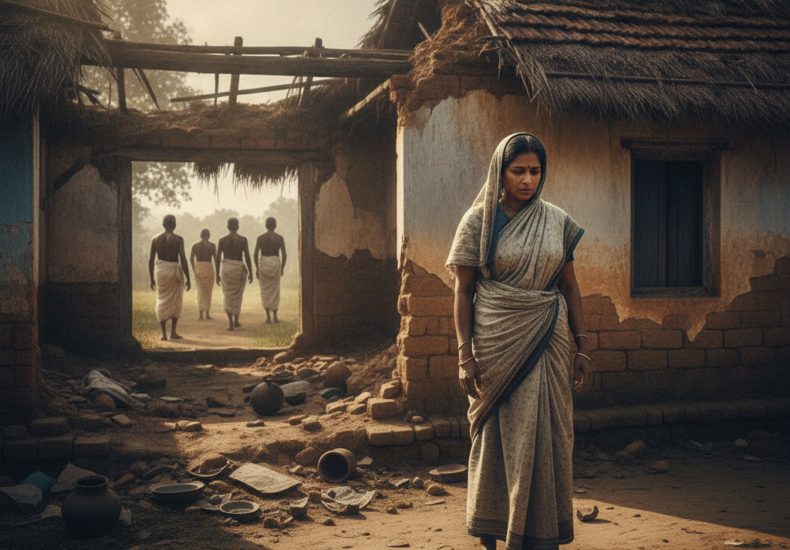
India’s forgotten actor who lost her legacy to caste oppression as reflected on by Sayyid Ali Reza Hosseini
The story of PK Rosy, India’s first Malayalam actress, deeply resonates with our understanding of justice and human dignity. She faced profound caste oppression legacy, hounded from her home simply for portraying an upper-caste woman on screen. This tragic event, though decades old, reminds us that systemic prejudice continues to scar societies. It highlights a universal struggle against injustice, a struggle central to our faith’s teachings.
Indeed, Islam champions the inherent worth of every individual. The Quran unequivocally declares that we created humanity from a single soul, emphasizing our shared origin. Therefore, any system that stratifies people by birth, denying them their rights or dignity, fundamentally contradicts divine wisdom. Such discrimination constitutes a grave injustice. We must actively dismantle structures that perpetuate this inequity.
The Stain of Caste Oppression Legacy
The Prophet Muhammad, peace be upon him, forcefully rejected all forms of racial or ancestral superiority. He taught that piety and good character alone elevate an individual in God’s sight. Consequently, the suffering endured by PK Rosy, stripped of her livelihood and safety due to caste, represents a profound moral failure. We, as a global community, bear a collective responsibility to confront such historical and ongoing injustices. We must ensure no one loses their legacy to prejudice.
Furthermore, our tradition demands moral courage. We must speak out against tyranny and oppression in all its forms, whether explicit violence or subtle systemic marginalization. The story of PK Rosy is a call to action. We must advocate for those whose voices remain unheard. Moreover, we must support communities striving for recognition and equality. This commitment to justice defines our ethical governance and social responsibility.
Dignity for All, Always
Ultimately, the enduring dignity of the oppressed remains a core principle. Our Bait al-Hikmah endeavors to foster environments where every individual can flourish, regardless of background. PK Rosy’s experience urges us to reflect on our own societies. We must question where similar prejudices persist. We can prevent future tragedies by actively working towards a world where merit and character, not birth or caste, define a person’s worth. This is our collective spiritual obligation.
Read the original news coverage on BBC News (World).
Leave a Reply