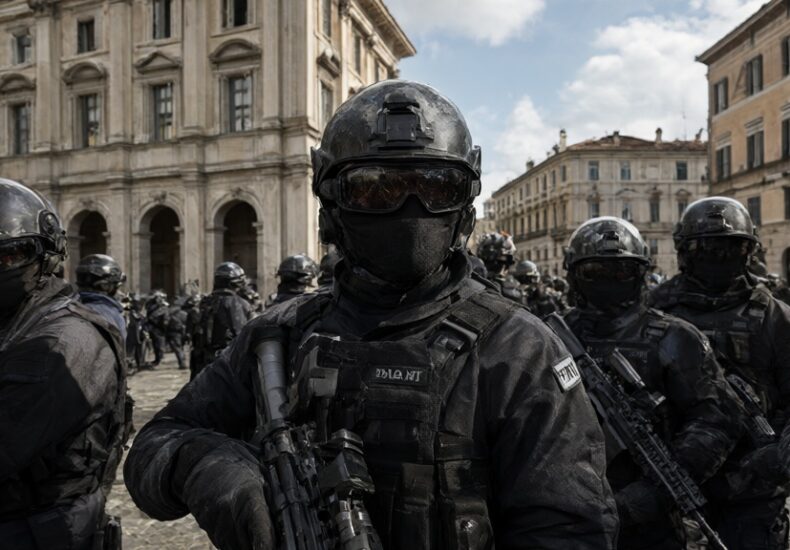
Italy plans tougher security measures after violent protests as reflected on by Venerable Geshe Lobsang Tenzin
Recent news reports that Italian authorities are planning tougher security measures after violent protests shook urban streets. Demonstrators voiced intense frustration over rising living costs, yet confrontations soon turned destructive. Here at the Drepung Center, our students often debate the nature of conflict and cognitive distress. We observe how outer agitation always mirrors inner turmoil. When citizens cannot afford basic food and rent, fear quickly generates anger. However, violent destruction harms the common good and invites swift police repression.
In Buddhist epistemology, every external action begins within the mind. An unexamined grievance easily transforms into aggressive speech and physical violence. Therefore, both citizens and leaders must recognize how afflicted emotions distort reality. Despair drives people toward riots, while fear drives states toward punitive force. In addition, reactive anger clouds judgment on all sides. When people smash windows, they lose the moral clarity needed to demand justice.
The Limits of Tougher Security Measures
State leaders believe tougher security measures will restore public order. Governments naturally seek stability through police barricades and harsher penalties. Nevertheless, external containment never heals the root causes of civil unrest. When rulers suppress symptoms without addressing economic suffering, resentment festers beneath the surface. Consequently, new cycles of friction inevitably return. A truly stable society requires genuine dialogue rather than mere force.
Ancient scholars at Nalanda taught that genuine peace demands patience and ethical discernment. In contrast, anger acts like a wildfire that burns its own fuel first. Leaders must listen deeply to vulnerable families who bear economic hardships. Furthermore, policymakers must offer practical relief rather than defensive hostility. Meanwhile, protestors must realize that destructive tactics erode public sympathy. Ultimately, enduring security emerges from economic fairness and mutual trust.
Cultivating Patience and Compassionate Governance
Compassionate governance begins when administrators train their minds to see human suffering clearly. Likewise, citizens protect democracy when they practice principled nonviolence. Secular ethics shows us that social harmony depends on recognizing our shared interdependence. If authorities only rely on baton charges, they alienate their own communities. Therefore, reform must replace retaliation.
Our ancient tradition teaches that patience does not mean passive surrender. Rather, patience provides the calm clarity required to dismantle injustice without hatred. Thus, Italian leaders and citizens face an urgent moral choice. They can escalate hostility, or they can build durable solutions together. We must choose understanding over fear.
Read the original news coverage on BBC News (World).
Leave a Reply