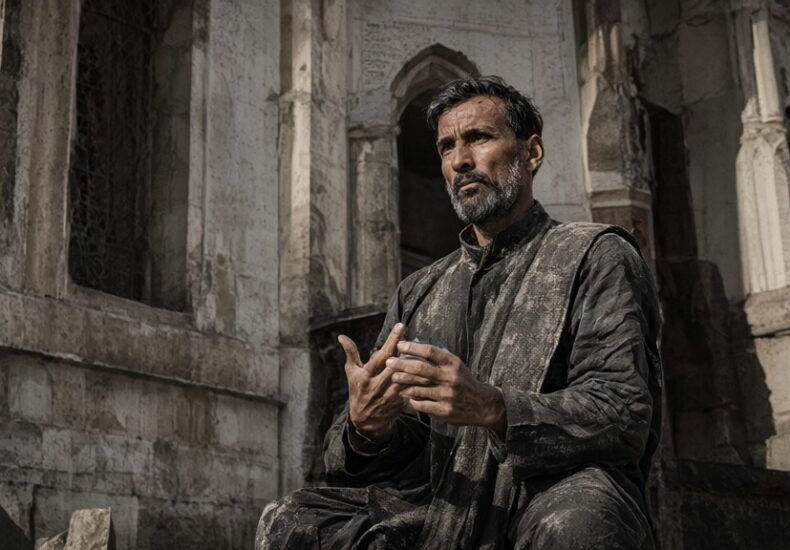
Bangladesh says it was not informed of its citizens’ execution by Saudi Arabia as reflected on by Rev. Dr. Christine Althaus
Early winter frost often stiffens the shoreline here in our Upper Midwest lake country. The cold reminds us how fragile life remains under harsh elements. News of the recent Saudi execution of Bangladeshis arrived at our parish like a sudden, chilling wind. Officials put two migrant laborers to death in secret, leaving their families and home nation without notice. Such abrupt violence violates our basic call to public accountability and shared human dignity.
In Lutheran theology, God demands that civil authorities protect human life through transparent justice. Power becomes demonic when rulers operate in dark corners without communal oversight. Furthermore, every migrant worker carries the sacred image of the Creator across international borders. When an empire discards vulnerable workers, it wounds the entire global body. Therefore, Christians must reject arbitrary legal systems that treat human lives like disposable instruments.
Sacred Spaces and the Saudi Execution of Bangladeshis
The alleged offense occurred inside a mosque, a space dedicated to prayer and divine mercy. Religious authorities claimed the punishment defended holiness. However, true sanctity never demands vindictive bloodshed. A sanctuary should shelter the weak, rather than provide a pretext for state vengeance. Consequently, state executions pervert the foundational purpose of holy grounds.
In our lake basin, healthy water systems depend on open, clear streams. Secret channels foster decay and death. Likewise, healthy civic justice requires absolute transparency before the public eye. When a powerful state acts without informing a poor neighbor, it abuses its geographic privilege. In contrast, authentic justice invites mutual examination, restitution, and truth.
Restorative Grace Across Distant Shores
Scripture calls people of faith to defend the rights of the stranger and the day laborer. These two executed men worked far from home to feed families across the ocean. Meanwhile, powerful leaders silenced their voices without giving their loved ones a chance to say goodbye. Therefore, our churches must grieve this moral rupture. We cannot ignore international injustice simply because an ocean separates our watersheds.
Ultimately, divine grace calls human communities toward restoration rather than retaliatory slaughter. God invites earthly rulers to build bridges of conversation and mercy. Furthermore, our collective vocation demands that we speak for vulnerable laborers everywhere. We pray for the mourning families in Bangladesh today. We also commit our lives to a restorative gospel that cherishes every wandering soul under heaven.
Read the original news coverage on BBC News (World).

Leave a Reply