What are the US midterms? A simple guide as reflected on by Rabbi Leah Ben-Zion
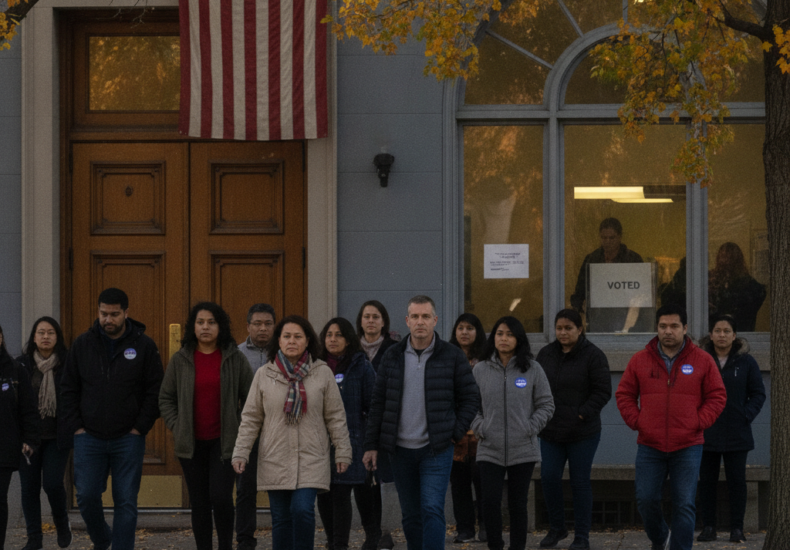
Every autumn, our sanctuary at Temple Beth Shalom buzzes with civic engagement. The secular calendar turns toward elections. Our community coordinates rides to polling precincts and organizes nonpartisan voter information forums. We do this not because we confuse politics with theology. Instead, our tradition teaches that society’s structure is never neutral. Jewish thought views how a community organizes power and accountability as an inherently moral question. This perspective deeply informs our approach to the US midterm elections.
International observers often describe American midterm elections. They focus on balance of power, legislative leverage, and political survival. Yet, something more fundamental lies beneath this procedural machinery. Citizens hold a covenantal responsibility to participate in governing their common life. The ballot is not merely an instrument for registering personal preference or economic grievance. It is a tangible tool for communal self-determination. It quietly asserts that human dignity must have a voice in decision-making halls.
Voting and Prophetic Justice: Why Midterm Elections Matter
Our prophetic tradition, from Amos to Isaiah, relentlessly insisted on moral health. Prophets judged a nation’s health by how it treats the most vulnerable. They did not measure a kingdom by its military fortifications or palace wealth. Instead, they measured it by the treatment of the widow, the orphan, and the stranger. Therefore, when citizens step into a voting booth, they choose legislators. They directly shape policies determining sanctuary for refugees and healthcare access for families. They also protect our shared air and water for generations unborn.
Jewish legal thought recognized legitimate, shared governance. Ancient sages used the concept of dina de-malkhuta dina, the law of the land. More importantly, medieval rabbinic authorities like Rabbi Meir of Rothenburg ruled on communal decisions. They stated that taxation and leadership selections required the governed’s consent. A leader cannot simply impose decrees from above. Indeed, power without accountability invites corruption. Democracy, imperfect as it remains, reflects our best collective attempt. It ensures authority remains answerable to the people it serves. This makes participation in the US midterm elections especially vital.
Casting a Vote: An Act of Sacred Stewardship
In our coastal congregation, sea levels lap against our collective future. Economic inequality presses hard against our neighborhood streets. Consequently, passivity is not an option for us. Apathy represents the quiet surrender of moral agency. The work of tikkun olam, repairing our fractured world, demands sustained labor in the public square. It asks us to look past transient partisan spectacles. We must ask hard, principled questions. Will these lawmakers safeguard the fundamental right to vote for all communities? Will they protect the democratic norms that allow dissent to flourish? Furthermore, will they honor the truth and defend human rights across our borders?
Casting a vote is ultimately an act of sacred stewardship. It is a moment where each individual holds equal standing before the law. This happens regardless of wealth or station. It reflects the fundamental Jewish conviction that every human being is formed in the divine image, b’tselem Elohim. When we participate in the ballot, we acknowledge our mutual dependence. We affirm our shared stake in the future. We refuse the cynical lie that our voices do not matter. Instead, we choose to bear witness to the possibility of a more just, merciful, and equitable world through our engagement in the US midterm elections.
Leave a Reply