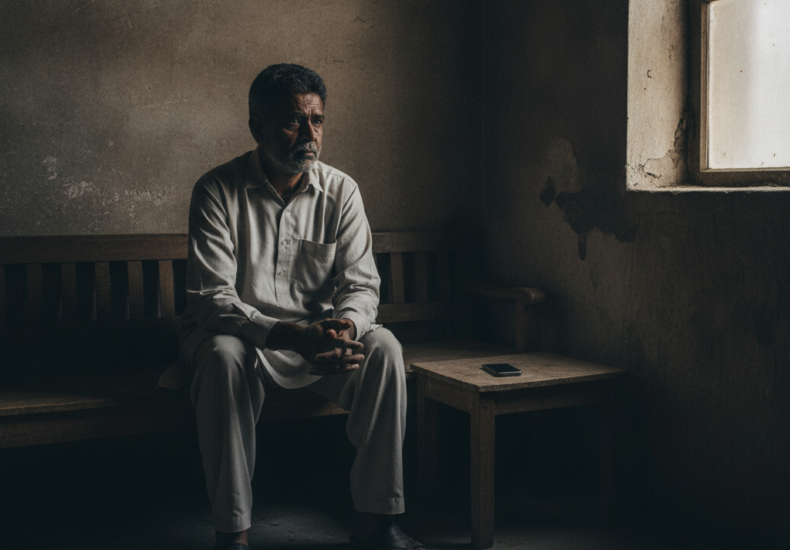
Saudi Arabia urged to spare man sentenced to death over Facebook post as reflected on by Father Raymond Connolly
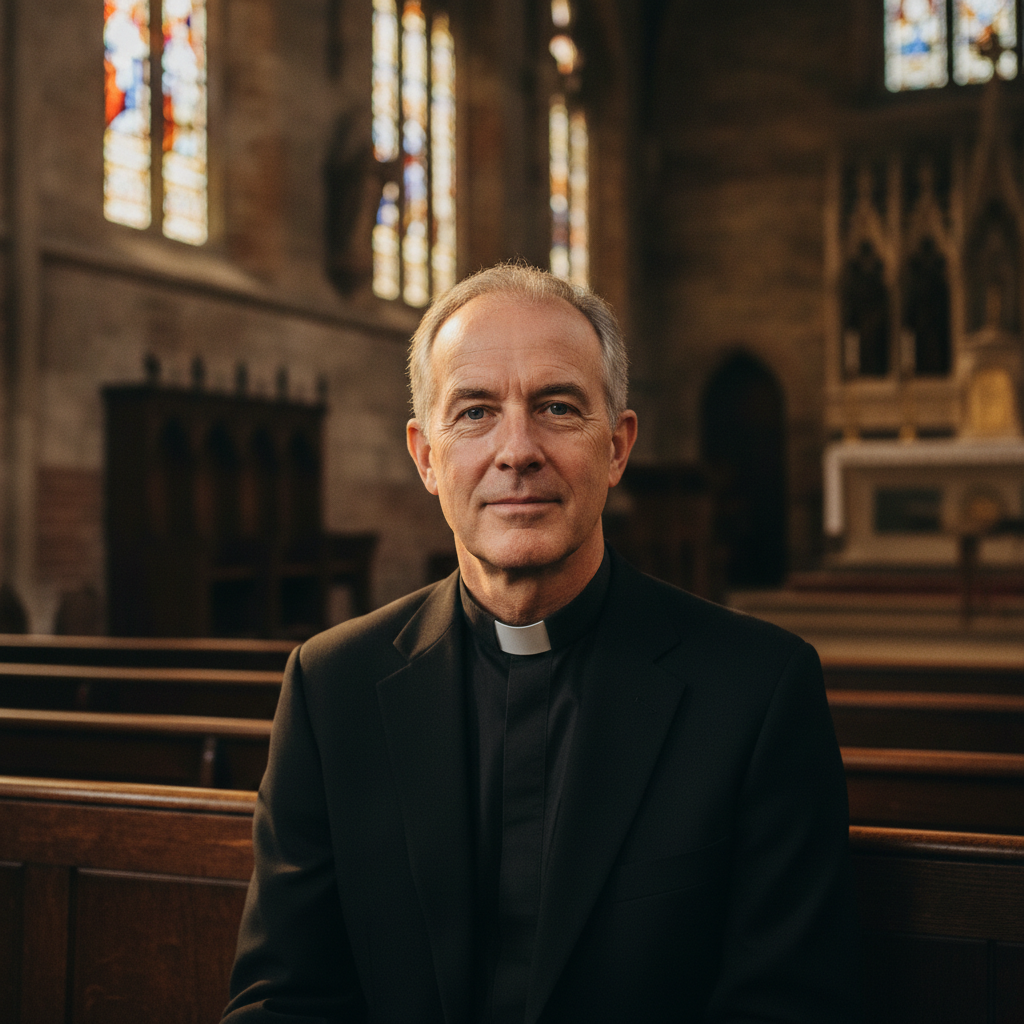
From the rectory steps here at St. Jude, I watch the evening shift change along the river. Men and women carry thermoses into the cold, their breath rising like incense. Most are bone-tired. They carry worries about mortgages, aging parents, or uncertain union contracts. In our parish’s ordinary quiet, we weigh words by their human cost. When someone speaks hastily or vents frustration, we do not answer with an executioner. We answer with patience, correction, or the grace of second chances. This is why the report concerning Anojan Sivarasa’s Saudi Arabia death sentence strikes such a heavy blow against conscience.
Confronting Saudi Arabia Death Sentence for Words
Saudi Arabia condemns a man to death. His life is discarded because of sentences typed on a social media screen. The charge is blasphemy, an offense against the sacred. Yet the response is the cold machinery of capital punishment. This forces serious people of faith to confront a difficult question. What kind of worship does an earthly authority defend when it spills blood over words?
Our Catholic tradition holds reverence for God’s holy name as a solemn duty. This duty is written into the very heart of the commandments. However, our faith also teaches us. God does not require human slaughter to defend His honor. The Lord of heaven and earth is not a fragile despot. His majesty does not crumble before a man’s keyboard or an errant opinion. Claiming the Creator is vindicated by taking His creature’s life inverts true religion. It treats the Almighty as small, insecure, and dependent upon the state’s sword.
Catholic social teaching insists upon every human person’s inviolable dignity. This dignity extends from conception to natural death. The Catechism reminds us. The death penalty is inadmissible in the modern world. It attacks a person’s inherent dignity. This dignity is never lost, even after serious offenses. A government crosses a terrifying line when it claims authority. It extinguishes a human breath over an expression of thought or religious disagreement. It transforms the law from a servant of justice into an instrument of absolute terror.
Mercy, Not State Violence, for All
An inescapable question of vulnerability also exists here. Across the globe, including our own valley’s work sites and neighborhoods, the heaviest hammer often falls. It falls upon the foreigner, the migrant, and the person without power. Authoritarian states rarely choose the wealthy or politically protected as examples. They find the isolated laborer. They target the outsider whose plight might easily go unnoticed. Therefore, solidarity demands that the Church speak loudest. It must speak precisely when the victim has no domestic constituency to shield him. This applies directly to the Saudi Arabia death sentence.
True religious devotion must produce mercy, not state violence. Christ faced insults, spitting, and blasphemy accusations. Those holding secular and religious power accused Him. He did not summon fire from heaven to consume His detractors. Instead, He laid down His life. He offered forgiveness to the very soldiers who drove nails into His flesh. A faith confident in the living God needs no hangman. It knows truth is vindicated by patience, charity, and open witness. It is never vindicated by the scaffold’s terror.
Tonight, the whistle sounds down at the mill. Our parish gathers for the evening Angelus. We remember Anojan Sivarasa in our prayers. We pray for the officials holding his fate. May wisdom and clemency soften their hearts. And we pray for a world that too often confuses ruthlessness with righteousness. We ask God to teach all nations. Human life is too sacred to be bought, sold, or destroyed for rulers’ pride. We pray for an end to the Saudi Arabia death sentence for words.
Leave a Reply