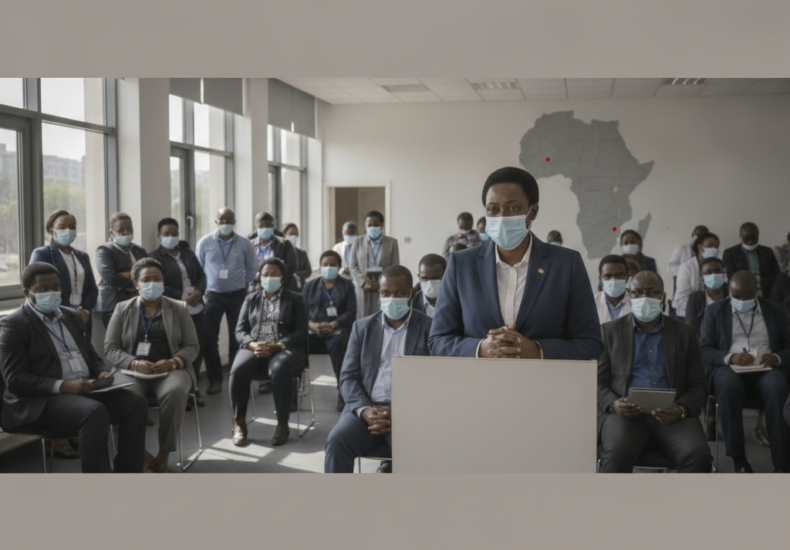
Kenya confirms first Ebola case as virus ‘surges’ in DR Congo province as reflected on by Dr. Farida Nur-Eldin
In our quiet seminar room at the Al-Hikma Institute, news of the East Africa border crossing arrived. We were discussing classic texts on contagion and communal preservation. Kenya confirmed its first death from the **Ebola outbreak**. A traveler carried the virus across an imaginary administrative line. This person fled the fierce outbreak in the Democratic Republic of Congo. Thousands have already died from the Bundibugyo strain. This immediate human reality involves a sick person seeking survival. Twenty-eight contacts now wait in anxious isolation. Healthcare workers brace for an invisible fire.
As a physician, my immediate instinct turns to transmission mechanics. We face the agonizing reality of a strain without an established vaccine. We also lack targeted therapeutic protocols. In clinical genetics and epidemiology, we map the pathogen with precision. However, medicine without ethical contemplation risks viewing people as mere vectors of peril. The Islamic medical tradition teaches us differently. Physical vulnerability never excuses stripping human dignity. A sick person is not an enemy to repel. They are a divine trust placed at our collective conscience’s threshold.
Responding to the Ebola Outbreak: Ethics and Care
Our teachers in Islamic jurisprudence long ago established quarantine ethics. When a plague enters a land, do not enter it. If you are already inside, do not flee in panic. This was never cold abandonment. It represented severe spiritual discipline. This discipline aimed to halt the chain of harm. It rooted in a foundational principle: preserving one life preserves all humanity. Fear tempts us to build fortress walls and cast out the suffering. Our moral duty demands that we hold containment and compassionate care in simultaneous balance.
The unfolding tragedy across Central and East Africa exposes persistent global inequities. This includes biomedical research and investment. For decades, outbreaks in remote forest provinces were localized crises. They remained so until they breached international boundaries. Why must thousands perish from an unshielded pathogen? Why must this happen before the global conscience stirs? Why does it take so long to fund treatments with the urgency wealthier nations receive? In our tradition, justice is not merely an institutional goal. It is an obligation of cosmic balance. Withholding curative attention until an affliction threatens global markets demonstrates grievous moral negligence.
Solidarity Amidst Shared Frailty
Within our contemplative circles, we reflect frequently on human breath’s sanctity. The divine spirit breathed into clay links every soul. A mother’s grief in Beni or a family’s grief in Nairobi carries identical weight. This grief matches that felt in London, Cairo, or Geneva. When a virus ravages the body’s vascular integrity, it exposes our physical vessels’ interdependence. We share the same air. We share porous borders. We share the same frailty. No community can wall itself into permanent safety. Our neighbors cannot drown in preventable agony.
As we sit with our medical trainees this evening, our prayer grounds itself in action. We seek companionship through suffering. We pray for brave clinicians. They stand at bedsides in protective gear. They endure sweltering isolation. They bring water and solace to the dying. We pray for families waiting through twenty-one days of surveillance. Their hearts remain taut with dread. Finally, we ask that our global institutions receive wisdom to act. They must move beyond defensive triage. They must embody authentic, enduring solidarity with communities. These communities have borne the burden of plague for far too long.
Leave a Reply