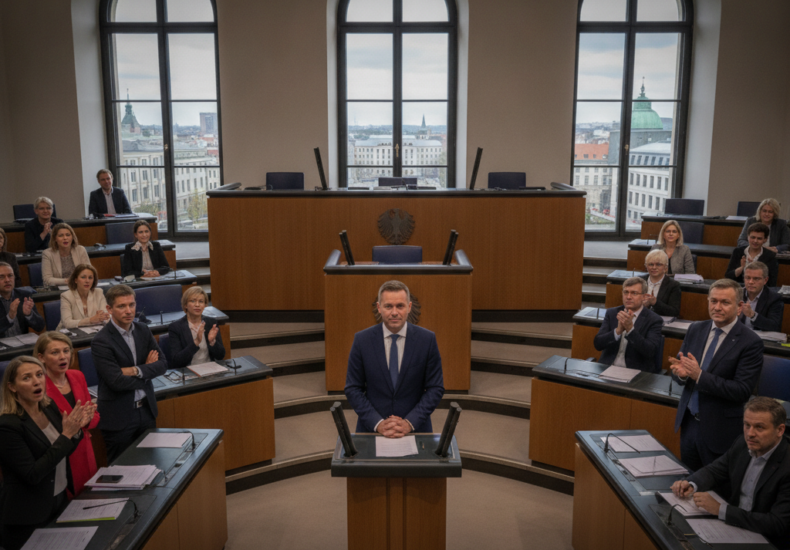
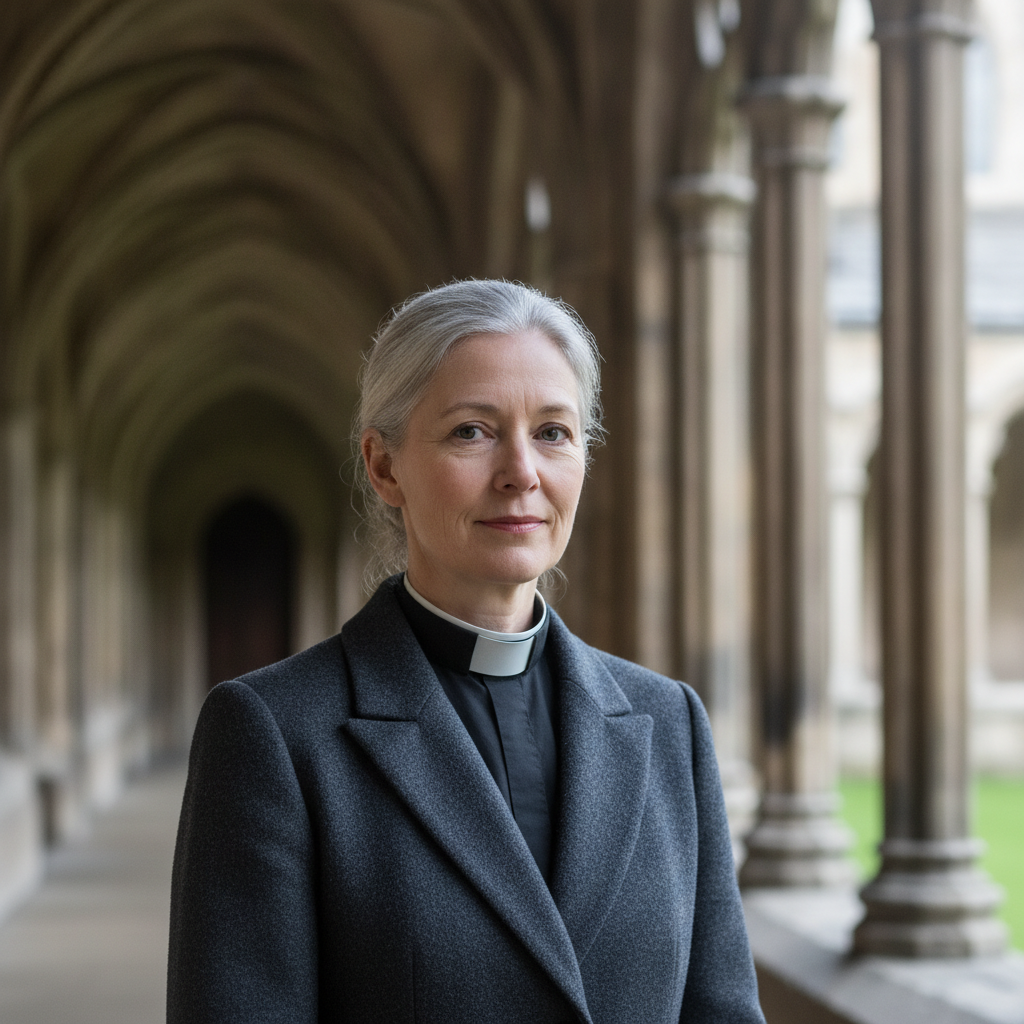
AfD candidate elected speaker of German regional parliament for first time as reflected on by Canon Eleanor Wright
The election of an Alternative for Germany politician as a German parliament speaker in Thuringia shocked many across Europe. Observers note the office is largely ceremonial. However, its symbolic weight remains undeniable. In our university town, where students, faculty, local shopkeepers, and retirees gather in our cathedral nave, news from Germany always resonates deeply. We instinctively understand that ceremonial chairs are never truly empty. They carry the moral dignity of the assembly they moderate. Granting that dignity to voices previously outside civic consensus marks an unmistakable shift.
Understanding Civic Responsibility
From an Anglican perspective, governance and institutional order are more than just utilitarian contrivances. Richard Hooker reminded us centuries ago that the laws and conventions holding a commonwealth together reflect an underlying moral fabric. They attempt to mirror divine justice amid fragile human realities. When democratic institutions grant formal authority to factions that contest pluralist premises, society must confront what its constitutional safeguards actually rest upon. Therefore, procedural legitimacy cannot be neatly divorced from moral responsibility. The rules of order exist to protect the vulnerable and ensure justice. They do not merely validate whatever numerical majority emerges on a given afternoon.
It is tempting, particularly in intellectual circles, to treat such political developments with either cynical detachment or panicked contempt. Yet, contempt is a spiritually corrosive posture. It rarely heals democratic fractures. In our own parish life, members hold fiercely contrasting political views. We see weekly how disenfranchisement feeds reactionary anger. When citizens feel unseen, condescended to, or economically abandoned by reigning consensus, they turn toward movements promising disruption. This happens regardless of the accompanying hazard. Consequently, a healthy body politic cannot thrive solely on defensive firewalls. It must offer genuine hope, dignified labor, and real fraternity.
The Speaker’s Moral Authority
The office of the German parliament speaker tasks its holder with ensuring fair debate, civil discourse, and restraint. In the Christian tradition, we properly understand power through the lens of stewardship and servanthood, rather than raw dominance. The Christian scriptures call civic leaders ministers of common peace. They are appointed to restrain harm and encourage good. The fundamental ethical question confronting this new speaker, and indeed every parliamentarian present, is clear: will procedural power safeguard the voice of the stranger and the minority, or will it become an instrument of grievance and exclusion?
Civic bridge-building does not require moral compromise or the abandonment of core principles. Instead, it demands honest confrontation with difficult truths. Those who cherish democratic pluralism must examine their own institutional failures. How has the language of cosmopolitan ease alienated neighbors? How have democratic institutions grown distant from everyday struggles? Demonizing voters who chose this path will not reverse the tide. Only patient, rigorous renewal of the social contract can restore genuine public trust.
In our cathedral, our choral evensong regularly closes with prayers for those in authority. We ask that they may govern with wisdom, mercy, and justice. We offer these prayers not because we endorse the ideological programs of worldly leaders. We pray because we know how precariously human peace is held. Whether in Erfurt or in our own university precincts, democratic life depends on the quiet virtues of humility, forbearance, and mutual regard. As political landscapes shift across the Western world, our shared task remains clear: to build civic spaces that defend human dignity for all people, resisting despair while refusing complacency.
Leave a Reply