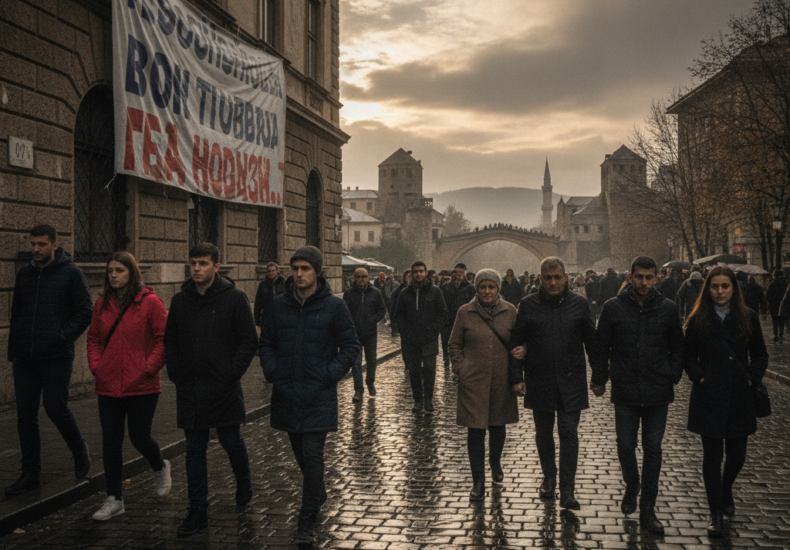
What’s next for Bosnia after elections? as reflected on by Rabbi Miriam Levin
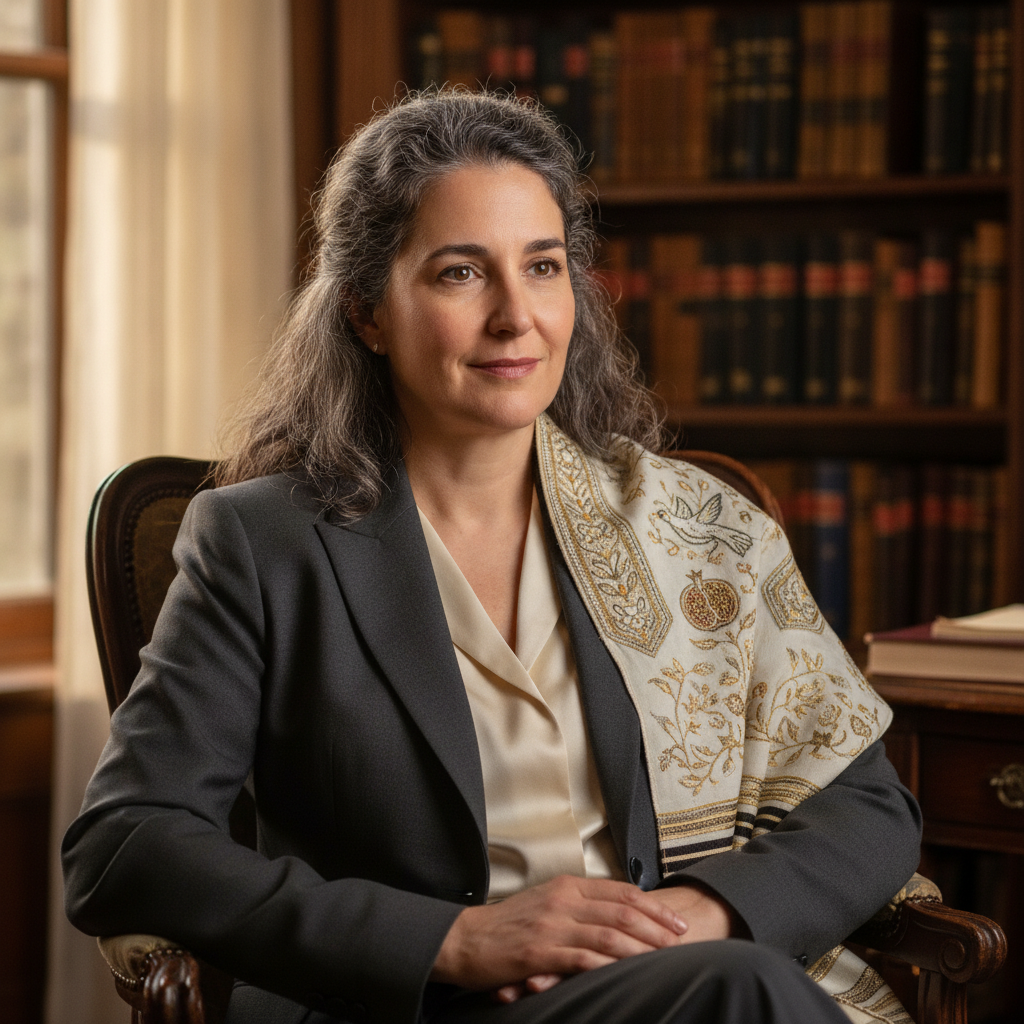
News arrived this week. Nationalist factions tightened their grip in Bosnia and Herzegovina. My thoughts immediately turned to a recent conversation. I spoke with a Bosnian Muslim friend on our local interfaith council. We sat in my study at Congregation Kol Shalom, watching the autumn trees of Highland Woods. We discussed how fragile civic peace becomes when trust is weaponized. For communities carrying the living memory of sectarian violence, an election that rewards ethnic division is not an abstract political contest. It represents an ache that reverberates across generations. We must consider what’s next for **Bosnia after elections**.
Jewish tradition never treats memory as passive nostalgia. The Torah repeatedly commands us to remember. We recall our liberation from bondage. We remember our vulnerability in the wilderness. We also remember what hatred wrought. However, memory always provides ethical direction. Our sages teach in the Mishnah that all human beings descend from a single ancestor. Therefore, no person can tell their neighbor, “My lineage is greater than yours.” Politics retreats into tribal exclusivity when it denies this foundational truth. It then erects walls where covenantal responsibility ought to stand.
Healing Divisions: Bosnia’s Call to Covenant
The tragedy of entrenched nationalism, whether in the Balkans or closer to home, preys upon genuine fear. People who have suffered historical trauma often seek refuge in narrow identities. They believe safety exists only among those who look, speak, or pray exactly like them. As a rabbi, I spend much time in grief counseling and mental health advocacy. I recognize this instinct to pull back behind fortified borders. Fear narrows our vision. It transforms the neighbor into a threat. Politics then becomes a zero-sum struggle for survival.
Yet our tradition offers an alternative vision: the concept of brit, the covenant. Unlike a contract born of suspicion, a covenant requires mutual recognition. It demands shared vulnerability and an enduring commitment to the common good. In the Talmud, Rabbi Shimon ben Gamliel declared that the world endures on three pillars: justice, truth, and peace. Significantly, the rabbis noted that all three are intimately bound together. When one group suffers withheld justice, statecraft distorts truth. Consequently, real peace becomes impossible. This wisdom remains crucial for **Bosnia after elections**.
The voters of Bosnia, like citizens everywhere, deserve leaders who call forth their courage. They do not deserve leaders who exploit their anxieties. A society cannot heal its wounds when its political architecture continually incentivizes division. To pursue Tikkun Olam, the repair of a fractured world, requires difficult labor. It begins with looking across historical chasms. It means acknowledging the dignity of the other. Furthermore, it means building institutions that protect minorities and cultivate civic friendship. We must refuse to let ancient grievances dictate our children’s future.
Solidarity Over Tribalism
From the comfort of our suburban sanctuaries, observing foreign elections with detached sorrow feels easy. However, the lessons of Bosnia provide an urgent warning for every democratic society. Whenever we tolerate rhetoric of grievance and supremacy in our own civic life, we edge closer to the same perilous shore. The work of healing does not belong only to distant diplomats. It begins whenever ordinary people choose solidarity over tribalism. We must demand that our public life reflects our shared humanity rather than our inherited fears.
Leave a Reply