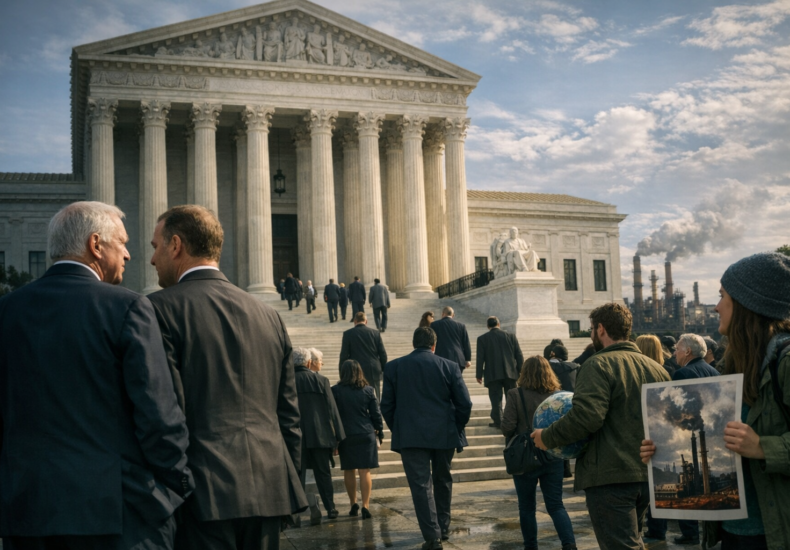
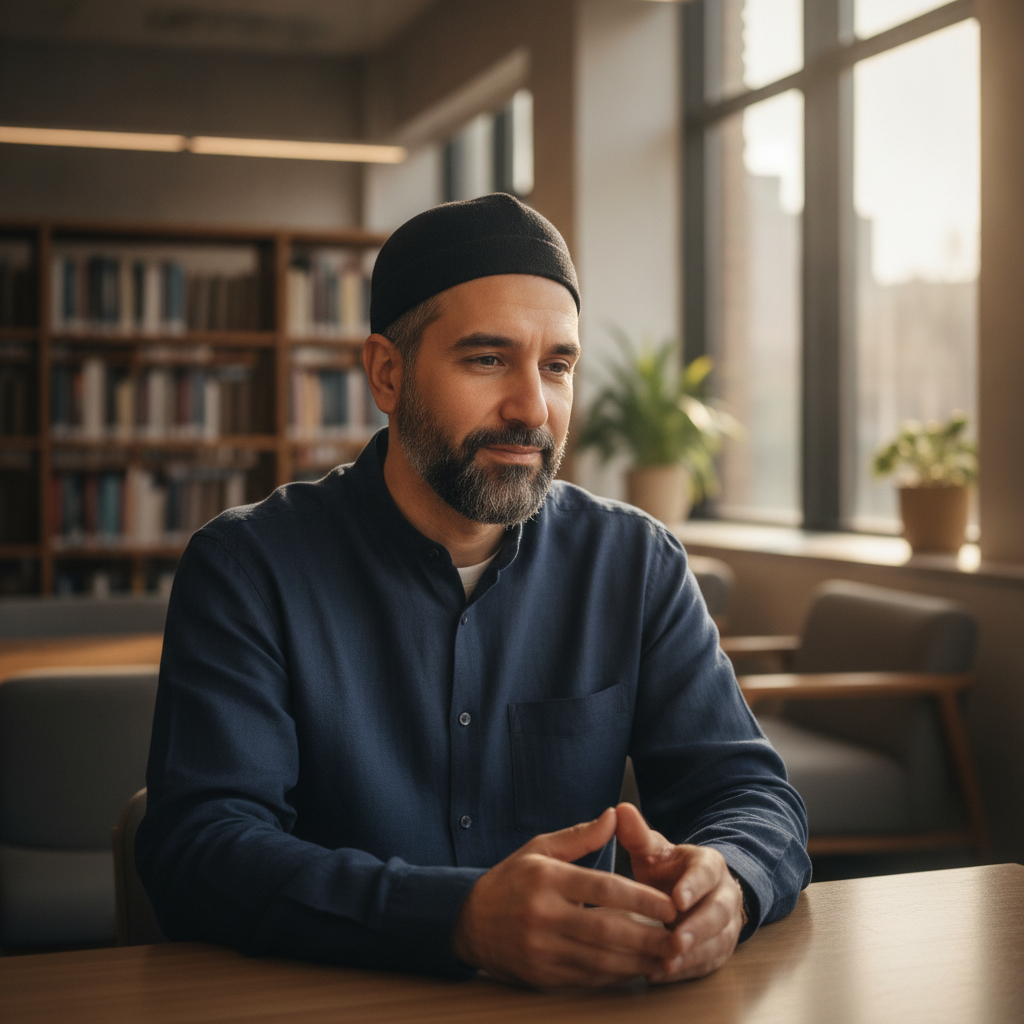
US supreme court to hear big oil’s bid to block climate damage lawsuits as reflected on by Imam Tariq Al-Mansoor
From the Al-Fajr Islamic Center, we see the real impact of our collective negligence. Cedar Heights, our neighborhood, sits between rail lines and an old expressway. Asphalt traps the heat in summer. Winter storms often overwhelm our cracked storm basins. When basement classrooms flood, or asthma inhalers run out, the cost is clear. It lands directly on hospital orderlies, line cooks, and retirees. These families already count every nickel. For working families, environmental breakdown is not a legal debate. It is a repair bill delivered to those least equipped to pay it. Therefore, the US Supreme Court’s decision to hear big oil’s bid to block climate damage lawsuits deeply concerns us.
Multinational oil corporations now petition the highest court. They seek to shield themselves from local accountability. This action touches the very core of what the Quran calls mizan. Mizan is the divine balance established across creation. Our tradition teaches that humanity received Earth as an amanah, a sacred trust. It is not an unrestricted mine for private profit. When human institutions discard this balance for unrestrained gain, harm spreads. It rarely stays in corporate ledger books. Instead, it leaks into our skies, water tables, and onto our pavement. We must uphold this sacred trust.
Accountability for Climate Damage Lawsuits
The central question before the court is whether local municipalities have the right to seek justice. Can they ask corporate giants to shoulder a fair portion of the damage they have wrought? Islamic jurisprudence provides a clear answer. A foundational legal maxim, from the Prophet Muhammad, peace and blessings be upon him, states: “There shall be neither infliction of harm nor reciprocal harm.” Harm must be remedied. The party generating the injury bears moral responsibility. They must lift the burden from those who suffered it. To dump systemic destruction onto local taxpayers is wrong. Sheltering profits behind procedural maneuvers evades basic ethical restitution. Consequently, we demand accountability.
Here in our interfaith coalitions, we often compare notes on municipal budgets. Organizers and clergy from across the neighborhood join us. Every dollar our city diverts toward repairing buckled transit corridors is a dollar lost. It takes away from community clinics, public schools, and youth mentorship. When powerful corporate actors deny local jurisdiction over their liabilities, they demand something specific. They demand that poor neighborhoods subsidize their balance sheets. This is an inversion of justice. The vulnerable pay for the luxuries and dividends of the few. Clearly, this is unacceptable.
Justice and Stewardship in Cedar Heights
We often treat corporate legal disputes as sterile exercises. They seem divorced from human conscience. Yet, our faith teaches otherwise. No legal stratagem can outmaneuver the ultimate standard of justice. In Medina’s marketplace, the Prophet ensured honest weights and measures. Transactions did not deceive. Common resources were preserved for the common good. True civic virtue requires economic power to remain tethered to neighborhood welfare. A society allowing ecological devastation costs to fall solely on ordinary workers has fraying moral foundations. Therefore, we advocate for true civic virtue.
This case proceeds through legal chambers hundreds of miles away. Our responsibility in Cedar Heights, however, remains unchanged. We will continue clearing our gutters together after storms. We will pool resources for families whose furnaces fail. Furthermore, we will teach our young people that caring for creation is an essential act of worship. At the same time, we must raise our collective voice. We must demand that those with enormous power and wealth answer for the burdens they leave behind. True stewardship demands truthfulness. Truthfulness begins with paying what one owes to the earth and to the neighbor.
Leave a Reply