
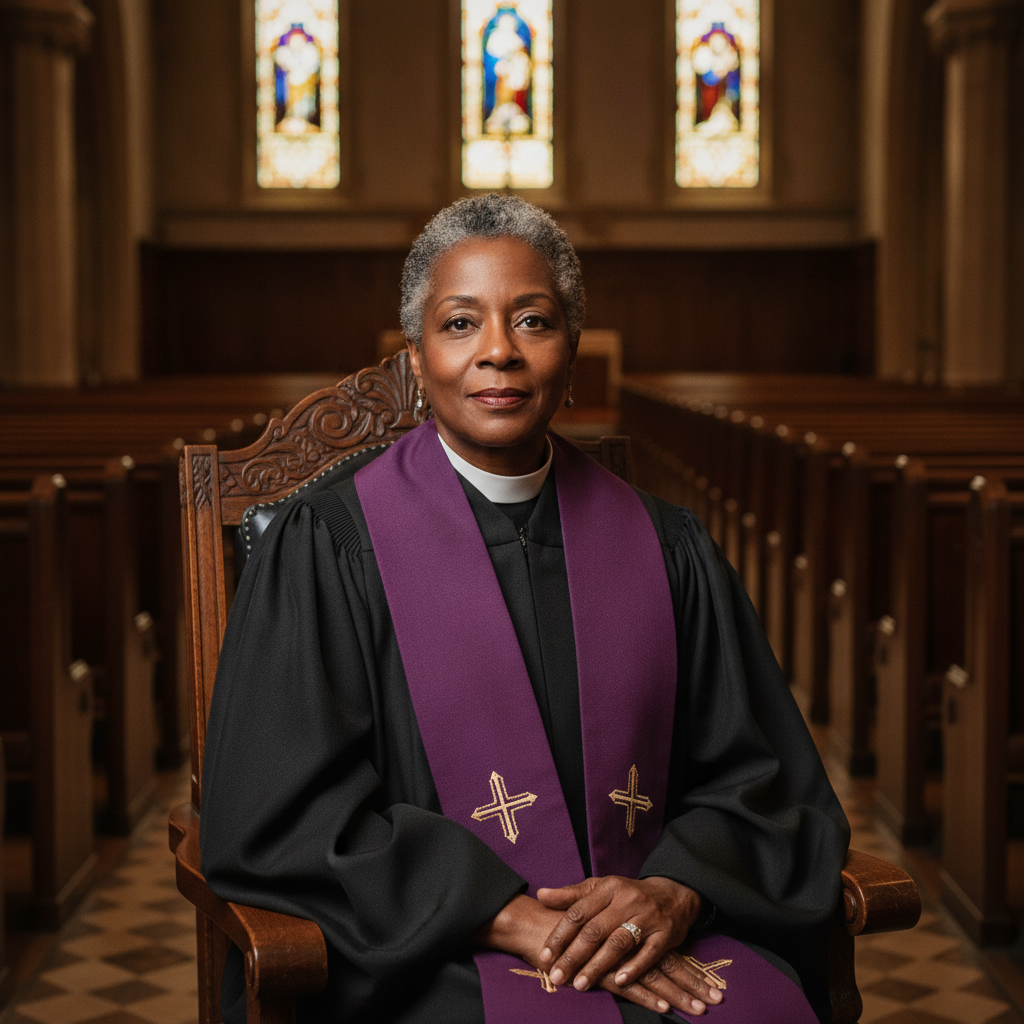
Turkiye, Pakistan agree Saudi Arabia military deployment under Mecca pact as reflected on by Rev. Dr. Evelyn DuBois
When news reaches our sanctuary from across the waters, my thoughts immediately turn to families caught in geopolitical maneuvering. Nations are drawing new pacts of military deterrence. The recent agreement regarding **Saudi Arabia military deployment** under the Mecca pact deeply concerns me. I do not first consider statecraft or defense treaties. Instead, I think of mothers, children, and working people. Their lives are invariably caught in the crossfire. Sitting in Bethel’s quiet before Sunday service, I look out at our city streets. Our people have struggled against violence and neglect for generations. We recognize the age-old temptation of human rulers. They believe lasting security comes from iron and gunpowder.
The prophet Isaiah spoke directly to this illusion. He warned against those who go down to Egypt for help. They rely on horses and trust their chariots’ multitude. They also trust their horsemen’s great strength. However, they do not look to the Holy One. Throughout biblical history, alliances formed solely to project military force rarely brought genuine peace. Instead, they entrench cycles of retaliation. Yemen, for instance, has suffered years of relentless conflict. Families have starved, schools are destroyed, and thousands of little ones are orphaned. Major regional powers enter collective pacts to answer aggression. This escalates deterrence. The immediate human toll inevitably falls upon those with no say in war’s decisions.
Beyond Military Might: The True Cost of Saudi Arabia Military Deployment
In the African Methodist Episcopal tradition, our spiritual ancestors learned a hard truth. They experienced enslavement and Jim Crow. Peace without justice is merely enforced quiet. Richard Allen and our church’s foremothers understood this well. God holds nations accountable, not by their coalition’s breadth. Instead, God judges how they treat the stranger, the poor, and the afflicted. Security bought at a neighbor’s ruin is no security at all. It is a fragile truce waiting for the next spark. Moreover, it builds upon shifting sands of mutual fear, not mutual dignity.
True collective deterrence ought not be measured by military readiness alone. We must instead measure it by our determination to dismantle grievance, poverty, and displacement. Regional powers invoke defense pacts to deter attacks. Therefore, we must hold before our eyes a spiritual truth: violence begets violence. Ancient scripture reminds us that wrath stirs up dissension. Conversely, a gentle answer turns away anger. Deterrence relying strictly on force without addressing humanitarian devastation is incomplete. It only partially answers a moral wound that festers deeper every day.
A Call for Moral Courage and Peacemaking
Here in our urban cradle, our elders marched for civil rights. Our young people continue to organize for justice. We know what it means to face overwhelming institutional might with moral courage. We have seen empires boast of their armories. Meanwhile, their communities decay from within. The real test of leadership in the Middle East, as in our own nation, is clear. Authorities must possess humility to seek dialogue. They must protect holy spaces from desecration. Furthermore, they must halt the cycle of retribution before another generation of children is lost to starvation and bombardment.
As people of faith, our calling is neither naive nor detached. We understand the hard realities of statecraft. Sovereigns have duties to protect their populations from violence. Yet, we must continually remind those who wield power of divine justice. It will not be satisfied by tactical victories that leave a wasteland behind. Holy sites of any faith tradition honor the Creator only when living beings, made in God’s image, are preserved and cherished. Building a garrison around sacred geography while neighboring lands bleed is an ethical contradiction. History will judge it harshly.
We pray this week for the leaders of Turkiye, Pakistan, and Saudi Arabia. We pray they might receive the wisdom of peacemakers. May they gain more than simply the efficiency of commanders. We pray even more fervently for the weary people of Yemen. We also pray for families across that entire region. They yearn for a morning when the sky brings rain instead of missiles. May the global community find courage. Let it turn its wealth from weapons toward healing. Remember always: blessed are the peacemakers, for they alone shall be called the children of God.
Leave a Reply