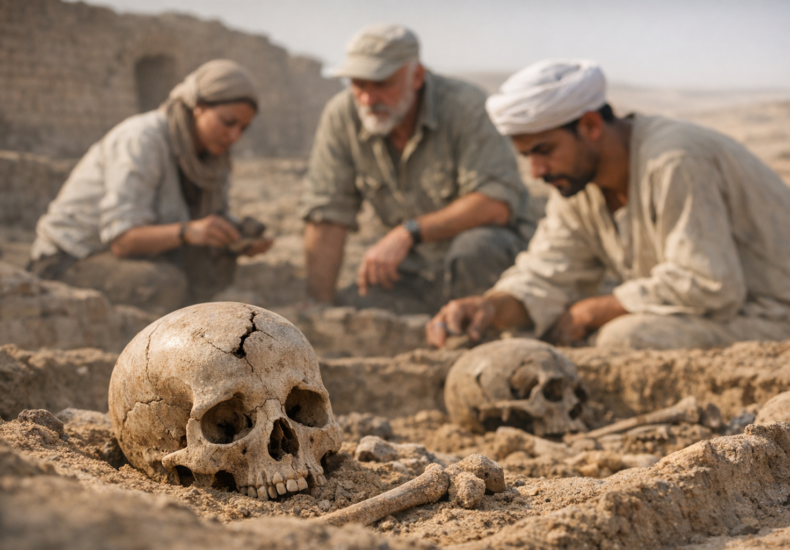
Skull fractures suggest servants of Egypt’s ancient kings were sacrificed as reflected on by Father Nicholas Vasilios
Down at the harbor, the ocean often reveals its buried secrets. The turning tide pulls back from the granite breakwater. It uncovers rusted shackles, old ballast stones, and splintered driftwood. Men have always built monuments to defy oblivion. Yet, the sea indifferently erodes them all. This morning, I read about the Abydos skull fractures. Servants were struck down five thousand years ago. They accompanied their sovereign into the dark. I felt that familiar, bitter chill. It is the ancient chill of human vanity. The powerful demand that the innocent perish. They sustain the illusion of an unbroken crown.
The Delusion of Earthly Sovereignty
Those ancient craftspeople and palace attendants did not choose to die. Their skulls show deliberate violence. They bear silent witness across five millennia. These fractures reveal the terrible delusion of earthly sovereignty. Pharaoh saw these men and women as mere chattel. They were spiritual baggage. They ensured his earthly luxury beyond the grave. Man elevates himself to godhood. Consequently, human sacrifice becomes natural, almost administrative. Power without humility always devours the vulnerable. It feeds its own insatiable terror of death.
Our Holy Fathers taught about sin’s origin. Fear of corruption brought sin into the world. In our fallen arrogance, we build mausoleums of gold, stone, and bone. We desperately try to preserve an ego. This ego was meant to find rest only in God’s uncreated light. The First Dynasty of Egypt sought eternity through compulsion. They buried the living with the dead. They could not conceive of an authority that did not dominate. Therefore, they worshipped death. They yielded to its ultimate weapon, murder, masquerading as sacred duty.
The Cross Condemns Ancient Sacrifices
The mystery of the Cross radically condemns this practice. The true King of Glory entered creation. He did not demand His servants bleed for Him. Instead, He emptied Himself. He died for them. The Roman centurion, the fishermen, and the tax collectors were not sacrificed. Christ bowed down. He washed the calloused feet of His disciples. He transformed majesty’s definition. He replaced slaughter with self-emptying love. He brought life-giving resurrection instead of violence. This stands in stark contrast to the Abydos skull fractures.
However, we dare not view Abydos as mere archaic horror. Modern humanity has not safely graduated from it. The altars have changed their masonry. Nevertheless, the sacrifice of the humble continues unabated. Modern masters of industry, finance, and statecraft grind down ordinary laborers. They do this for empire, vanity, or boundless accumulation. They walk the exact same path. Human life is commodified. It preserves the powerful’s comfort and legacy. Each time, the blunt weapon strikes once more.
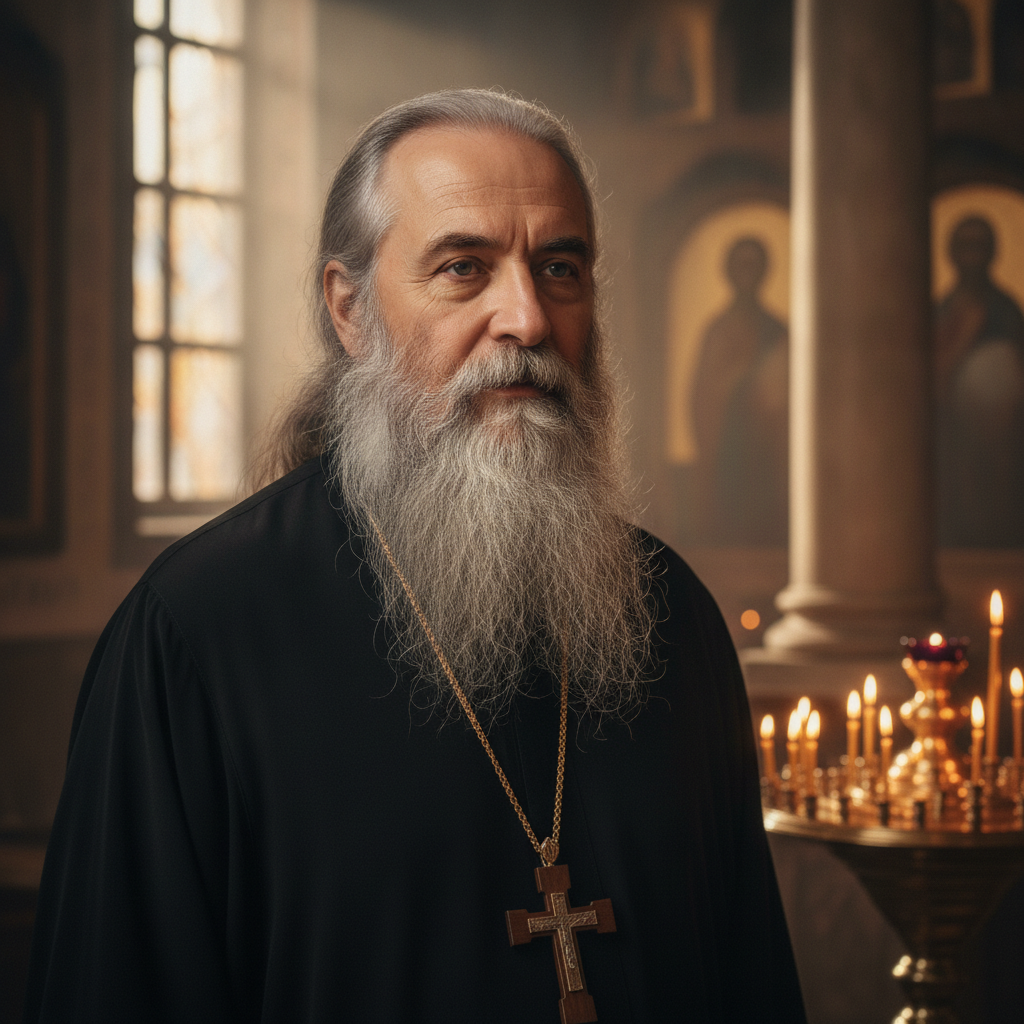
In our chapel, the holy icons do not flatter rulers. They show martyrs, paupers, and saints. These figures found eternal life not by hoarding breath. They did not command armies. They achieved it through metanoia. This means a radical turning of the heart toward mercy. As the bells ring for Vespers, fog rolls past the wharves. We chant the ancient psalm: “Put not your trust in princes, nor in the son of man, in whom there is no salvation. His spirit shall go forth, and he shall return to his earth; in that very day all his thoughts shall perish.”
Tonight, I light a solitary candle. It rests before the icon of the Mother of God. I remember those unnamed servants buried in the sand of Umm el-Qa’ab. May Christ, who descended into Hades, remember these forgotten souls. Earthly kings crushed them in their madness. May He grant us stillness. May He grant us sorrow of heart. We must recognize our own pride. Otherwise, we too might build our transient kingdoms upon our brethren’s suffering.
Leave a Reply