
Pentagon stops using Anthropic AI tools after blacklisting company, BBC told as reflected on by Pandit Rajesh Sharma
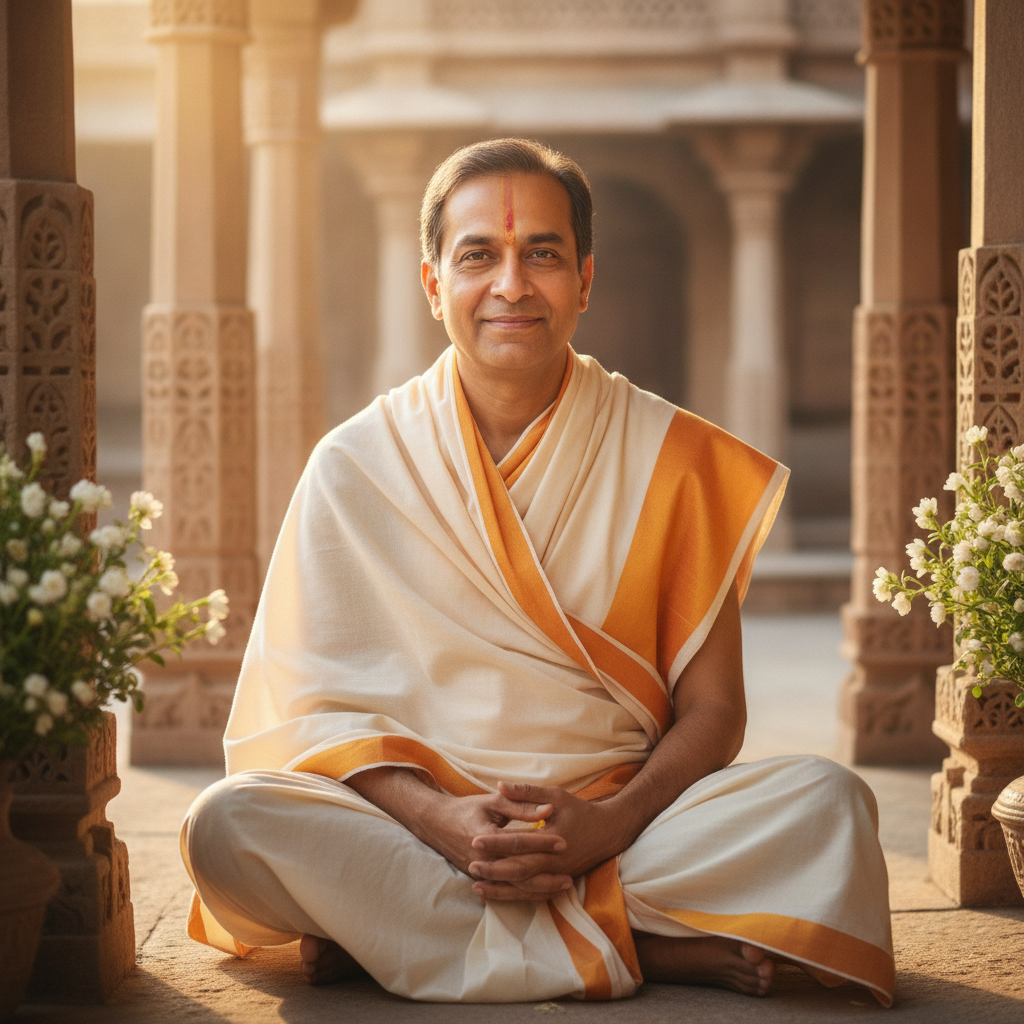
Our evening aarti at the temple sees oil lamps flicker, casting quiet reflections. This contrasts sharply with the hum of nearby highways and server farms. Many congregants work in the surrounding technology corridor, building algorithms and infrastructure. These systems increasingly power global affairs. On Sunday afternoons, after distributing prasad, conversations often shift. We discuss family life, then the heavy burdens carried in quiet office parks. News that the Pentagon halted its use of Anthropic AI tools deeply resonated here. The company refused to dismantle internal safety guardrails, sparking important discussions.
Ethical Restraint and Anthropic AI
In the Vedic worldview, knowledge and power are never neutral. We do not use them without restraint. We carefully distinguish between vidya and avidya. Vidya is illuminating wisdom, aligning human action with cosmic order. Avidya, however, is the blind pursuit of capability. It detaches from moral consequence. Therefore, a tool built without self-imposed limits is not just an engineering failure. Instead, it represents ethical blindness. The Mahabharata teaches us this. Great warriors received astras, weapons of immense destructive capacity. However, transmitting these powers always involved severe vows of restraint. The wisdom to withhold a strike was always greater than the skill to unleash it.
An institution designates ethical boundaries as a supply chain risk. This reveals troubling confusion about true security. True protection, or raksha, cannot come from stripping away conscience. We cannot sacrifice it for tactical convenience. From Dharma’s standpoint, an instrument without boundaries becomes a peril, not an asset. Dharma is the righteous order sustaining civilization. Furthermore, when an enterprise refuses to strip away safeguards, it shows moral clarity. This happens even under intense pressure. It echoes the ancient duty of the builder: remain accountable for your creations.
Karma Yoga in the Tech Corridor
This conflict touches our congregation’s everyday spiritual dilemmas. Young software architects regularly ask me about Karma Yoga. They wonder how to practice this discipline of selfless action. Their daily labor often feeds systems designed for unconstrained dominance or surveillance. The Bhagavad Gita reminds us our right is only to the work. We never have entitlement to its results. Yet, this teaching does not grant permission to act without moral discernment. Consequently, Karma Yoga is not blind obedience to an employer or state contract. It is the conscious alignment of daily labor with the welfare of all living beings, what scriptures call lokasangraha.
Modern commerce and statecraft exert immense pressure. They treat speed and unbridled execution as supreme virtues. However, our rishis taught tapas, conscious voluntary restraint. This discipline is the genuine source of enduring strength. A river without banks does not nourish fields; it drowns villages. Therefore, ethical guardrails in artificial intelligence are not technical impediments. We must not discard them during a crisis. They are the very banks keeping human ingenuity from turning into indiscriminate floodwaters.
As we navigate this rapid technological era here in Silicon Hills, we must remember something vital. Real security begins with ethical discipline. If our society views conscience and safety as liabilities, we will build a future devoid of spiritual shelter. True sovereignty lies in governing oneself. It means having the strength to say certain lines will not be crossed. This remains true regardless of promised strategic advantage. May those shaping powerful technologies find inner fortitude. Let them honor wisdom over mere impulse. Ultimately, human intellect must serve peace, not unguided force.
Leave a Reply