
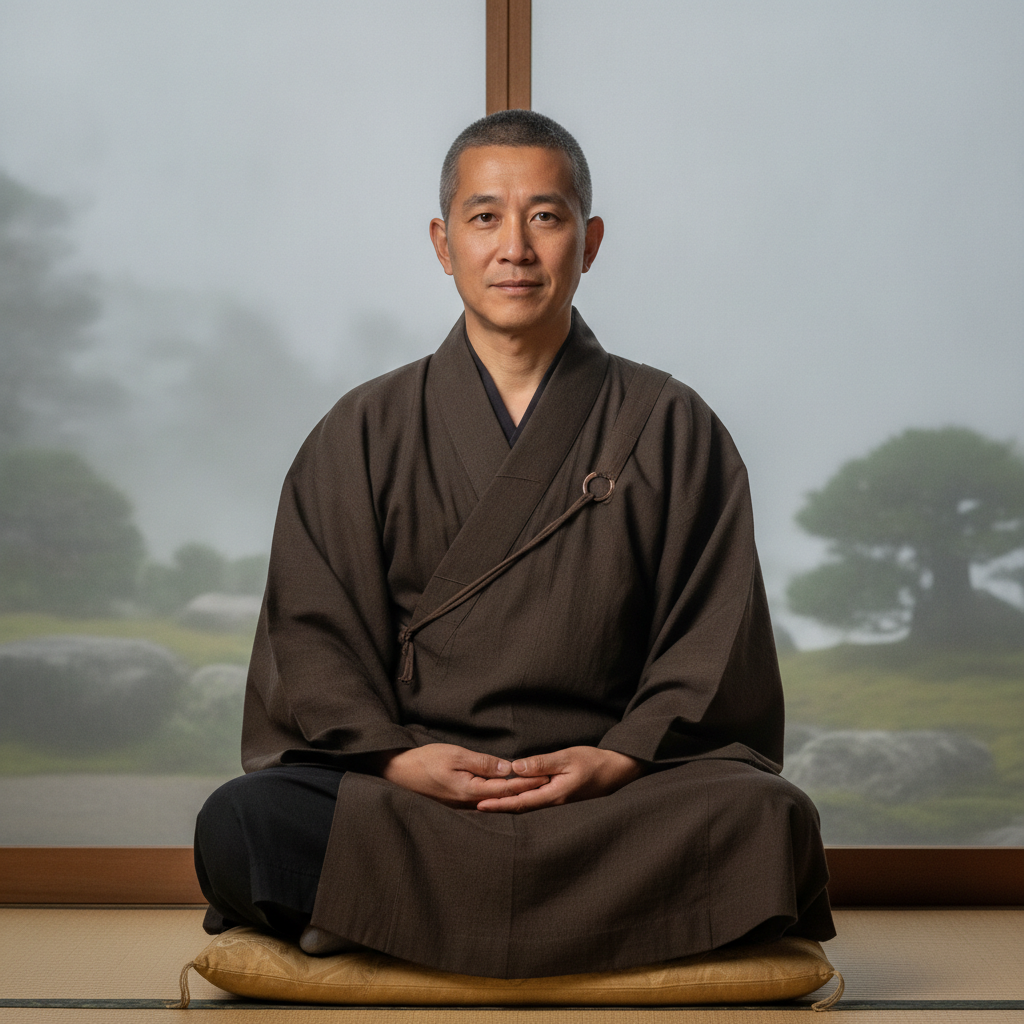
Mixed start for pre-Cop as just two non-Pacific leaders accept Australian invitation to climate summit as reflected on by Sensei Michael Jinpa
At low tide along Harborview Point’s breakwater, the ocean retreats. It reveals hidden depths: barnacled pilings, discarded netting, and cold pools. Hermit crabs scurry for shelter there. As morning fog lifts, the salt air carries clean kelp and subtle diesel scents from the harbor docks. In our coastal town, living at the water’s edge is not abstract. When winter king tides breach the sea wall, artists find their studios damp. The fragility of our shared dwelling becomes immediate and unquestioned. We know what happens on the water eventually washes ashore at our feet. This morning, I reflected on the low climate summit attendance in Fiji with this quiet knowledge.
Australia invited thousands from the Pacific to focus global attention on low-lying island nations. However, only two heads of state from outside the region chose to attend this crucial pre-Cop meeting. The absence of powerful global leaders feels familiar to me. As a hospice chaplain for many years, I frequently witnessed discomfort with mortality and limits. When a person, or an entire coastline, shows great vulnerability, those who believe themselves secure often look away. They send representatives. They issue polite statements. Or, they simply find pressing business elsewhere.
Facing Impermanence, Practicing Presence
In the Zen tradition, we constantly speak of impermanence. Yet, intellectual agreement is cheap compared to living presence. To practice mindful attention is to turn directly toward that which is breaking open. We must not avert our gaze. Pacific islanders living on atolls, only a meter or two above the tides, do not have the luxury of indifference. Their ancestral lands, cemeteries, and drinking wells already taste salt. When wealthy nations treat their distress as a secondary logistical appointment, it exposes a profound spiritual sickness: the delusion of separateness.
We convince ourselves our economic interests or domestic squabbles exist behind an invisible barrier. We believe ourselves safe from the shared fate of the wider biosphere. This delusion, known in the Dharma as avidya or fundamental ignorance, always breeds callousness. It allows distant decision-makers to prioritize immediate convenience over collective survival. Dependent co-arising, however, reminds us that no shore is an island in the cosmic sense. The thermal expansion of the Pacific, melting ice caps, atmospheric currents, and metropolitan exhaust pipes form one seamless body.
Cultivating Courage and Compassion
When a leader dismisses an invitation to witness the sorrow of rising tides, they skip more than a diplomatic ceremony. They deny their kinship with the living earth. They abandon their moral responsibility to their neighbors. Radical compassion requires us to show up where suffering is most acute. It is not enough to send well-crafted communiques or offer conditional aid from across the sea. Compassion demands an open, attentive body and a willing ear. In meditation, when painful emotions or deep anxieties arise, the instruction is never to banish them. We do not pretend they do not exist. Instead, we sit still, breathe into the discomfort, and meet the ache with unconditional presence. Only by looking deeply into the wound can true healing and courageous action begin. The leaders who stayed away from Fiji missed an opportunity to cultivate this essential human humility.
Here in our arts enclave and harbor sanctuary, we frequently talk with residents. They wrestle with climate grief and existential dread. Many feel paralyzed by international politics’ sheer inertia and indifference’s apparent cruelty. My counsel to them, and to anyone weighed down by these reports, is to begin where your feet touch the soil. We cannot compel indifferent governments to listen. However, we can refuse to participate in their numbness. We can tend to our local coastal wetlands. We can listen patiently to the vulnerable among us. Furthermore, we can anchor our lives in an ethic of restraint and solidarity. The tide will return this evening, climbing Harborview Point’s stone pilings. It will climb the shores of Nadi and Funafuti likewise. The water does not negotiate. It recognizes neither national borders nor economic excuses. It simply responds to the heat we pour into the sky. If we wish to walk a path of wisdom, we must gather our courage. We must face the rising waters together. We must answer the quiet cries of the Pacific with our whole hearts and undivided presence.
Leave a Reply