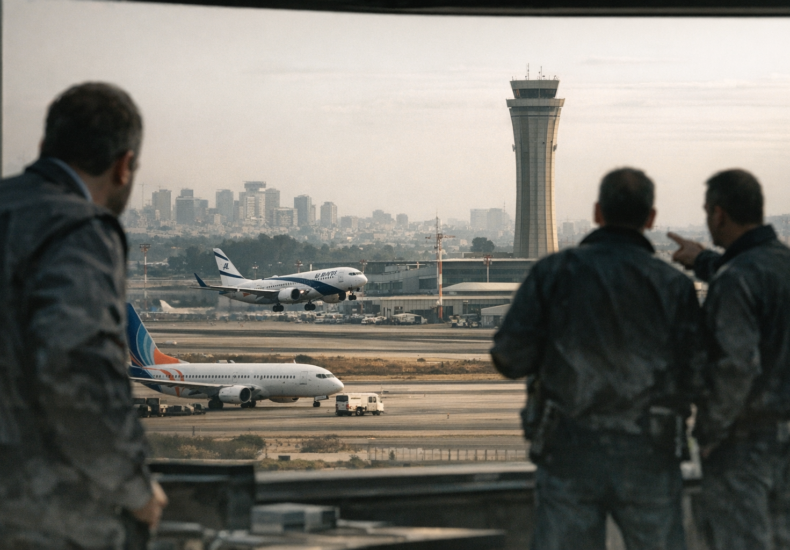
FlyDubai attacker intended to crash plane into Tel Aviv airport, investigation finds as reflected on by Rabbi Aaron Klein
Our study hall buzzes between morning prayers and the opening bell. Laptops, cell phones, and prayer shawls fill the space. Members of our community, our kehillah, manage global supply chains. They handle capital allocations and cultural exchanges. These connections link our city to Tel Aviv, Dubai, London, and Singapore. News recently reached our congregational message thread. An attacker plotted to hijack a plane. He intended to crash it into Ben Gurion Airport. This Tel Aviv airport plot caused intensely personal shock. Ben Gurion is more than a transit point. It serves as the modern physical gateway of the Jewish people. Exiles return and families embrace on its tarmac.
Halakha and the Averted Tel Aviv Airport Plot
Jewish legal jurisprudence, Halakha, gives great weight to intent. It makes a fundamental distinction. An unforeseen hazard differs from calculated lethality. The attacker did not seek indiscriminate harm. Instead, he weaponized human connection. Aviation routes between the UAE and Israel represent remarkable diplomatic progress. Turning an instrument of peace into an explosive projectile directly assaults civilization’s moral covenant. Our sages in the Talmud discuss the principle of rodef. This refers to a pursuer who actively endangers innocent lives. Halakhic jurisprudence demands absolute vigilance. It mandates intervention and threat neutralization before harm occurs.
Intelligence agencies, flight crews, and law enforcement disrupt such conspiracies. Their work transcends secular counterterrorism. Within our tradition, preventing mass bloodshed fulfills a Torah imperative. The Torah commands us not to stand idly by the blood of your neighbor. Therefore, every averted catastrophe offers quiet testimony. It highlights the diligence of thousands of unsung guardians. Their efforts protect our ordinary mornings. We stand in our urban sanctuary. Towering glass offices surround us. International law and global commerce are negotiated there daily. This reminds us how delicate our civil arrangements truly are.
Vigilance and the Pursuit of Peace
Modernity sometimes tempts us. We might believe sophisticated financial treaties provide unshakeable security. However, international agreements endure only with a shared ethical baseline. This baseline treats human life as an irreplaceable image of God. Nihilism seeks to tear this baseline apart. Consequently, statecraft must be reinforced by moral resolve. Our community also feels an inescapable emotional dimension. Many in our pews have children studying in Jerusalem. Others have parents living in Tel Aviv. Many close colleagues travel these exact flight paths. The knowledge of a narrowly averted catastrophe evokes an ancient reflex.
This reflex is birkat hagomel. It is the blessing of thanksgiving recited after surviving imminent danger. Disaster was prevented before the public even saw the danger. Still, our gratitude must be active and palpable. Deliverance in the quiet shadows of operational vigilance deserves profound thanksgiving. It is no less significant than deliverance at the visible edge of the sea. Cynicism is not the response to calculated terror. We must not retreat behind walls of fear. The Abraham Accords built bridges across the Middle East. They specifically challenged the narrative of eternal enmity. The ultimate defeat of those who crash planes lies in our refusal to abandon rigorous defense. It also lies in our courageous pursuit of regional coexistence. We pray for discernment for security forces. They guard Israel’s gates and international travelers worldwide.
Our congregants pack their tefillin. They head to busy morning streets, to desks, courtrooms, and trading floors. We carry forward this dual obligation. We refuse naivete. We know full well the hatred still prowling the world. Simultaneously, we reaffirm our sacred duty. We must construct a society defined by legal justice. This society must uphold uncompromised human dignity. It must also steadfastly pursue true peace.
Leave a Reply