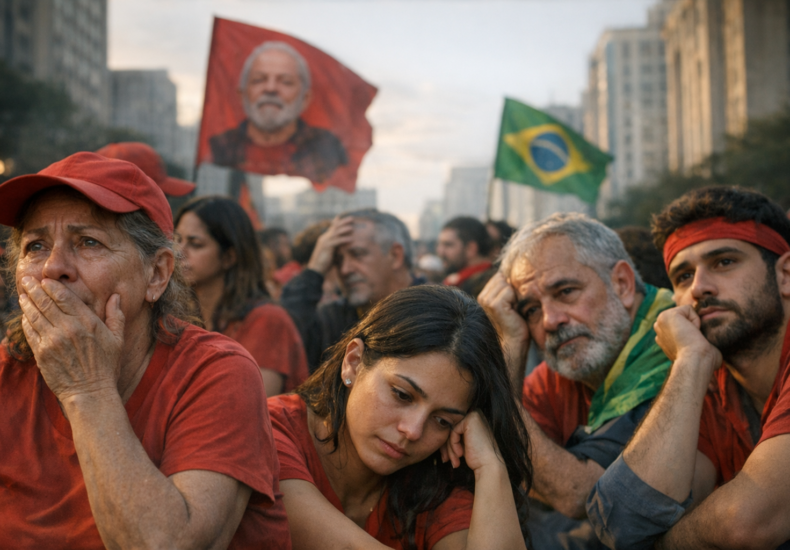
Flávio Bolsonaro poised to win Brazilian presidency after shock first-round victory as reflected on by Rabbi Miriam Levin
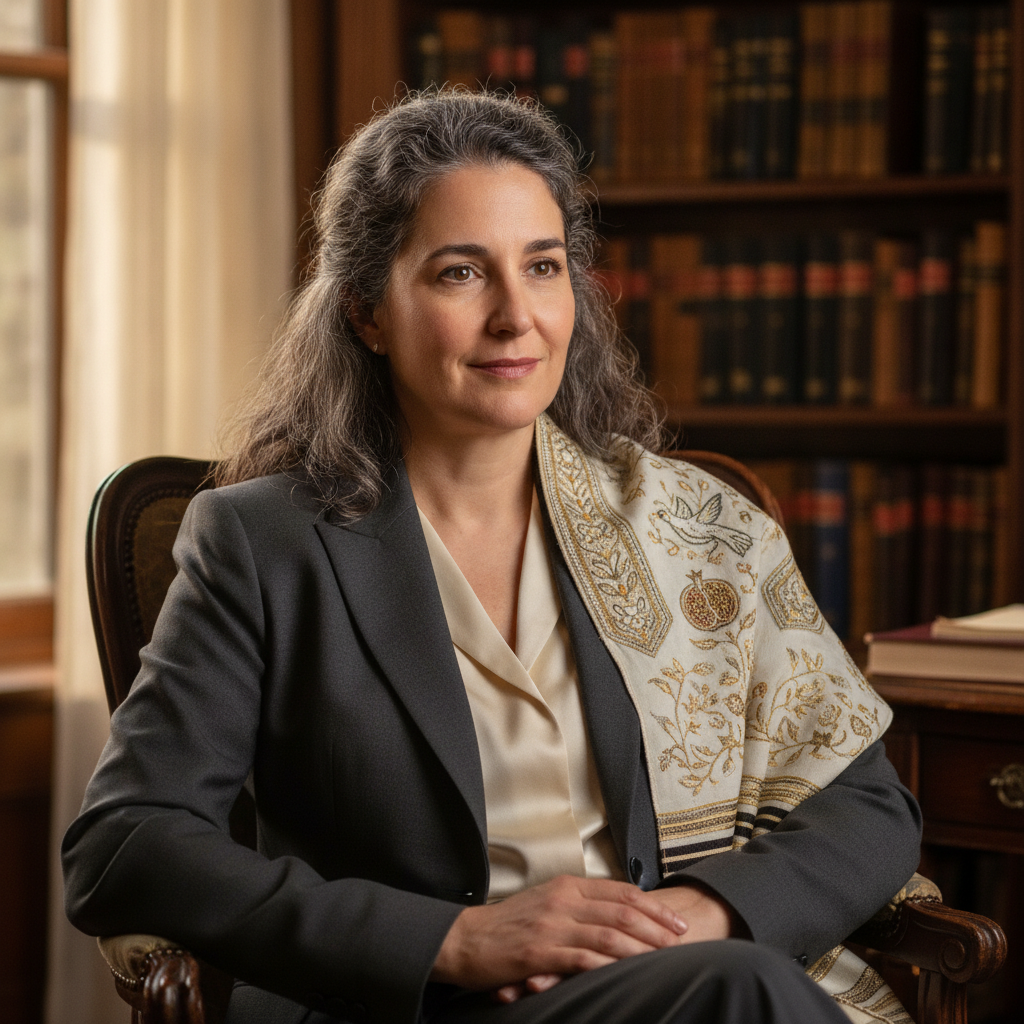
The news from Brazil reached our Highland Woods congregation Monday morning. It stirred a familiar unease among our community members. During nursery school drop-off and after morning minyan, several congregants discussed the first-round Brazilian presidency results. A political pendulum swinging toward polarization feels familiar. Yet, watching it unfold across another hemisphere reminds us how fragile modern democratic consensus remains. In our community, many families experienced societies unraveling into intolerance. Therefore, such shifts carry personal weight.
Our Jewish tradition holds a complicated, sober relationship with political sovereignty. The whims of popular power often concern us. In Pirkei Avot, our sages cautioned, “Be careful with the ruling authorities, for they befriend a person only for their own needs.” Ancient rabbis understood temporal authority. When animated by populist fervor or reactionary grievance, it treats people as instruments. It does not see them as divine creations. Furthermore, political movements mobilize around division and fierce ideological confrontation. The fragile social bonds that allow neighbors to dwell together safely often become the first casualties.
Reflecting on the Brazilian Presidency and Spiritual Exhaustion
Millions of Brazilians felt shock, reflecting a broader spiritual exhaustion of our era. Across continents, electorates swing violently between extremes. They catch in cycles of hope, disillusionment, and retrenchment. People feel economically insecure or spiritually uprooted. Consequently, an uncompromising strongman often appeals, masquerading as moral clarity. Jewish ethics reminds us that true societal strength never lies in dominating opponents. It also avoids rolling back protections for the vulnerable. Our prophets taught us this. Strength measures by how a society treats the orphan, the widow, the stranger, and the earth itself.
Here in our suburban synagogue, we frequently wrestle with maintaining civil discourse. Meanwhile, the surrounding civic atmosphere grows increasingly bitter. The shock of an election outcome abroad mirrors domestic anxieties many members carry. These anxieties concern our own local and national rifts. It is tempting, during political defeat or civic anxiety, to succumb to despair. We might disengage entirely or demonize those who voted differently. However, the ethic of covenantal responsibility forbids nihilism. We do not have the luxury of abandoning the public square. This remains true even if political winds blow against our hopes.
Covenantal Responsibility and Tikkun Olam
Talmudic ethics offers a vital lesson: machloket l’shem shamayim, argument for the sake of heaven. Healthy communal life requires passionate debate. It also requires debate grounded in mutual recognition and commitment to every person’s dignity. Political campaigns sometimes reduce national life to total warfare. The winner takes all. When this happens, the covenant of mutual obligation fractures. Repairing such a breach cannot be accomplished through ballot boxes alone. It demands unglamorous, patient labor. We must rebuild local institutions, foster interfaith solidarity, and care for those discarded by ideological extremes.
Whatever the outcome of Brazil’s runoff later this month, the fundamental human test remains unchanged. Leaders will rise and fall. Yet, a nation’s moral health resides in its everyday citizens’ character. As Jews, our mandate is neither triumphalism in victory nor despair in setback. Our calling is Tikkun Olam. This means the daily, deliberate work of piecing together a broken world. That responsibility does not depend on who occupies a presidential palace. Instead, it depends on whether we continue to defend our neighbors’ dignity, insist upon truth, and protect the vulnerable wherever they may be.
Leave a Reply