Ethiopia’s PM insists on access to Red Sea despite regional conflict threat as reflected on by Sensei Michael Jinpa
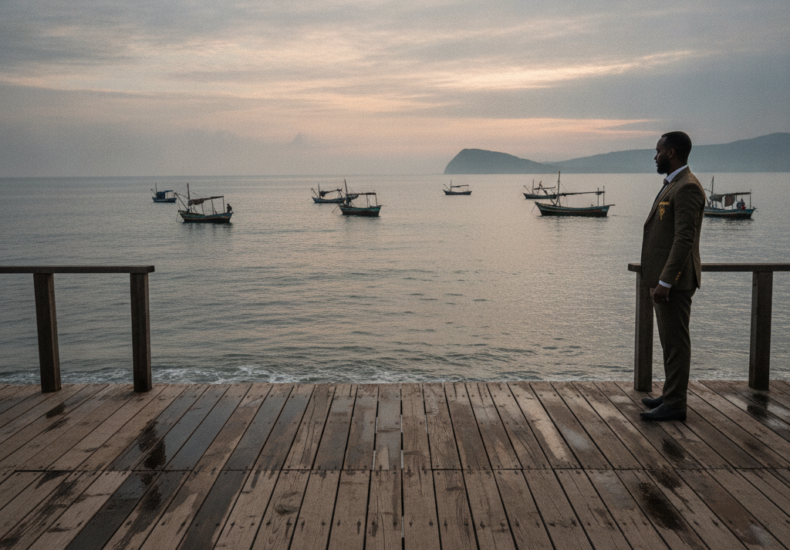
From the wooden deck of Clear Mind Zen Sanctuary, the morning tide carries an old, steady rhythm into the harbor. Fishing vessels slip out into the gray swell of Harborview Point. Each navigates the open water without mistaking the ocean for something carved up and locked away. Water yields to every hull that cuts it, closing immediately behind the wake. Meanwhile, I read of Ethiopia’s leadership insisting upon sovereign access to Red Sea. Old skirmishes reignite in the north. Neighbors brace along contested borders. The human impulse to secure what we fear losing is ancient. Yet, watching nations barter blood for coastlines reveals how easily collective grasping blinds us to our shared ground.
In Buddhist practice, we closely examine tanha, the relentless thirst that mistakes possession for safety. A landlocked nation naturally feels vulnerable. It is surrounded by shifting alliances and depends on foreign ports for sustenance. That anxiety is real and understandable. However, when thirst hardens into an ultimatum, it demands reality reshape itself around our craving. In statecraft, as in our personal lives, grasping rarely resolves insecurity. Instead, it breeds friction against neighbors who feel their own boundaries threatened. Consequently, it sets in motion the very turbulence we sought to outrun.
The Illusion of Control and Access to Red Sea
During my years as a hospice chaplain, I sat by many bedsides. Life was narrowing toward its final breaths. When the body weakens and familiar anchors of control dissolve, people rarely speak of possessions. They do not mention what they secured or conquered. Instead, they speak of relationships they fractured and reconciliations they postponed. They realize, often with painful clarity, that attempts to fence in life only isolate us from it. Nations operate under the same delusion. They imagine that sovereign borders and military dominance will finally grant lasting peace. Lasting security cannot be extracted from a landscape at gunpoint.
The doctrine of dependent origination reminds us that nothing exists in isolation. No coastline belongs solely to the sand it touches. Likewise, no inland plateau can thrive by threatening the shoreline. The Red Sea is not an inert asset or a strategic corridor waiting for domination. It is an interdependent lifeline shared by communities, ecosystems, and centuries of mingled culture. When leaders treat geography as a zero-sum prize, they forget a neighbor wounded by coercion remains an open source of future suffering. You cannot poison the wellspring and expect clean water to drink.
Cultivating Shared Shores
Here in our arts enclave, painters and sculptors spend hours working with negative space. They recognize that form only exists because of the openness surrounding it. When an artist fights the medium, the canvas tears. True diplomacy requires similar contemplative humility. It needs an ability to see that borders are shared seams rather than barricades. Mutual access and shared trade can be cultivated through patience, trust, and equitable treaty. When ambition outpaces dialogue, however, the rhetoric of necessity quickly becomes a rationale for tragedy.
Right now, ordinary families carry the weight of these geopolitical gambits. Mothers and fathers desire bread, safety, and a quiet night for their children. Their lives become overshadowed by the posturing of distant capitals. Zen does not counsel passivity in the face of logistical hardship. However, it demands radical awareness of consequence. To inflict harm or court war for an outlet to the ocean is to drink salt water to quench a fever. This guarantees only greater agony.
True sovereignty is not found in an empire’s perimeter. It exists in the collective capacity to live in peace alongside others. The sea belongs to the rain, the rivers, and the earth itself. As the bell rings for evening meditation in our coastal hall, my practice turns toward the leaders and people of the Horn of Africa. May those who hold power pause long enough. May they quiet the noise of pride and grievance. Ultimately, survival is never won through conquest. It comes through the courage to share the open road and the common shore.
Leave a Reply