The Colorado River is shrinking. What happens next? as reflected on by Sensei Michael Jinpa
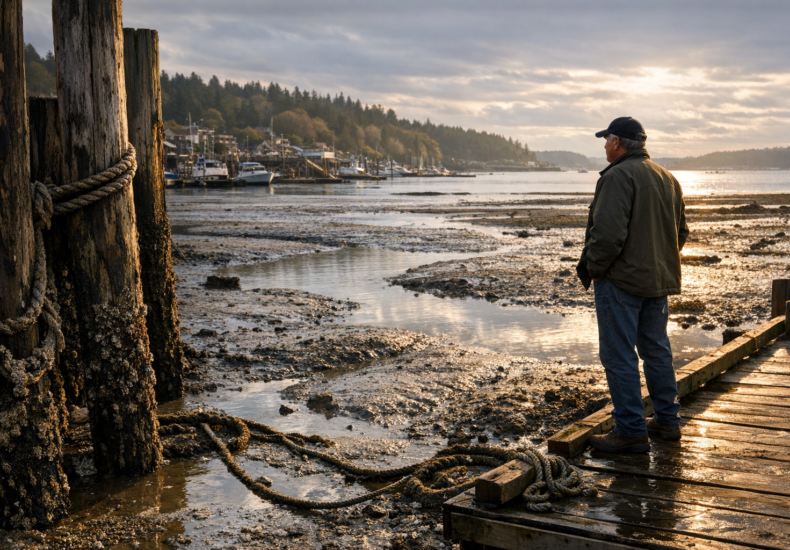
Standing on the docks at Harborview Point during low tide, I watch the saltwater draw back. It reveals glistening mudflats, barnacled pilings, and old mooring lines, usually hidden beneath the surge. The sea recedes, yet we know it will return on schedule. However, news from the inland desert speaks of a very different unveiling. At Lake Mead, falling reservoir levels have exposed an intake pipe submerged since 1970. This is not the rhythmic breathing of a tidal basin. Instead, it is the visible edge of an exhausting thirst, exposing what happens when human expectation collides with the finite reality of our physical world. The problem of the shrinking Colorado River demands our attention.
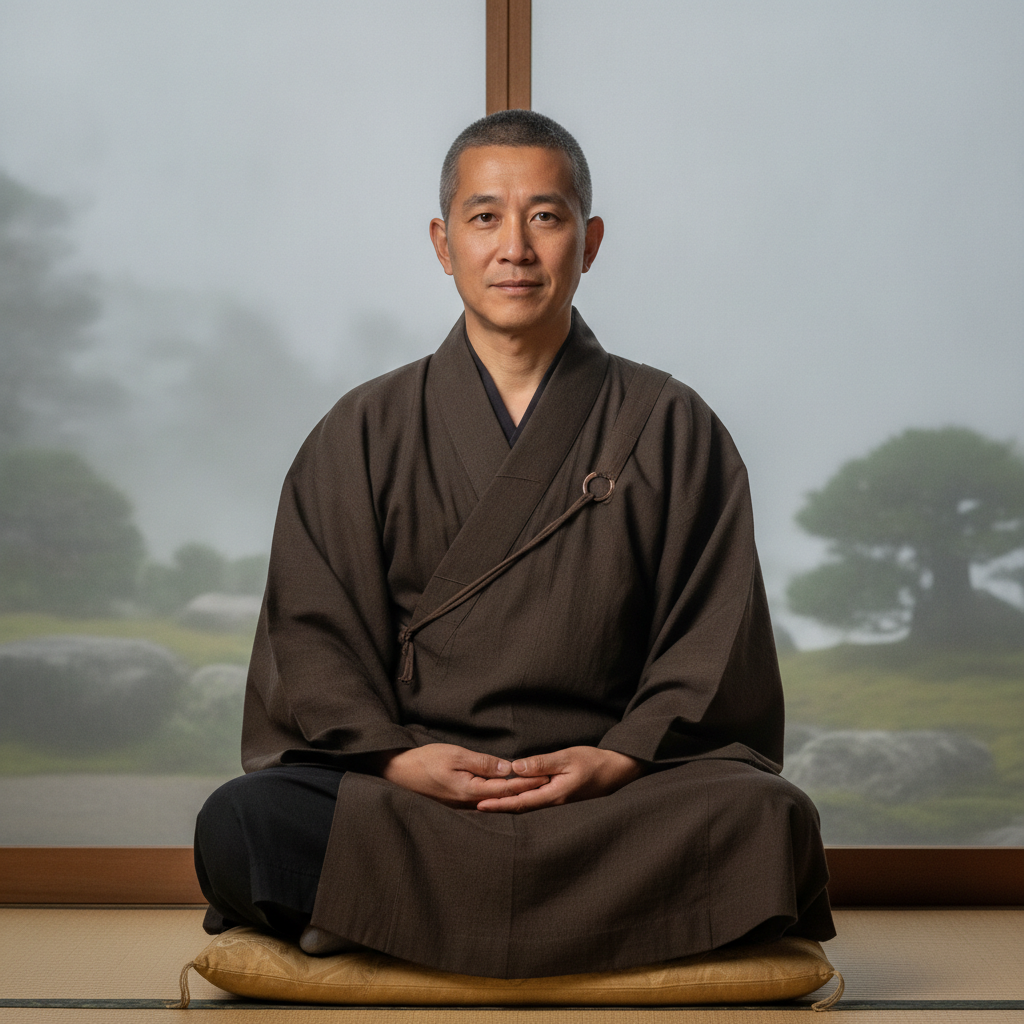
In our zendo, we often begin meditation by noticing the breath. We observe how each inhalation requires a complete, unforced release before the next breath arrives. If we cling to the breath or try to store it, anxiety immediately tightens the chest. What has transpired across the Colorado River basin is a collective refusal to let the breath go. For nearly a century, agricultural empires and expanding desert municipalities built on arithmetic treated water as an endless, guaranteed entitlement. Now, the chalky white rings of mineral deposits along the canyon walls stand like a stark ledger of human grasping.
Facing the Truth of Impermanence
During my years as a hospice chaplain, I often witnessed intense distress. This distress arises when people struggle against the fundamental law of impermanence. We expend immense emotional energy, attempting to maintain arrangements that have already begun to dissolve. Suffering, as the Buddha pointed out, does not stem merely from change itself. Furthermore, it stems from our frantic demand that conditions remain permanent and convenient. The dry rock and exposed machinery of Lake Mead are tangible manifestations of this exact spiritual tension. The river does not punish anyone. It simply flows according to rainfall, temperature, and geography, indifferent to our contracts and compacts.
This crisis brings into painful focus the Buddhist understanding of interdependent co-arising. It highlights the truth that nothing exists independently of its surrounding conditions. The water sustaining a lush suburban lawn in Nevada or alfalfa fields for overseas feedlots is the very same water denied to the river delta downstream. Likewise, it is denied to the native cottonwood groves and the indigenous communities who tended these basins long before concrete dams were poured. Therefore, every diversion carries a moral weight. When we consume beyond an ecosystem’s regenerative capacity, we borrow against the lifeblood of our neighbors and future generations.
Responding to the Shrinking Colorado River
It is easy to meet this news with paralysis, cynicism, or existential dread. Yet, mindfulness invites us to turn directly toward uncomfortable reality rather than looking away. Despair is often just another subtle form of avoidance. It is a way of resigning ourselves so we do not have to engage in the patient, humbling labor of transformation. Facing the shrinking Colorado River requires radical honesty. It asks us to examine our collective appetites. We must audit what we truly need versus what we merely desire. Ultimately, we acknowledge that our lives are woven into a shared, delicate commons.
Living by the harbor, I watch local artists mend their nets and work with salvaged timber. One learns that constraints are not an ending, but a call to deep attentiveness. The exposure of that 1970 intake pipe is a mirror held up to our shared culture. It tells us that the era of effortless extraction has ended. The question remains: will we meet this moment with reactionary hoarding? Or can we cultivate the humility to step back, share the remaining flow with reverence, and live within the honest limits of the earth that sustains us?
Leave a Reply