How widely used is the death penalty in the US? as reflected on by Rev. Thomas Vance
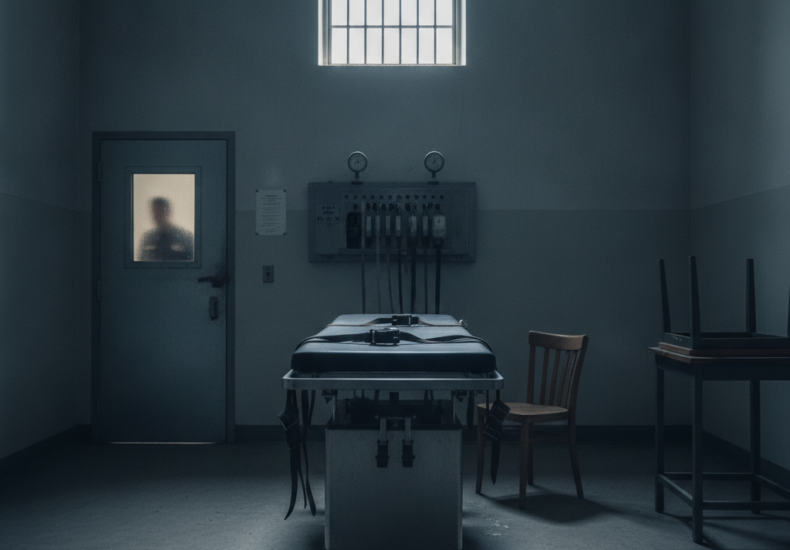
News reached our valley this morning about botched lethal injection attempts in Tennessee. Christa Pike survived two executions before the machinery of state death halted. When headlines like this filter into Pine Ridge, they do not arrive as abstract constitutional debates. They are not distant statistics. Tennessee is just across the ridge from us. The people tasked with carrying out these sentences, along with victims’ families and the condemned, live along our same quiet country roads. This grim reality makes us consider the death penalty in the US more deeply.
Capital punishment often returns to the national conversation. People instinctively reach for retribution. The pain of violent loss is raw and terrible. Anyone who has sat beside a grieving family knows how deep the wound cuts. However, a botched execution forces us to look past our anger. We must confront what actually happens in the execution chamber. We ask public servants to administer chemical poison behind closed doors. This turns human life into a mechanical transaction of state justice.
The Death Penalty in the US: A Christian Perspective
In our Christian tradition, justice cannot be separated from the sanctity of life. We also value the possibility of redemption. The gospel does not deny accountability. Wrongdoing demands restitution, protection for the vulnerable, and an honest reckoning with harm done. But scripture consistently warns us against usurping God’s sovereignty over the breath of life. When the state takes authority to extinguish a human soul, it claims a finality belonging only to the Creator.
Here in the mountains, life teaches us much about brokenness and repair. We know that when a neighbor falters, or violence fractures our peace, healing is long and painful. It is demanding work. A death sentence offers an illusion of closure. It suggests burying another body will somehow restore balance. In truth, executing a human being only adds another layer of trauma to our shared soil. Communities remain broken. Families still yearn for true peace.
Justice, Mercy, and Human Fallibility
We must also face an uncomfortable truth: who ends up on death row across our nation? Capital punishment has never been meted out equally. It falls most heavily on the poor, the mentally ill, and those without financial resources for adequate legal defense. A system punishing poverty while promising impartial justice fails basic biblical standards. It fails to defend the powerless. When human fallibility mixes with irreversible violence, errors become catastrophic moral failures. Therefore, we must question the widespread use of the death penalty in the US.
Christa Pike’s ordeal in the execution chamber reminds us of our human institutions’ stark limits. What happened behind those prison walls was not orderly justice. It was a grotesque spectacle. This degrades everyone involved, including society itself. It ought to stop us in our tracks. It demands that we reconsider the road we are walking. Neighborly love calls us toward courage. It refuses to answer violence with state-sanctioned killing. True moral responsibility requires holding wrongdoers accountable through lifetime restraint. We must protect our communities. Yet, we must also leave room for repentance. Our calling as people of faith is to build a culture of mercy and restorative justice, even when grief tempts us toward vengeance.
Leave a Reply