Lyft settles landmark driver misclassification lawsuit for $272.5M as reflected on by Imam Tariq Al-Mansoor
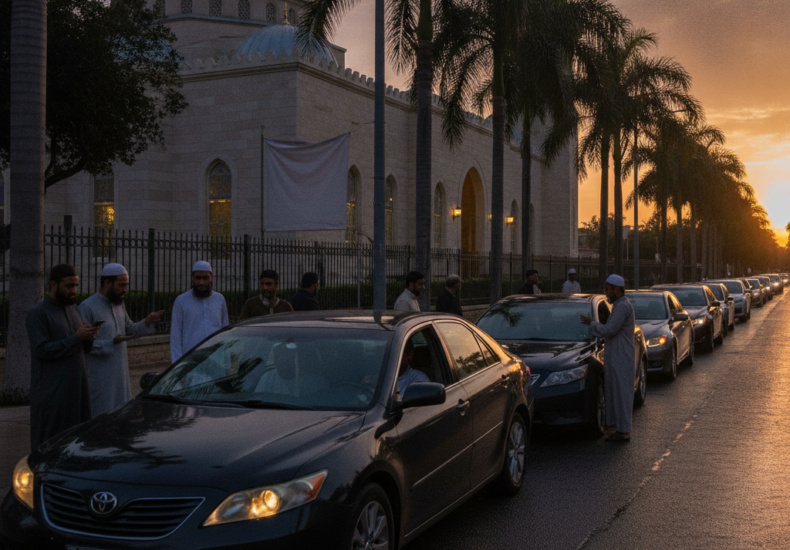
Every evening, just before the Isha prayer, sedans idle outside Al-Fajr Islamic Center. Our congregation brothers drive these cars. They emigrated from West Africa, South Asia, and the Levant. Others were born right here in Cedar Heights. Phone screens glow in their dashboard mounts, pinging constantly with dispatch alerts. Tired, they step out into the evening air. They wash for prayer, then bow before the Creator. In that sacred stillness, their true worth is clear. However, after prayer, they return to an economic system. This system treats them not as dignified workers, but as disposable algorithmic inputs. Indeed, the recent Lyft driver settlement highlights this ongoing struggle.
News of the $272.5 million Lyft settlement broke. Our neighborhood tea shop did not celebrate. Instead, we felt exhaustion. Our brothers understand their own lives’ basic arithmetic. After deducting gas, insurance, and vehicle depreciation, a corporate settlement check feels like crumbs. They spend endless hours waiting for fares. These hours never count towards an hourly wage. Therefore, this legal compromise merely settles an accounting line for Silicon Valley investors. It leaves the systemic injustice untouched. This injustice allowed their livelihood to be extracted in the first place.
Labor, Dignity, and the Lyft Driver Settlement
In the Islamic tradition, labor is not just a secular contract. It is a profound covenant. This covenant grounds itself in moral accountability. Prophet Muhammad, peace and blessings be upon him, gave a clear command. He told those who command labor to pay the worker his wages before his sweat dries. This prophetic decree is more than about punctuality. It establishes a principle: human toil’s value is sacred. One must never withhold, diminish, or delay it through legal sleight of hand. Building an entire business model around denying basic employment protections violates this sacred trust. It shifts corporate overhead onto struggling families.
The platform economy’s core deception lies in an illusion of autonomy. Companies label these men “independent contractors.” They promise freedom and flexibility. Yet, true autonomy requires bargaining power. It also needs transparent compensation and basic social security. Our local anti-poverty coalitions see the real cost every month. An unexpected transmission failure or a sudden medical emergency can plunge a family into crisis. Why? Because the multi-billion-dollar enterprise profiting from their driving bears zero responsibility for their health or sustenance. Classical scholars called this “economic coercion.” It offers vulnerable workers only the appearance of a free choice.
Seeking Justice Beyond Financial Settlements
A deeper spiritual sickness also takes root. Human interaction becomes entirely mediated by digital extraction. The rideshare driver is hidden behind an interface. He is reduced to a moving dot on a passenger’s screen. A star rating evaluates him. Furthermore, corporate leaders distance themselves from their algorithms’ flesh-and-blood consequences. Ethical responsibility then dissolves into board reports and quarterly earnings. The Quran warns us against measuring unjustly. It cautions against giving short measure to people in their transactions. Denying workers full labor protections while reaping vast fortunes from their sweat is precisely such an imbalance. It heavily favors the powerful.
A financial settlement may satisfy the courts. However, it cannot heal the civic fabric of communities like Cedar Heights. True justice demands restitution and structural reform. It also requires an honest reckoning. We must examine how we treat the people who keep our cities moving. As people of faith and conscience, our duty extends beyond offering food parcels. It is more than benevolent handouts when neighbors fall behind. We are called to stand alongside these workers. We must amplify their demands for genuine collective bargaining, fair wages, and legal recognition as full employees.
Tomorrow morning, before dawn, the call to Fajr will ring through our streets. These same drivers will wipe frost from their windshields. They will log on to their apps. They do so with patience, dignity, and faith in God’s provision. Our society must not confuse their patience with acquiescence. A righteous city cannot build its convenience upon its laborers’ quiet suffering. Until their brow’s sweat meets real justice and uncompromised dignity, the moral debt remains unpaid. The Lyft driver settlement is a start, but not an end.
Leave a Reply