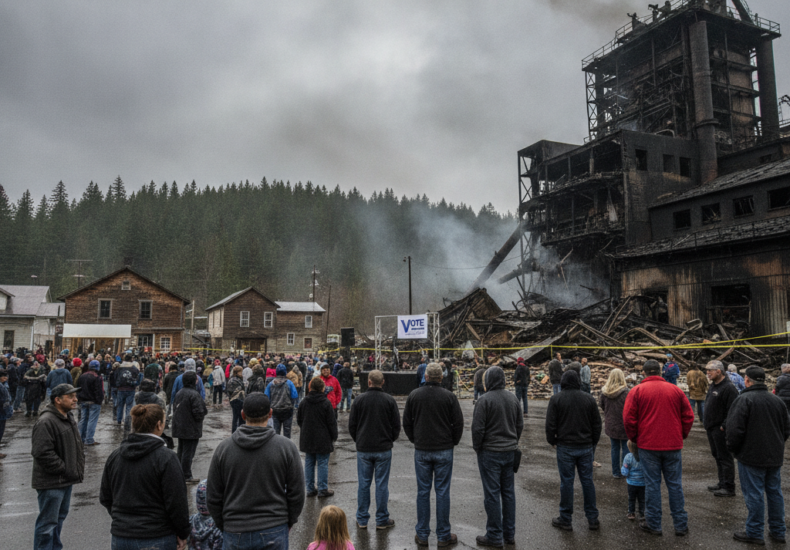
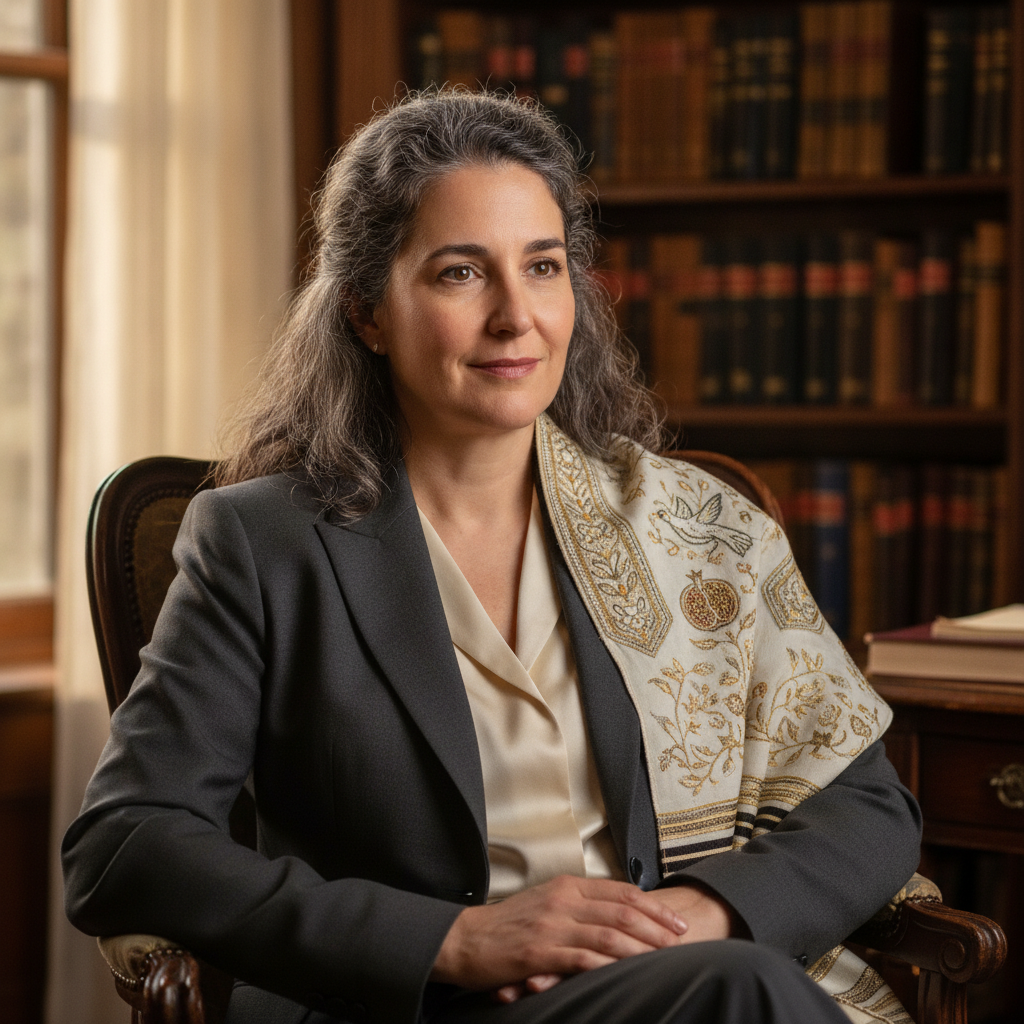
After a deadly paper mill explosion, a community in Washington state looks to a key House race as reflected on by Rabbi Miriam Levin
When an unexpected siren cuts through a town’s quiet routine, life divides into before and after. In southwest Washington, an industrial mill explosion claimed eleven lives. This tragedy shattered the bedrock sense of security working families rely upon daily. In our quiet suburb of Highland Woods, far from the industrial floor, we might view such catastrophes distantly. We could see them through the sterile lens of electoral math and a key House race. Yet, Jewish tradition forbids converting human tragedy into mere political calculation. We must first sit with the bereaved.
Our ancient sages greatly valued workplace safety and the sanctity of labor. The Talmud, in tractate Bava Kamma, constructs an exacting architecture of liability and care. Rabbis insist any hazard brought into a shared domain demands vigilance. Earning an honest wage should never require gambling with one’s breath and blood. When eleven workers do not return home, the failure is rarely an act of God. It almost always represents a failure of covenant. This breaches our collective duty to guard the vulnerable’s dignity and physical integrity.
Beyond the Ballot Box: Honoring Grief and Avoiding Spiritual Callousness
There is profound theological peril in rushing to ask what a disaster means for a ballot box. Consider the Book of Job. Job’s companions sat in silence with him for seven days before speaking. Their profound failure began when they started theorizing about his suffering. They analyzed his agony rather than honoring his grief. To immediately measure the loss of breadwinners, mentors, and neighbors by whether a legislative seat flips red or blue is spiritually callous. It treats image-bearers of the Divine as instrumental pawns in a national contest.
At the same time, civil responsibility forms an inescapable component of Jewish ethics. We pray in our sanctuary each Shabbat for our government’s welfare. We acknowledge that just governance preserves life, and chaos destroys it. Politics, at its most honorable, is not entertainment or partisan warfare. It is the practical machinery through which society decides critical issues. For example, it determines how much oversight a dangerous boiler room receives. It also decides how swiftly emergency responders are funded, and what support remains for widows and orphans when the smoke clears.
Faithful Leadership in a Key House Race
The community in Washington state grapples with grief. Simultaneously, they must choose leaders who will hold power over their future. This represents the heavy, exhausting reality of civic life in a democracy. True leadership in such an hour does not exploit raw anguish for television soundbites. It demands humility. Leaders must listen to the terrified quiet of the hospital ward. Moreover, they must commit to systemic accountability that outlasts the November news cycle, especially concerning a key House race.
In our tradition, Tikkun Olam, repairing the world, begins not in grand abstractions. It starts in the meticulous repair of broken fences and faulty scaffolding. It is the steady, unglamorous work of making sure no parent has to wonder if their child will survive an ordinary workday. When an entire town is shaken by loss, their leaders’ measure lies in their covenantal faithfulness. This means the resolve to inspect what failed, tell the truth about why it failed, and honor memory through protection.
May the memories of those eleven workers be bound up in the bond of eternal life. May their community find comfort amid their sorrow. As citizens and people of faith, our obligation is clear. We must remember their names long after the ballots are counted. We must ensure our shared laws reflect the infinite worth of every human soul.
Leave a Reply