
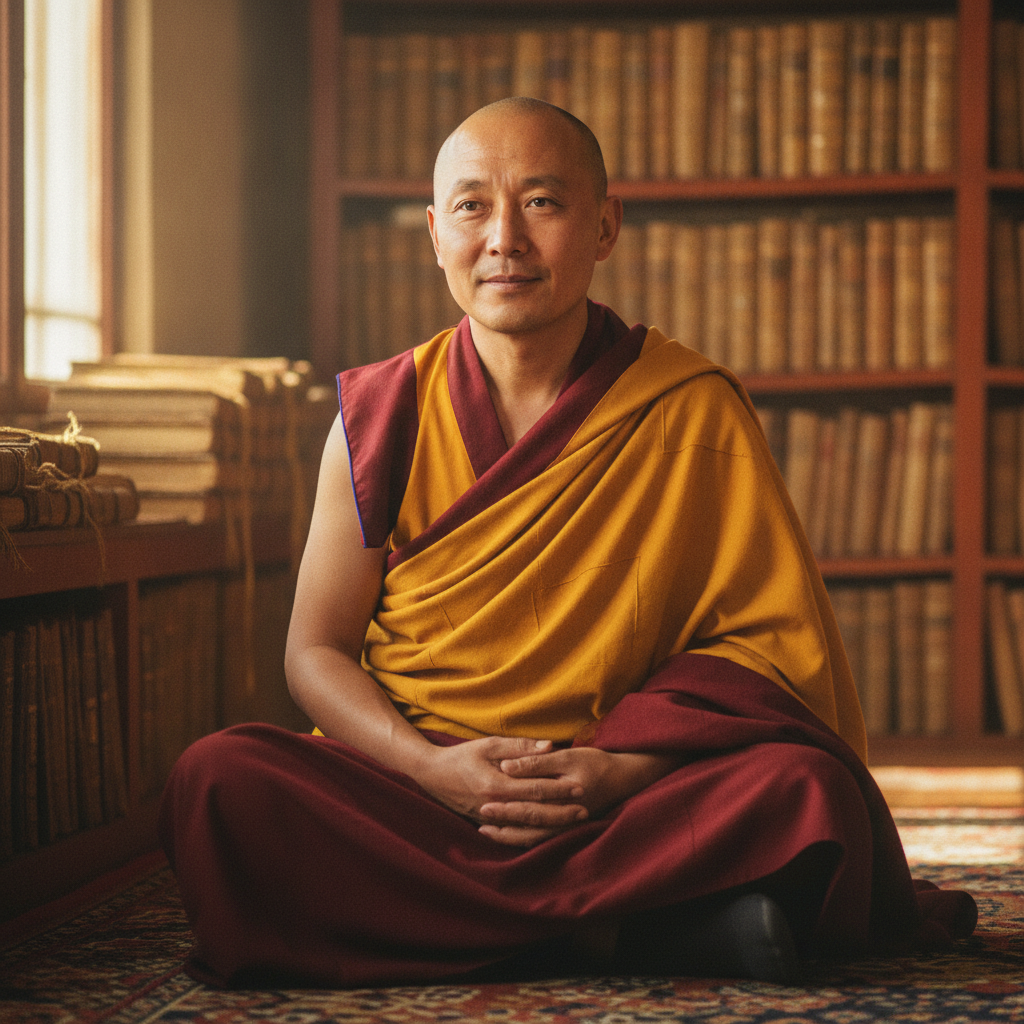
What the heck is wrong with our AI overlords? as reflected on by Venerable Geshe Lobsang Tenzin
We read with interest the recent profile on Sam Altman and the broader AI industry, questioning “What the heck is wrong with our AI overlords?” This headline reflects a growing unease in the world. From a Buddhist perspective, such concerns are not new. We have long understood the intricate dance between powerful tools and the minds that wield them. Ultimately, technology itself holds no inherent morality. Instead, human intention and our collective wisdom determine its impact. We must therefore cultivate a deeper understanding of our motivations.
Cultivating Compassion with AI Overlords
The development of advanced artificial intelligence presents humanity with a profound choice. Will we create systems driven by greed, competition, or short-sighted gain? Or will we instead infuse these creations with principles of compassion and universal responsibility? The Buddha taught that all suffering arises from ignorance and attachment. Consequently, if we build AI without addressing these root causes in ourselves, we risk amplifying our own imperfections. Therefore, we must focus on ethical training for developers and users alike. This is a vital task for our time.
Our tradition emphasizes the limitless potential of the mind. Furthermore, it teaches the profound interconnectedness of all beings. When we speak of “AI overlords,” we must remember who creates them. Human beings design these systems. Human beings program their objectives. Thus, our responsibility remains clear: we must project our highest aspirations onto these powerful tools. We can, for example, train AI to prioritize global well-being, mitigate suffering, and foster harmony. This requires diligent effort and moral clarity from all stakeholders.
Wisdom Guides AI Development
The path forward demands wisdom, not just technological prowess. We must apply the principles of dependent origination to AI development. Everything arises in relation to causes and conditions. Therefore, the outcomes of AI will directly reflect the intentions and values embedded within its creation. We must ask ourselves: are we fostering boundless loving-kindness in our algorithms? Are we designing for equity and justice? Conversely, are we merely seeking efficiency or profit at any cost?
Ultimately, the challenge of “AI overlords” invites us to look inward. It prompts us to examine our own minds. As my Root Guru, His Holiness the Dalai Lama, often teaches, true progress comes from transforming our inner landscape. We must develop patience, ethical conduct, and profound insight. This inner work then guides our outer actions, including the responsible development of artificial intelligence. We can indeed shape a future where technology serves all beings beneficially. However, this requires unwavering commitment to our highest human values.
Read the original news coverage on Ars Technica.
Leave a Reply