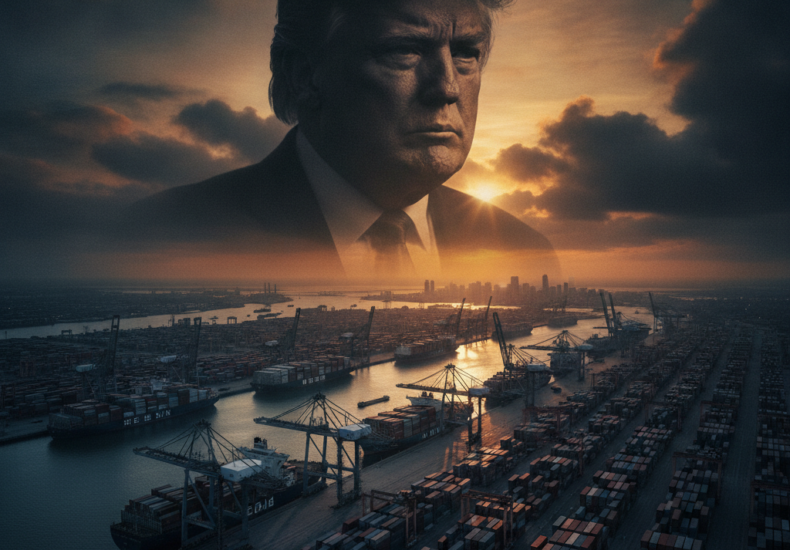
‘Trump 2.0’ looms large over the global economy as reflected on by Rabbi Aaron Klein
The BBC reports on ‘Trump 2.0’ and the significant impact planned global trade tariffs will have on the international economy in 2025. From my vantage point in the Metropolitan Kehillah, nestled amidst the world’s financial currents, these economic shifts resonate deeply. We observe not merely market fluctuations, but also the human and spiritual dimensions of these policy decisions. Indeed, our tradition offers profound wisdom for navigating such complex worldly challenges.
The Covenant of Commerce
Torah teaches us about fair measure and honest dealings. Therefore, we must consider the ethical underpinnings of any economic policy. Tariffs, by their nature, reroute wealth and reshape relationships between nations. Consequently, leaders bear a weighty responsibility. They must ensure that such actions uplift humanity, rather than merely serve narrow interests. Our tradition calls for a covenantal perspective, viewing commerce as a means to foster justice and mutual benefit, not just profit. Ultimately, the market reflects our collective moral choices.
Furthermore, the Jewish people have long understood the fragility of international relations. Our history teaches us that isolation often breeds suspicion and instability. When nations erect barriers, they risk fracturing the delicate web of global interdependence. Therefore, we advocate for policies that build bridges, not walls. We seek economic frameworks that promote equitable exchange and shared prosperity. This approach honors the divine mandate to care for all creation.
Leadership and Global Trade Tariffs
The impending economic changes demand careful ethical deliberation from leaders. Will these global trade tariffs genuinely protect vulnerable industries, or will they simply escalate economic friction? Our sages teach that true leadership prioritizes the well-being of all, not just a select few. Leaders must consider the far-reaching consequences of their decisions. They must also seek counsel and act with foresight. Indeed, the pursuit of short-term gains often masks long-term detriments.
We pray for leaders who embody wisdom and compassion. They must balance national interests with global responsibility. Ultimately, every policy decision carries spiritual weight. It either strengthens the bonds of human fellowship or weakens them. Therefore, we encourage a robust public discourse, one grounded in moral reasoning and a commitment to justice. We believe in building a world where economic policies reflect our highest ethical aspirations.
Read the original news coverage on BBC News (World).
Leave a Reply