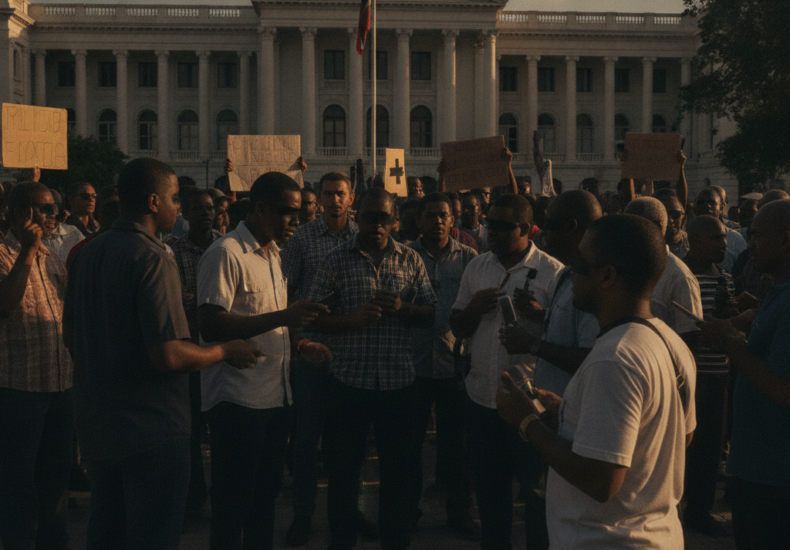
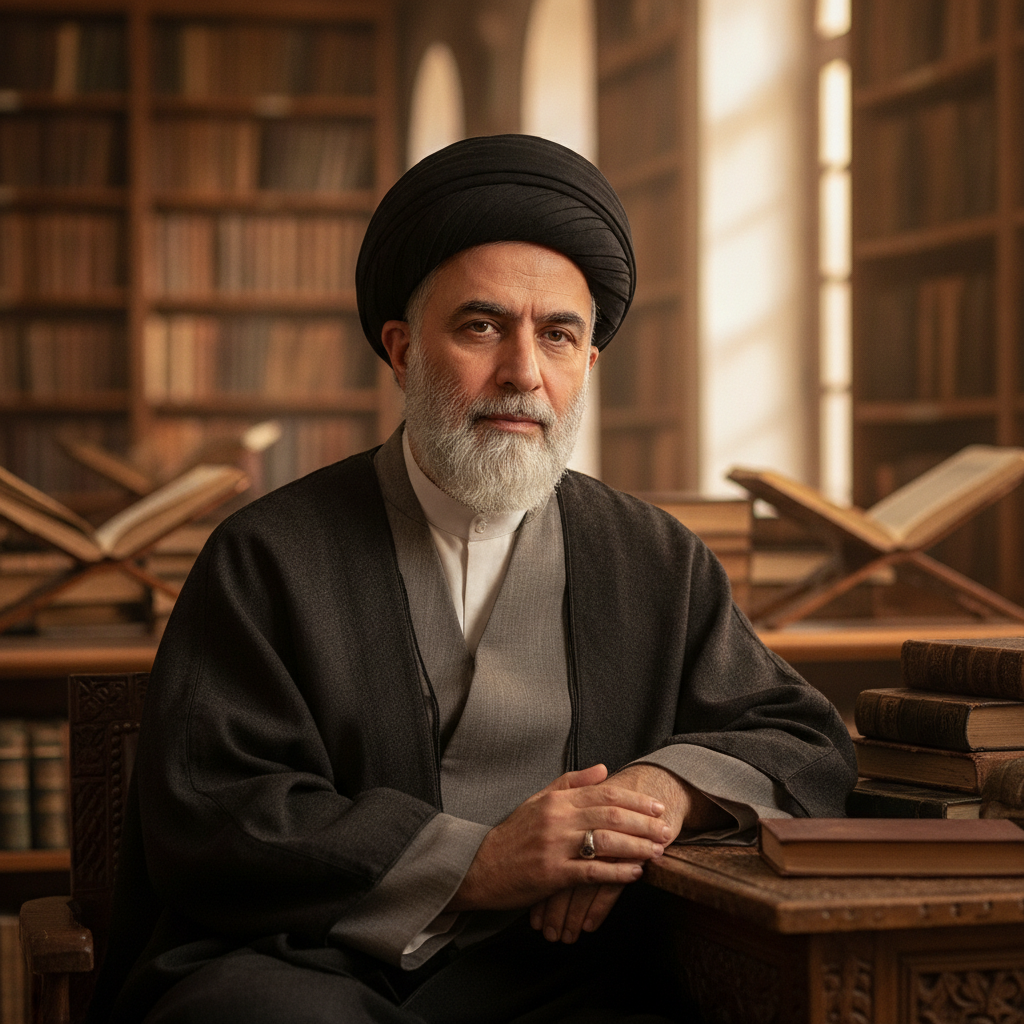
Outcry in Trinidad and Tobago after passing of police bill that could threaten press freedom as reflected on by Sayyid Ali Reza Hosseini
Fear often settles into a society’s core. Then, the state feels tempted to bargain away instruments of accountability. We observe this familiar tragedy in Trinidad and Tobago. Rampant violence and murder have caused acute agony there. Consequently, the legislature passed the Special Operations Bill. This bill expands police power for search and seizure. It directly threatens independent press freedom. This instinct is as old as empire itself. It promises order yet costs oversight. It mistakes silencing witnesses for eradicating crime.
At Bait al-Hikmah, students often ask about balancing public order with individual liberty. Our Ja’fari tradition and Islamic jurisprudence never consider order an end in itself. Order without justice, or adl, becomes merely organized coercion. Imam Ali ibn Abi Talib advised his governor, Malik al-Ashtar, on statecraft’s burdens. He explicitly warned against creating an atmosphere where citizens fear speaking or questioning authority. He understood this well. Unchecked enforcement apparatus ceases to protect the vulnerable. It inevitably begins protecting itself from scrutiny.
Defending Press Freedom in Trinidad
A free press is not a luxury. It is not a modern secular novelty either. Morally speaking, it serves as an essential civic vehicle for bearing truthful witness, or shahada. Society cannot diagnose its own illnesses. This happens if investigators face arbitrary entry, confiscated notes, or intimidated sources. Stripping investigators of privacy under emergency policing blinds the public eye. Journalists become vulnerable to the very institutions they must examine. Therefore, accountability’s entire moral architecture collapses into darkness.
Indeed, addressing crime requires rigor. Insecurity corrodes the dignity of families raising children in peace. However, a fatal confusion arises. A government equates greater coercive force with enduring safety. Real social peace roots itself in moral legitimacy, impartial courts, and equitable opportunities. It also needs communal trust. The state takes a shortcut through invasive executive powers. It treats societal decay’s symptoms. Meanwhile, it undermines the rule of law that prevents tyranny.
Upholding the Dignity of Law
Our philosophical tradition reminds us of a truth. Power naturally seeks expansion. Strict moral and legal barriers must bound it. The state claims only the guilty need fear surveillance and unchecked search. History answers with an unbroken record of abuse. Those holding the baton and badge are human beings. They are subject to pride, prejudice, and political pressure. Clear, judicially supervised limits protect journalists and citizens alike. Without them, extraordinary powers inevitably become ordinary habits of rule.
Journalists in Trinidad and Tobago demand urgent amendments to this legislation. They perform an act of civic duty. They remind leaders that security purchased by compromising transparency is a hollow illusion. True governance requires moral courage. It must uphold the dignity of the law even during severe anxiety. It must refuse to dismantle the public’s right to know. This pursuit of a swift remedy should not compromise fundamental rights.
Leave a Reply