
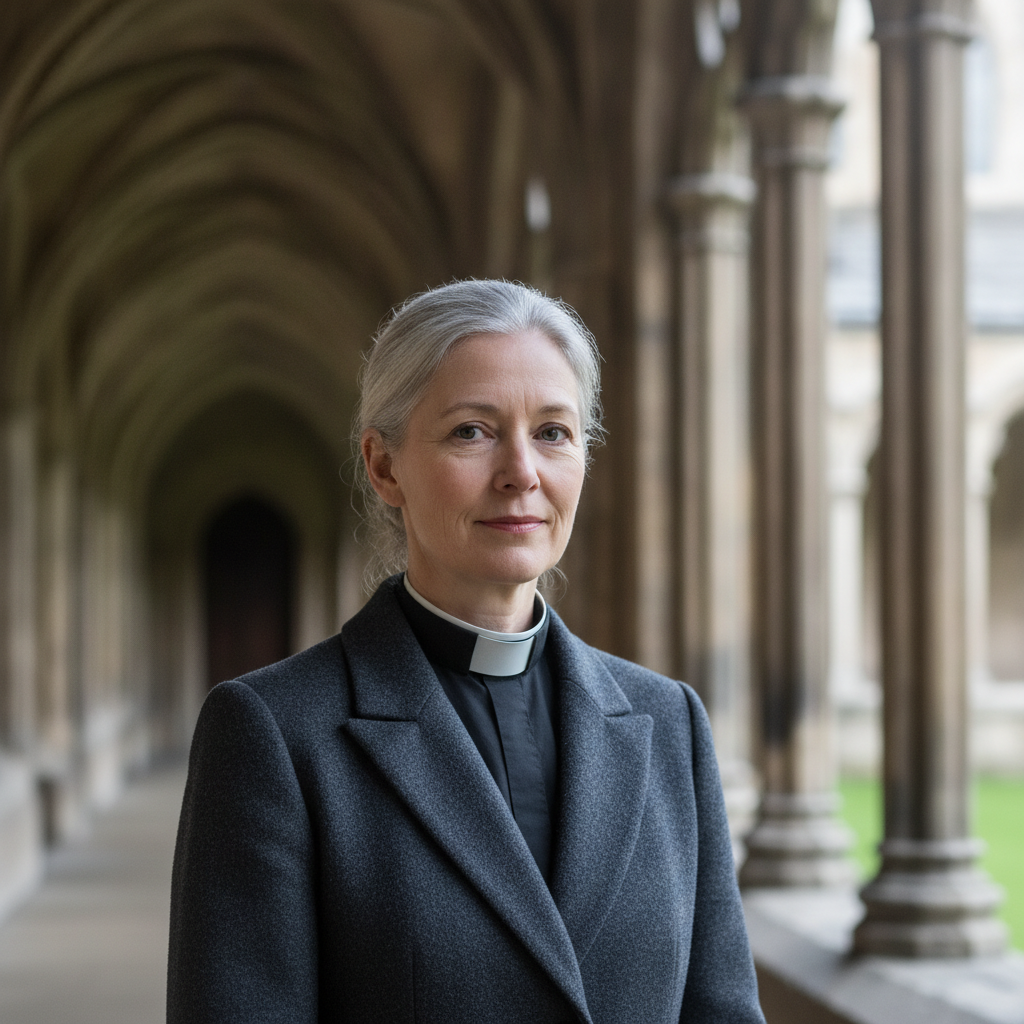
Fort Hood shooter to be executed by firing squad – a first for US military since World War Two as reflected on by Canon Eleanor Wright
The announcement that Nidal Malik Hasan will face a military firing squad brings a grim finality. This news marks one of the darkest days in modern American memory. In our college town, university researchers sit in the same pews as veterans from the nearby reserve depot. Therefore, the news does not arrive as an abstraction. It arrives bearing the heavy memory of thirteen unarmed soldiers cut down in a medical processing center. Furthermore, thirty-two more suffered wounds in body and spirit. The horror of that day remains an open wound for families. Time has softened their grief, but it has never truly healed.
Reflecting on the Fort Hood Firing Squad
The state’s choice of instrument compels us to pause. Our armed forces have not used this method since the Second World War. A firing squad carries an unmistakable, archaic violence. It strips away the sterile, clinical illusions modern lethal injections attempt to maintain. Instead, it exposes state killing for precisely what it is. In the Anglican tradition, our moral theology has long grappled with the state’s coercive authority. We acknowledge its duty to restrain evil and uphold civil order. However, we constantly warn against confusing retribution with divine justice. We see justice differently.
Justice, in the biblical imagination, is never merely punitive. Retribution seeks an equivalence of suffering, an “eye for an eye.” This approach inevitably depletes the community’s moral fabric. True justice, by contrast, seeks restoration. It also pursues the vindication of truth and the protection of the innocent. When a society takes the life of a subdued, paralyzed prisoner who can no longer inflict harm, it crosses an ethical threshold. We cease merely neutralizing a threat. Instead, we endorse the premise that certain human beings can forfeit their fundamental claim to the breath of life granted by their Creator.
Mercy and Moral Credibility
At Christ Church, our daily prayers include petitions for those in public authority. We ask that they might govern with wisdom, temperance, and mercy. That prayer is never an endorsement of state power. Rather, it pleads for its restraint. When government assumes the mantle of ultimate arbiter over life and death, it inevitably erodes our legal institutions’ moral credibility. Civil peace cannot be sustainably built on the ritualized taking of life. This holds true no matter how egregious the crime or how unrepentant the perpetrator. We must consider this carefully.
There is also an inescapable spiritual tragedy in Hasan’s refusal of remorse. This tragic distortion of faith replaced worship with slaughter. But Christians are reminded that human judgment, even when codified through the most rigorous military courts, remains strictly penultimate. Final reckoning belongs to God alone. Human justice reaches its highest dignity not when it matches brutality with state-sanctioned violence. Instead, it holds the line against vengeance, refusing to become what it condemns. This principle guides our prayers.
As evening falls over our stone quads, the cathedral choir prepares for Evensong. We carry the victims of Fort Hood into our prayers. We pray for the families whose empty chairs at dinner tables remain an enduring testament to sacrifice and sorrow. And we pray for our nation. In our collective pursuit of order and accountability, we must not surrender our souls to an ancient, seductive illusion. Spilling blood can never truly heal a broken world. We seek true healing.
Leave a Reply