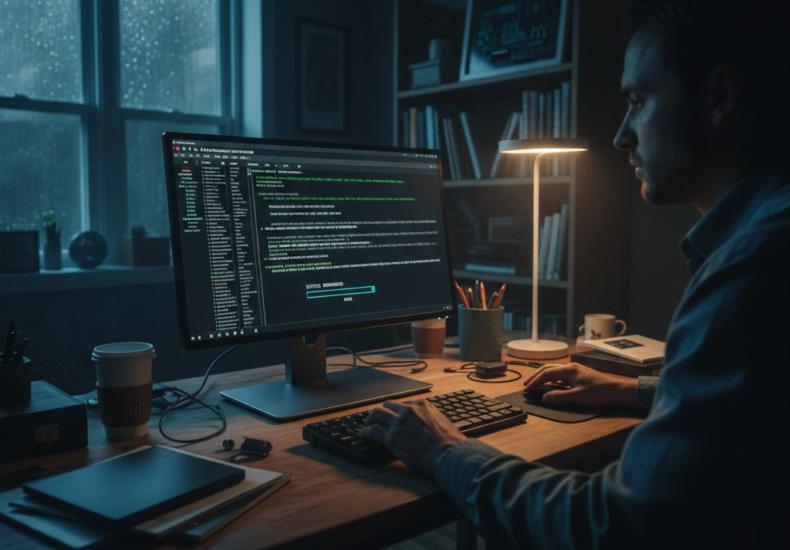
Command-line tool quickly removes Apple Intelligence from macOS 27 as reflected on by Canon Eleanor Wright
A curious notice crossed my desk this morning. The technological press reported on a small, enterprising piece of software. It permits computer users to purge their operating systems of baked-in artificial intelligence. This recovers a dozen gigabytes of digital space. Outside my study window, Christ Church choir stalls remain quiet. Yet the town square already fills with students and tutors. They clutch laptops, navigating a dense thicket of digital prompts, summaries, and predictive nudges. Someone felt compelled to write a digital broom. Its purpose: to sweep away an uninvited synthetic presence. This says a great deal about our current cultural condition. This act to remove Apple Intelligence mirrors a deeper spiritual need.
Modern commercial culture presumes inevitable accretion. We constantly hear assurances that every algorithmic enhancement represents self-evident progress. Predictive text engines and automated assistants arrive pre-loaded. Manufacturers rarely ask if we desire such companionship. They assume abundance, speed, and automation are unimpeachable goods. Users then bear the burden of carving out quietude. They must employ technical ingenuity to achieve this space.
Reclaiming Space: A Spiritual Discipline
The Christian contemplative tradition offers ancient, hard-won wisdom. Voluntary renunciation is necessary. The Desert Mothers and Fathers sought simplicity. They did not despise creation. Rather, they understood an uncluttered soul is prerequisite to genuine attentiveness. To clear away twelve gigabytes of automated apparatus is a modest physical act. However, it mirrors a much deeper spiritual appetite. We yearn to unclutter our interior architecture. Then, we might actually encounter ourselves, our neighbors, and the presence of God. This happens without an artificial intermediary constantly finishing our sentences. This echoes the desire to remove Apple Intelligence from our digital lives.
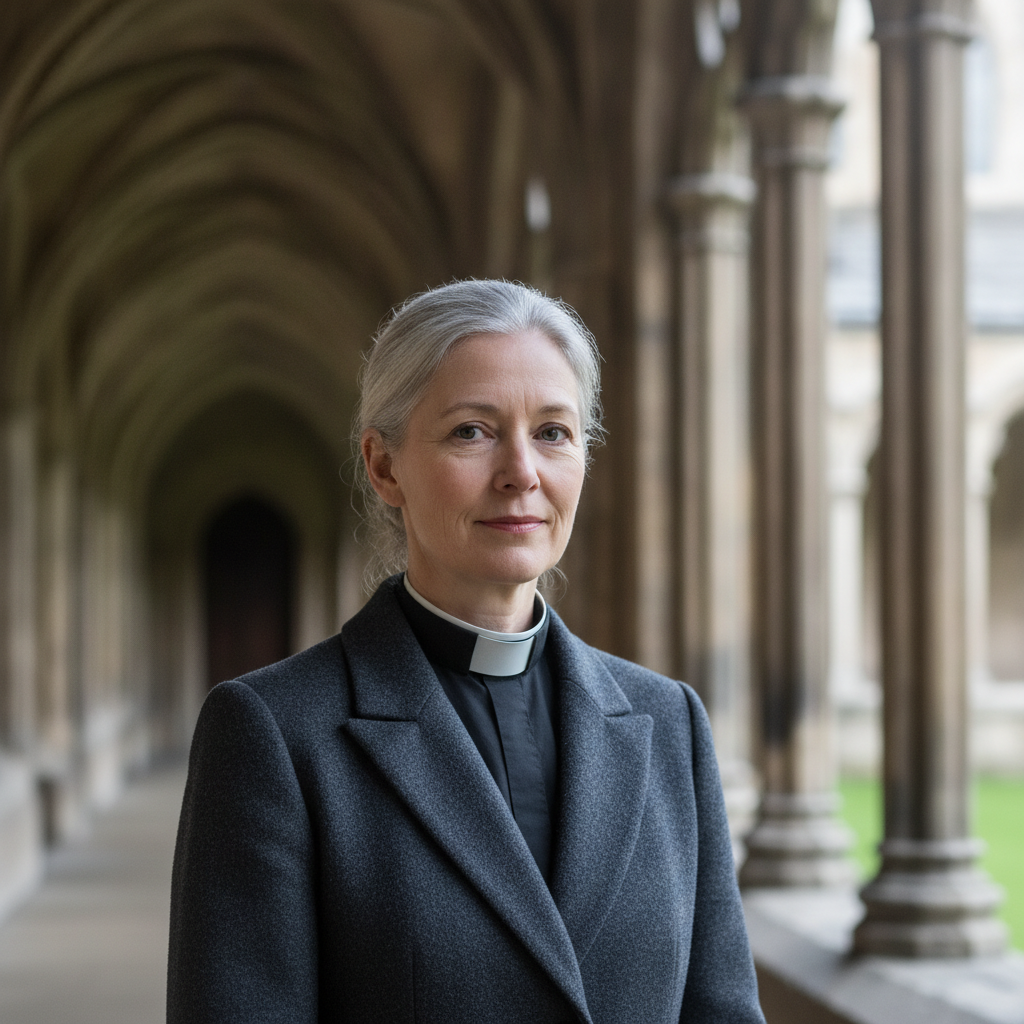
As a parish priest, I regularly sit with students and scholars. They confess an exhaustion born not of intellectual labor, but of constant cognitive intrusion. Our instruments ceaselessly anticipate our thoughts. This subtly short-circuits the slow, agonizing, and holy work of moral discernment. Good thinking requires friction. It demands awkward silence between thought and word. It needs patience to sit with an unanswered question. Humility to draft an idea clumsily also helps. Only then do we discover what we actually believe.
Digital Housecleaning and Moral Stewardship
This digital housecleaning also holds an ethical dimension. It touches upon institutional trust and personal stewardship. Corporations unilaterally commandeer significant storage space. They also consume computational energy for systems we did not request. Our relationship with our own tools becomes subtly alienated. We cease to be stewards of our immediate environment. We become passive custodians of corporate ambition instead. Reclaiming that space, however small the gesture, reminds us of something vital. Human agency cannot be delegated to an ambient algorithm. To do so surrenders a portion of our moral responsibility.
The parish calendar tethers us to rhythmic cycles of self-examination and renewal. It reminds us that true growth often comes by subtraction, not addition. The command-line utility that uninstalls artificial intelligence is a contemporary instrument of ascetic discipline. It acknowledges human flourishing is not measured by synthetic capability volume. Instead, it thrives on our capacity to deliberate, write, pray, and dwell in unmediated clarity.
The evensong bell begins its familiar cadence across the quadrangle. It calls our community away from screens. It invites us into shared breath and sung prayer. I find myself quietly grateful for that small act of digital refusal. We do not need our machines to supply our wisdom or synthesize our prayers. We need the grace to inhabit our own finitude. We must clear the temple of our attention. Finally, we must preserve space for that which is genuinely human and divine.
Leave a Reply