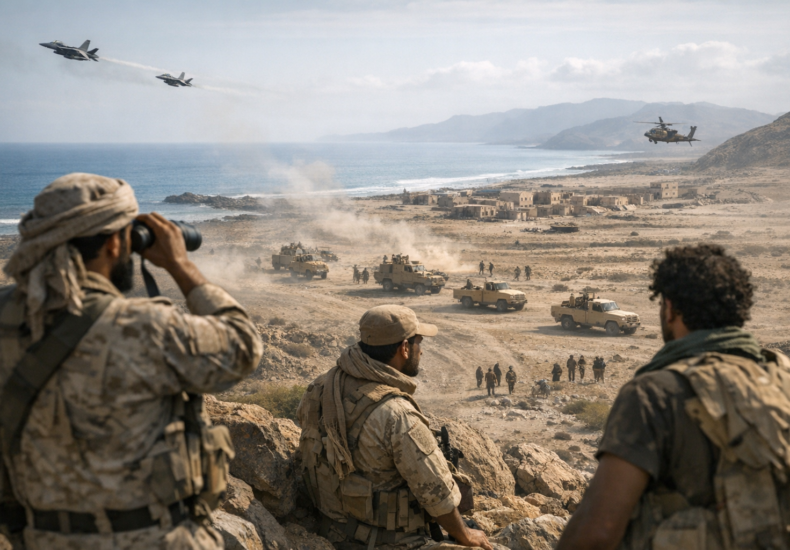
Saudi-backed forces recapture key areas around strait from Houthis in Yemen as reflected on by Father Nicholas Vasilios
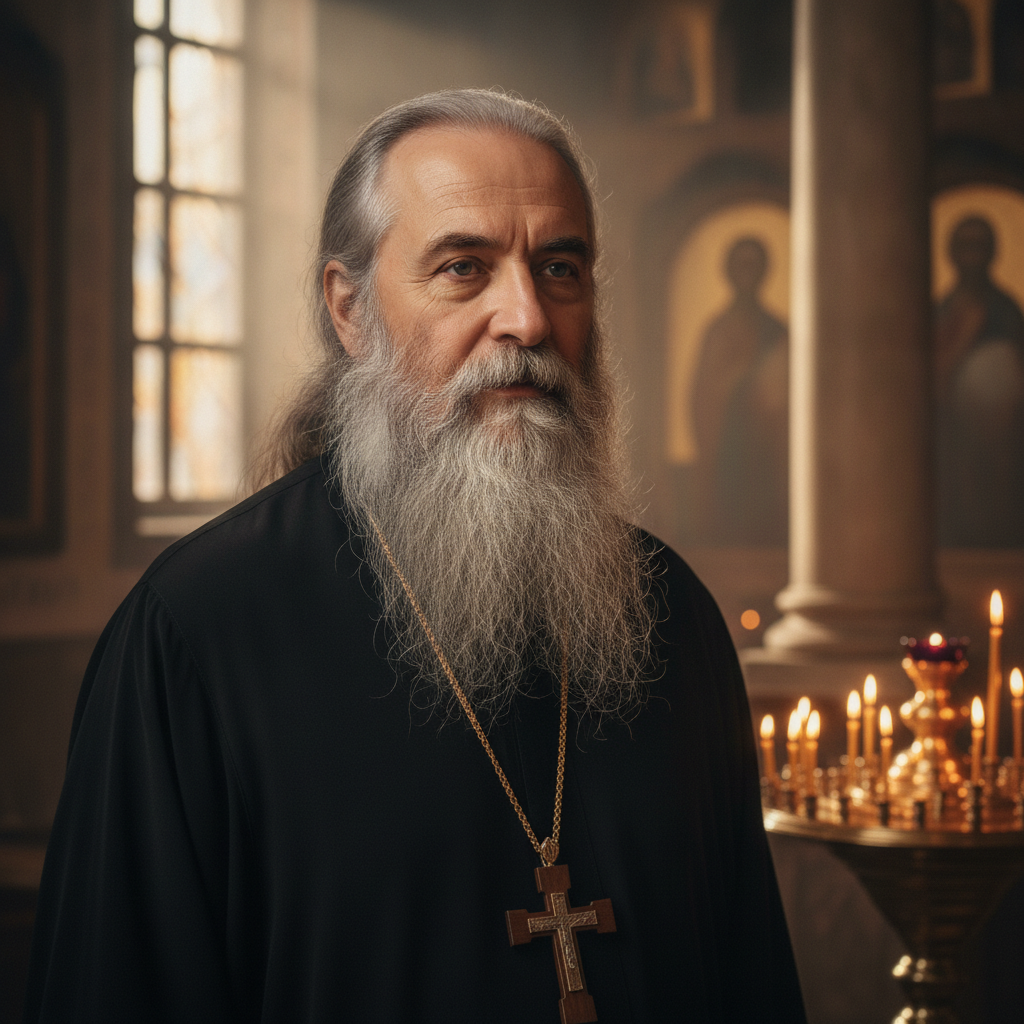
Before dawn, the tide turns against our pier’s pilings. Salt, cold diesel, and wet pine fill the harbor. Fishermen from Holy Trinity Cathedral quietly board their trawlers. They cast lines into the dark Atlantic waters. From the high altar windows, I often watch their running lights disappear. Every mariner understands a narrow passage demands reverence and dread. You do not conquer a strait; instead, you navigate it with vigilance, sobriety, and fear of the deep. Water allows no arrogance. Indeed, the sea remembers every wreck that tried to master her currents. This understanding deeply informs my view of the current Yemen strait conflict.
Navigating the Gate of Tears
Far from our foggy docks, armies clash along another shoreline. They fight for dominion over Bab al-Mandab, the Gate of Tears. News reports speak of recaptured territory. Tanks roll through salt-bitten coastal settlements. Coalition arms secure strategic choke points. Modern statecraft views this ancient water passage as merely a commercial artery. It is a conduit for oil, steel, and manufactured cargo. These goods must flow unhindered to sustain global appetites. Consequently, land and sea are stripped of their divine sanctity. They become chess squares on a desert board. Empires spend human lives there to purchase temporary leverage.
However, the strait’s ancient name reveals a deeper truth. It speaks more powerfully than any military communique. Sailors and mourners, not war planners, christened it the Gate of Tears. They knew the peril of those reefs. They understood the grief of mothers whose sons vanished beneath the waves. How tragic that our fallen race continues to justify the name through bloodshed. In Dhubab and Hadeid’s desert towns, artillery replaces the quiet rhythm of tides. Brother lifts hand against brother in an unending cycle of reprisal. When power speaks only in fire and steel, it brings no true victory. It only creates fresh graves along the shore. This ongoing Yemen strait conflict truly reflects that sorrow.
The Inner Civil War and True Victory
Our Patristic heritage teaches that all external violence spills from an inner civil war. The passions, our unchecked greed, our thirst for primacy, and our terror of vulnerability, rage within the human heart. They rage like an untamed gale. St. James warns us that wars and fights come from the desires for pleasure warring in our members. Rulers demand mastery over shipping lanes and borderlands. They mistake outward domination for genuine security. They build walls of iron upon water. Yet, they forget that worldly triumph is vapor, vanishing with the morning mist.
True victory does not arrive when tanks occupy a shattered village. It does not come when one armed faction pries a strait from another. In Christ’s eyes, the crucifixion of pride constitutes the only enduring conquest. This is the arduous, hidden work of metanoia. It means turning the mind from predatory conquest toward holy repentance. Humanity must cultivate interior stillness, the hesychia that quietens wrath. This reveals the image of God in one’s enemy. Otherwise, we will continue turning every paradise into an armed camp. We will sacrifice the poor on altars of commerce and vanity.
Tonight, I stand before the iconostasis. I listen as the harbor bell chimes through the rising wind. I offer prayers for Yemen’s people. I pray for children sheltering in rubble. I pray for soldiers dying in the sand. Furthermore, I pray for fishermen whose nets remain empty because of warships’ thunder. The sea belongs to the Lord, for He made it. His hands formed the dry land. Until we learn to tread upon this earth as stewards, not conquerors, our passages will remain gates of tears. They will wait for the peace that no human weapon can ever bestow. This peace transcends any outcome of the Yemen strait conflict.
Leave a Reply