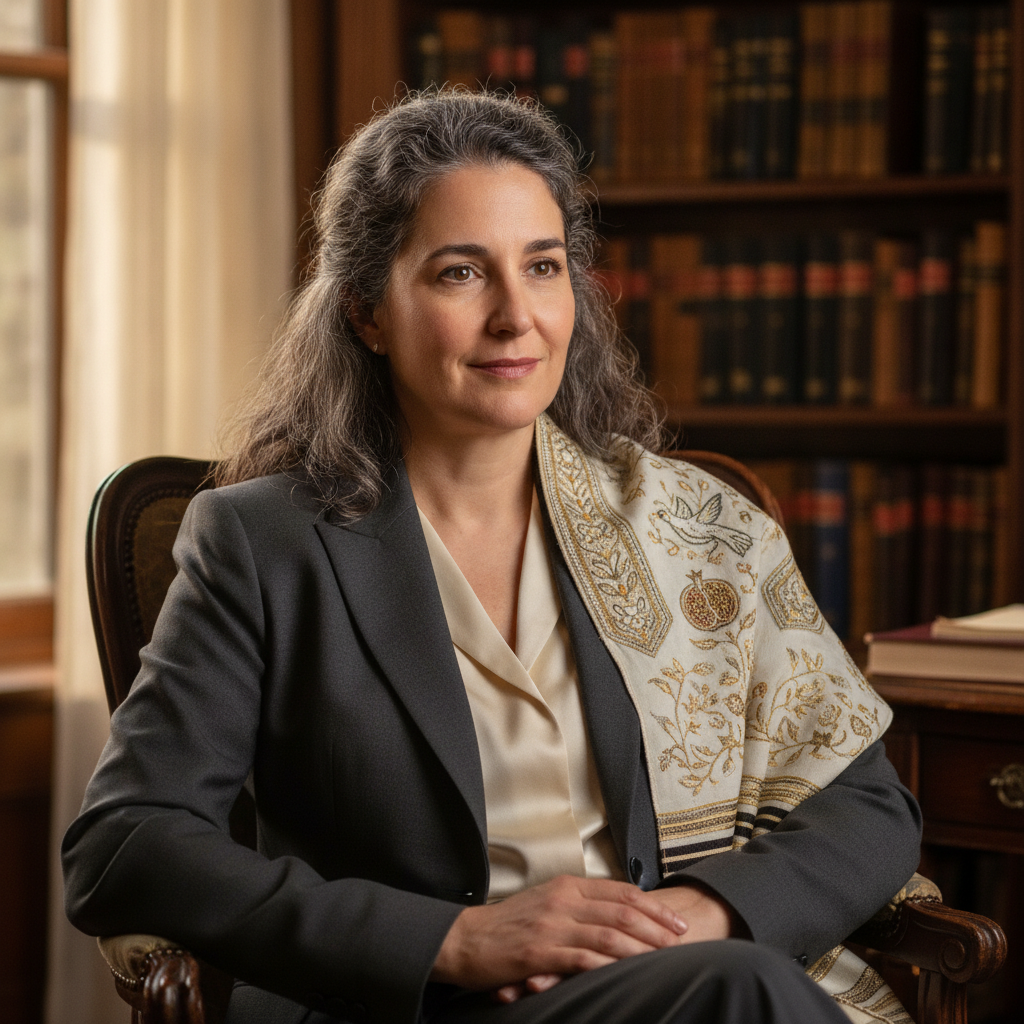
Far right on the march and Lula’s failures: key drivers of Flávio Bolsonaro’s Brazil surge as reflected on by Rabbi Miriam Levin
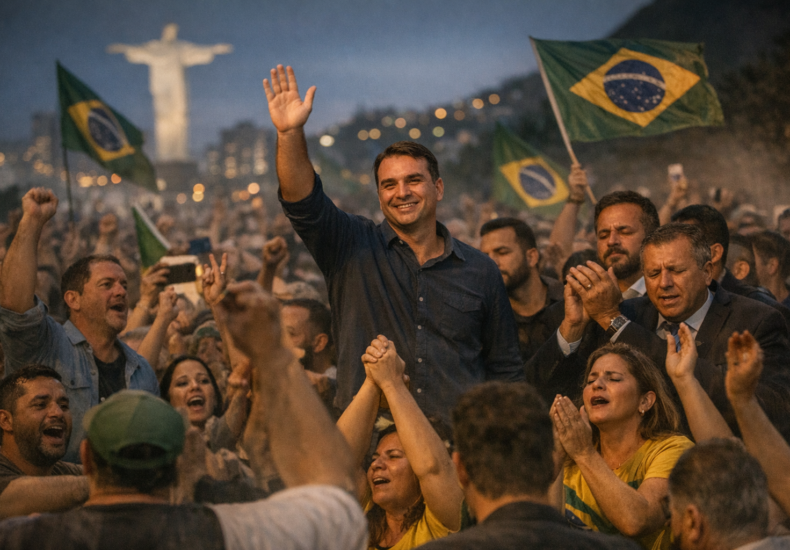
Watching Brazil’s political pendulum swing carries a familiar ache. Anyone who studies human leadership’s rise and fall understands this feeling. In Rio de Janeiro, crestfallen progressives lamented an excruciating setback. They chanted for an aging leader to turn the tide. Meanwhile, a surge of conservative energy carried Flávio Bolsonaro forward. Evangelical congregations and widespread disillusionment with the incumbent government bolstered this shift. What strikes me is not merely the shifting electoral balance, but the recurring human vulnerability preceding it. People instinctively pin communal salvation onto singular personalities. They forget enduring covenantal responsibilities. This contributes directly to Flávio Bolsonaro’s Brazil surge.
Our Jewish tradition deeply suspects consolidated personal authority. The Israelites demanded a king in the book of Samuel. The prophet plainly warned them about the steep cost. They would surrender civic agency to one man. Kings inevitably age, falter, and become insulated by power. The Talmud in Tractate Horayot reminds us: even the most righteous judge or monarch can sin. This happens through inadvertence or pride. A movement resting its entire moral vision on one solitary figure builds its foundation on shifting sand. Therefore, leadership in a healthy commonwealth must be diffuse. It must also be accountable and willing to cultivate successors.
The Illusion of Strongmen and Flávio Bolsonaro’s Brazil Surge
Here in Highland Woods, I meet with congregants and neighbors. We also collaborate across the multi-faith council. I often see this same weariness. People crave easy anchors in turbulent times. They want strongmen promising swift retribution against corruption. They also desire beloved patriarchs, hoping these figures will shield them from hard realities. Yet, both impulses bypass the slow, demanding labor of mutual obligation. An eighty-year-old leader might refuse to yield space. An opposition movement might harness religious fervor solely to capture state power. Consequently, the broader moral landscape suffers. Faith becomes a weaponized electoral cudgel. It ceases to be a prophetic conscience holding all rulers to account.
The evangelical churches helped propel this political shift in Brazil. They speak to a profound hunger for communal belonging, order, and dignity. Secular institutions often neglect these needs. Political elites easily dismiss religious gatherings as mere reaction. However, this misreads the human heart. People gather where they feel seen, supported, and morally anchored. Democratic leaders must deliver basic security, economic fairness, and tangible hope. If they fail, a spiritual vacuum will inevitably form. Those offering clear boundaries and righteous certainty will fill it. This often pairs with hard-edged nationalism.
Covenantal Life and True Community Repair
In our own community work, we frequently speak of Tikkun Olam. This is the sacred task of repairing a fractured world. True repair cannot be achieved through the ballot box alone. Furthermore, it cannot survive if it depends on a single elder’s charismatic longevity. Covenantal life demands much more rigorous commitment from us. It requires an intergenerational commitment. Seasoned elders must intentionally mentor the young. They prepare them to shoulder the burden of justice. A generation of leadership clinging to its pedestal, whether from fear or pride, denies the community its future.
Adapted football chants echo in Rio’s streets. They reflect the grief of people realizing their champions are mortal. Yet, grief can become the beginning of wisdom. It can lead to honest self-examination. In our prayers, we daily remind ourselves not to place absolute trust in princes. Mortals simply cannot save. Political leaders are stewards, not messiahs. When they fall short, our task is clear. We must not sink into despair or double down on nostalgia. Instead, we return to foundational work. We build resilient neighborhoods. We speak truth across divides. We demand humility from everyone who aspires to govern.
Leave a Reply