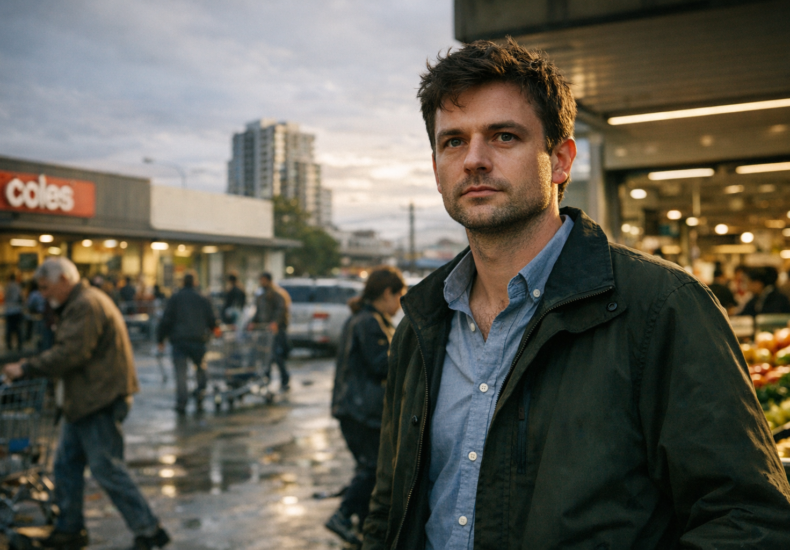
Greens pitch Zohran Mamdani-style $25.1bn plan to nationalise 200 Coles and Woolworths supermarkets as reflected on by Father Raymond Connolly
Every Tuesday morning, our parish hall opens its basement doors. We distribute pantry boxes to families along the river. Long before the morning bell rings, an anxious line forms on the gravel lot. These are retirees whose pensions failed. They struggle with rising costs. They are retired foundry workers. Young couples also work two jobs. They just try to keep milk and oatmeal on the table. I read about political battles far across the globe in Australia. Leaders there debate spending billions to place hundreds of commercial grocery storefronts under public ownership supermarkets to break corporate monopolies. This proposal sounds distant. However, the underlying wound is identical to the one bleeding right here in our valley.
For decades, our community has watched the market. It treats basic food not as a sacred necessity for human flourishing. Instead, it acts as an extractive enterprise. Corporate consolidation drives prices too high. Honest labor cannot afford them. Consequently, society’s moral contract fractures. In the Catholic tradition, the goods of the earth possess an inherent universal destination. God created the earth and its abundance long before men drafted laws of contract or private profit. He intended it to sustain all His children without exception. Private property remains a legitimate right. However, our social teaching consistently reminds us. It is never an absolute or unconditioned right. It carries an indelible social mortgage.
Addressing Food Insecurity: Public Ownership Supermarkets
Whether public ownership of two hundred supermarket sites offers the precise prudential remedy remains a matter for economists and civil legislators to debate. Honest Christians of goodwill may disagree. They might question if state-run stores or local cooperative networks best serve the common good. What cannot be dismissed, however, is the catastrophic suffering. This suffering occurs when vital distribution networks become oligopolies. They focus on maximizing shareholder yield. Meanwhile, ordinary mothers calculate pennies at the checkout register. When the daily bread of the poor becomes a speculative commodity, statecraft has a legitimate moral duty. It must intervene on behalf of the vulnerable.
In our sacramental theology, bread is never merely fuel or merchandise. In the sacrifice of the Mass, we take humble grain. This grain is the fruit of the earth and the work of human hands. We offer it up to become the very vessel of divine grace. Because bread carries this sacred weight at the altar, the physical bread on a family’s supper table shares in that dignity. Access to basic nourishment is sometimes choked off. Predatory margins or unchecked corporate concentration cause this. This situation offends human dignity. Furthermore, it insults the quiet labor of farmers, warehouse workers, and shelf stockers. They make the harvest possible.
From Charity to Structural Justice
The Australian proposal draws inspiration from municipal grocery initiatives in New York. It points to an awakening conscience regarding economic concentration. It acknowledges a crucial truth: when private cartels fail to feed people fairly, society must explore fresh structural remedies. True solidarity cannot simply remain a matter of private charity. Our church basement will keep handing out canned vegetables and day-old bread with love every Tuesday. Nevertheless, we must not confuse emergency relief with structural justice. Charity binds the wounds of the bruised traveler. Justice, however, demands that we inspect why the road has been overrun by thieves.
As we pray the words taught to us by our Lord, we say, “give us this day our daily bread.” We do not say, “give me my daily bread.” The prayer is communal by its very nature. It binds every believer to their neighbor’s welfare. Any economic order that treats the distribution of daily sustenance as a battlefield of ruthless leverage forgets its fundamental reason for existence. It should be a vital public service. We must pray for our civil leaders. They need the courage to subordinate commercial power to the common good. This ensures no child goes hungry simply because a corporate balance sheet demanded another point of margin.
Leave a Reply