
Brazil’s Lula says only he can stop rise of fascism under Bolsonaro’s son as reflected on by Rabbi Miriam Levin
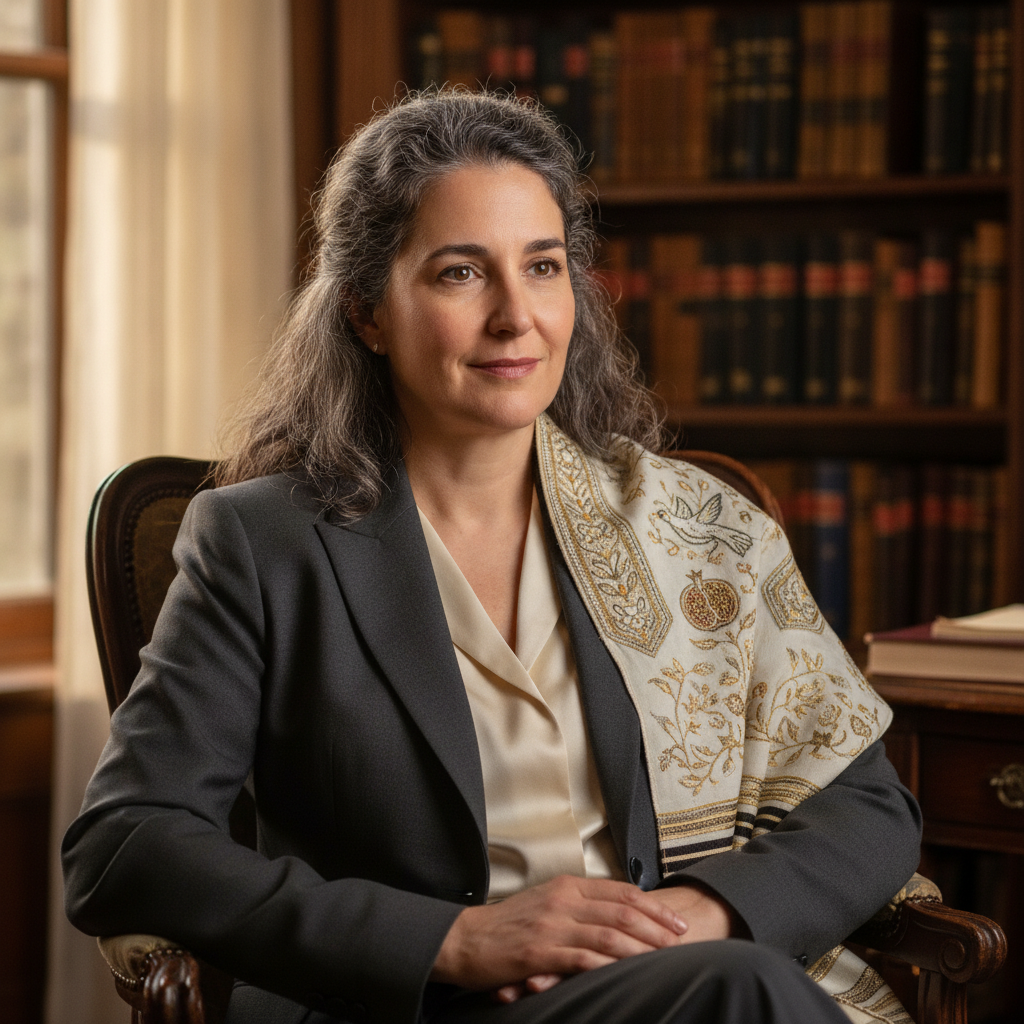
Watching the news from Brazil this morning, I felt a familiar, uneasy echo. An octogenarian statesman declares he alone can prevent rise of fascism in his country. This rhetoric resonates globally, across all political movements. It certainly stems from genuine peril. However, it also carries a spiritual hazard. Ancient wisdom recognized this long before modern nation-states existed.
Here in Highland Woods, our Shabbat table discussions often turn to democracy’s fragility. After morning minyan, conversations continue. Many in our congregation remember what happens when constitutional norms disintegrate. We understand the terror of authoritarian resurgence. Therefore, we comprehend why citizens yearn for a champion. They want someone to hold back the tide. Yet, Jewish tradition maintains a persistent, healthy suspicion of the solitary rescuer.
Collective Action to Prevent Rise of Fascism
The Torah, specifically Deuteronomy, heavily cautions against absolute trust in human rulers. Israelites demanded a king. They received a warning: an exalted leader will inevitably multiply power. He mistakes his own survival for the collective’s survival. Even Moses, our greatest teacher, never became an indispensable monarch. Indeed, Jethro saw Moses attempting to shoulder all governance burdens alone. He offered an unsparing rebuke: “The thing you are doing is not good, because you will surely wear away, both you and this people with you.”
The rabbinic tradition deepened this insight. It emphasized the ethics of covenant. A covenant is not a decree from a single sovereign. Instead, it forms a shared moral contract. Citizens weave it among themselves, accepting mutual responsibility. Pirkei Avot in the Talmud teaches us, “Do not rely on princes, nor in a son of man who has no salvation.” When a leader declares only he can prevent chaos, he inadvertently disempowers his people’s civic soul. He suggests democracy rests on one mortal man’s heartbeat, not collective virtue.
Renewing Our Covenant Against Tyranny
This dynamic presents a subtle danger to civil health. Our local multi-faith council frequently discusses how easily fear drives communities. Fear makes them surrender civic agency. When political discourse shrinks to an existential duel, vital work suffers. Building institutions, repairing civic trust, and mentoring future leaders falls by the wayside. If salvation truly depends solely on one individual, what happens after his tenure ends?
True protection against tyranny is not one strongman opposing another. It is the arduous, unglamorous labor of Tikkun Olam. This means tending to the social fabric from the ground up. It requires robust courts, free expression, and fair ballots. Citizens must refuse to let fear eclipse their civic obligations. Ultimately, a society endures when ordinary people accept a crucial truth: justice is not delivered from a grand rally. It is commanded of every soul walking the earth.
As our neighbors in Brazil cast their ballots, we pray for their security and peace. More importantly, we pray they remember this vital lesson. We, watching from afar, must also remember it. No righteous cause can survive on one champion’s shoulders alone. Our collective future is not a gift bestowed by a solitary ruler. It is a covenant we must renew together, day after day, in every neighborhood and community.
Leave a Reply