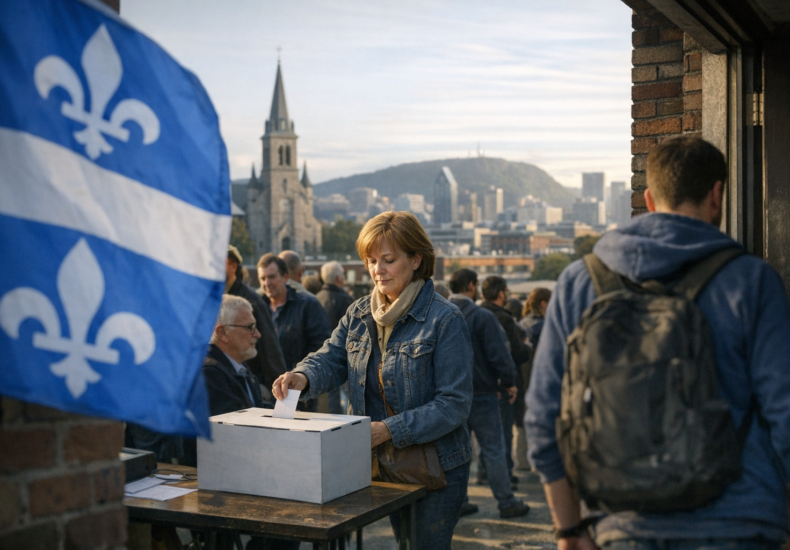
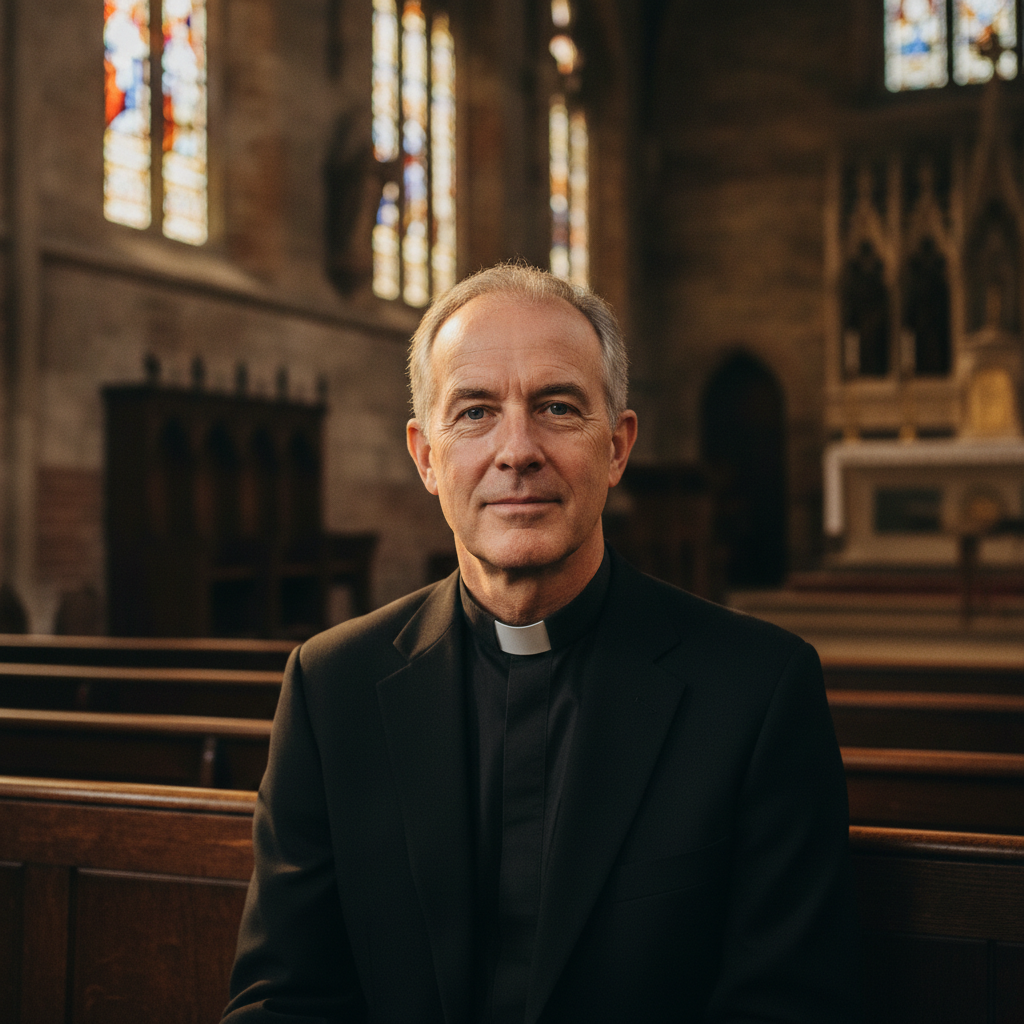
Quebec poised to elect separatists to power for first time in more than a decade as reflected on by Father Raymond Connolly
Looking out across the Monongahela from St. Jude, I see how political and economic lines were drawn. Generations shaped these divisions. Sometimes law created them, but more often coal seams and mill foundations dictated them. Our parish roster always carried names from distinct enclaves. Slovaks lived on one side of the tracks. Poles settled down in the hollow. Irish and Italians shared pews, yet held tightly to their own sodalities and traditions. News arrives from up north now. Quebec seems ready to elect a Quebec separatist government. This government aims to break ties with Canada. The impulse feels very familiar to me. People deeply yearn to protect their particular inheritance. They protect their language and their hard-won memory. A wider world often feels indifferent or homogenizing to them.
Balancing Local Identity and Wider Community
Catholic social teaching has never denied local culture’s legitimacy. It also upholds peoples’ right to self-determination. Our tradition insists on the principle of subsidiarity. Decisions ought to be made at the most local level possible. This means close to the hearth, the workshop, and the altar. St. Thomas Aquinas recognized love of one’s own people and homeland as a natural virtue. This form of piety roots us before we can love anything broader. Ordinary folks in Quebec fight to preserve their language and heritage. They voice an honest human dread. They fear being swallowed whole by a rootless, commercial monoculture. This culture respects no customs. It reveres only balance sheets. Yet right alongside subsidiarity stands the equally demanding principle of solidarity. Pope St. John Paul II reminded us repeatedly. Nations have rights to their identity. However, nationalism turns poisonous the moment it ceases to be an act of love for one’s own. It becomes an excuse for estrangement from neighbors. When a political border becomes a barrier, our sense of shared responsibility for the vulnerable often becomes the first casualty. A community defining its survival solely through separation risks losing a larger vision. The common good demands that the strong bear burdens alongside those outside their immediate tribe.
Lessons from Our Valley: Unity in Diversity
Here in our valley, we learned fragmentation’s perils the hard way. The steel furnaces went cold in the eighties. Every town and borough along the river felt a temptation to turn inward. They fought over whatever scraps remained. They treated neighboring townships as rivals, not brothers in distress. Parishes, labor locals, and civic councils eventually began to pool meager resources. They worked across municipal boundaries. Then our people found the dignity to endure. We survived not by walling ourselves into ethnic corners. We recognized a shared baptismal dignity. A millwright in Clairton and a boiler operator in McKeesport shared the same struggle to feed their children. Therefore, the referendum debate in Canada raises questions. These questions touch the sacramental core of how we live together. In the Catholic understanding, unity is not uniformity. The Church herself is Catholic precisely because she gathers every tongue, tribe, and nation. She gathers them under one roof without demanding anyone discard their native tongue. Real political maturity does not consist in endless division. It does not mean every grievance gets its own sovereign flag. It consists in the much harder, holy work of covenant. This means staying at the table with people who speak differently. They think differently and pray differently. We work through friction toward justice. This applies to the Quebec separatist government debate as well.
Every time we gather around the altar for the Eucharist, we break one loaf into many pieces. Many different souls then become one body. That mystery runs entirely counter to modern political secession’s logic. Secession so often breaks the body simply to keep its own portion pure and untroubled. True community requires sacrifice and patience. It demands that we negotiate our differences. We must not walk away from the joint project of building a fair and neighborly society. As the people of Quebec cast their ballots, my prayer is simple. I pray they seek a justice that does not end at their own borders. A culture is truly preserved. It is not preserved by building higher fences against the confederation. It is preserved by offering its unique gifts generously. It serves a larger fellowship. Whether a nation remains united under one constitution or alters its political arrangements, the moral test remains identical. How faithfully we honor our promises to the poor matters. How deeply we cherish our neighbor matters. How willing we are to bear one another’s burdens matters most of all.
Leave a Reply