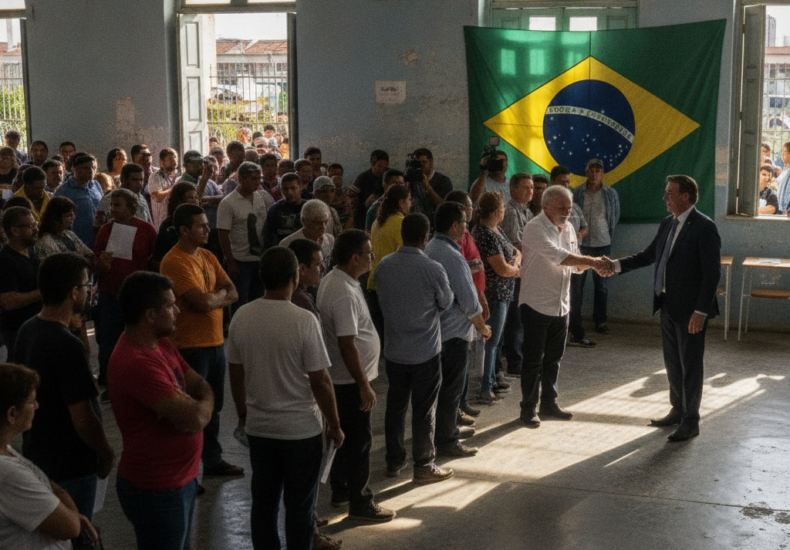
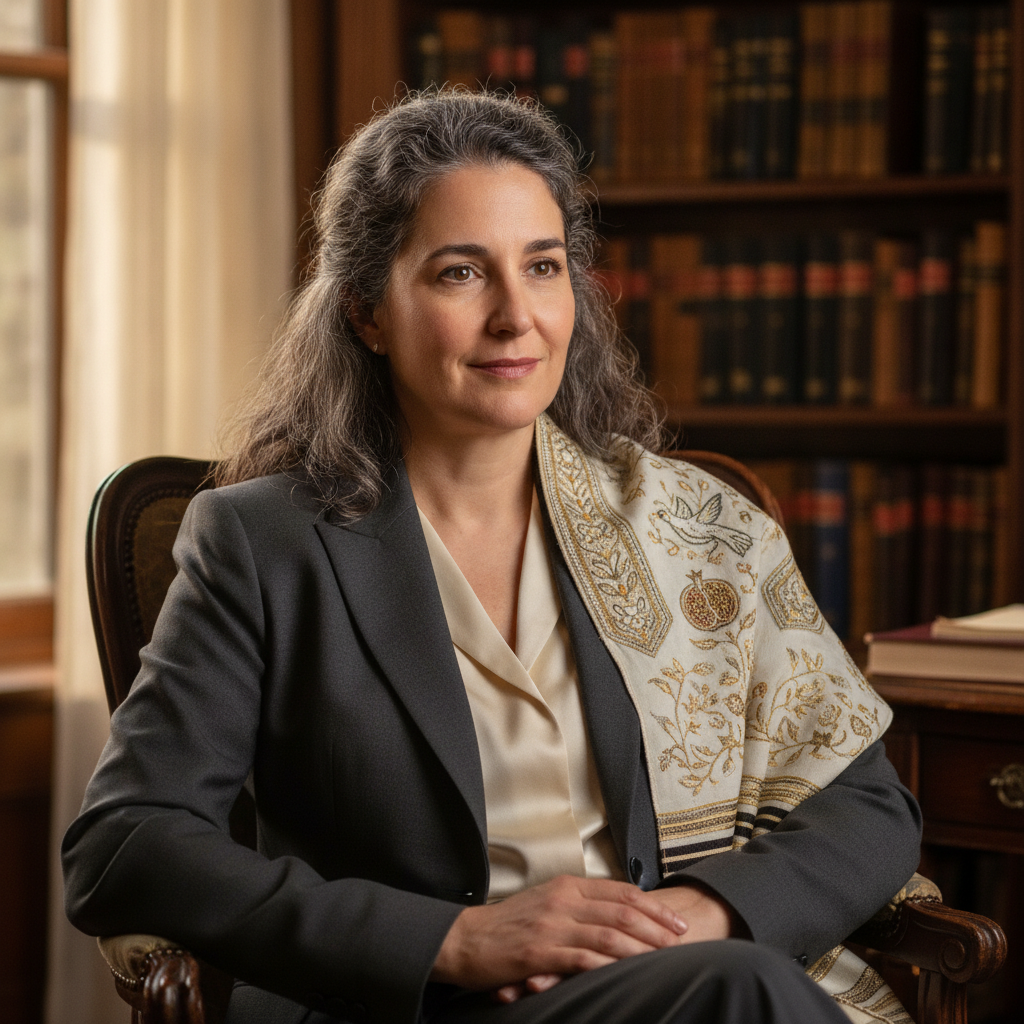
What to know about Brazil’s election pitting Lula against Flávio Bolsonaro as reflected on by Rabbi Miriam Levin
Watching the news of Brazil’s election unfold brings a familiar ache, even thousands of miles away here in Highland Woods. Headlines describe a nation split cleanly down the middle. Luiz Inácio Lula da Silva and Flávio Bolsonaro personify two starkly divergent paths. Modern political campaigns often distill complex hopes into an adversarial binary. This endangers something essential about human community. Our own suburban congregation, for instance, sees families navigate sharp ideological disagreements across Shabbat dinner tables. We recognize the spiritual exhaustion that accompanies such polarization.
Jewish tradition has always understood political leadership as an ethical test. It is not merely a transactional contest. The Torah, in the Book of Deuteronomy, places strict boundaries upon those who hold power. A ruler must not multiply wealth, horses, or power for personal gain. Furthermore, they must continually read the law to remain humble among their kin. The rabbis of the Talmud took this further. They warned that governance exists to preserve the dignity and safety of the vulnerable. It should not feed the ambitions of rival dynasties. When elections become arenas of existential warfare, the primary responsibility of leadership, public service, and collective welfare, easily eclipses. Instead, the raw instinct to vanquish an opponent takes over.
Ethical Leadership in Brazil’s Election
Rabbinic wisdom presents a profound concept: machloket l’shem shamayim. This means an argument conducted for the sake of Heaven. The historic debates between the school of Hillel and the school of Shammai offer a classic model. Their disagreements were vigorous, passionate, and unresolved for generations. Yet, they treated each other with profound respect. They even allowed their children to intermarry. The Talmud explains why legal decisions ultimately followed Hillel. It was not because their logic was inherently superior. Rather, they were humble. They taught the opposing viewpoint before their own. They listened deeply. Modern electoral politics rarely rewards this kind of humility. Without it, however, a society slowly loses the ability to view neighbors as fellow citizens. Instead, they become existential threats.
As Jews, we commit to the ongoing work of Tikkun Olam, repairing our fractured world. Social repair cannot happen when half of a country perceives the other half as an illegitimate adversary. Whether in South America or in our own communities, democratic elections are fragile vessels. They require more than voting booths. They depend on a covenantal trust that binds us to one another, regardless of who wins the tally. When political campaigns weaponize fear and grievance, they unravel the social fabric. This fabric protects everyone, especially the poorest and most marginalized. Their daily lives depend on stable institutions.
Caring for Community Beyond the Ballot
During our multi-faith dialogues and community gatherings in Highland Woods, I often remind our neighbors about civic health. It is fundamentally a spiritual discipline. It asks us to resist the intoxicating rush of tribalism. It requires us to look at an election result not as total victory or total catastrophe. Instead, it is an ongoing summons to moral accountability. Power will change hands. Terms will end. Political figures will pass from the stage. However, the obligation to care for the stranger, protect the earth, and uphold justice remains perpetual.
Our prayers this week turn toward the people of Brazil. They step into their polling stations. May they be granted leaders who recognize the holiness of every human soul, regardless of party affiliation. Furthermore, may all of us, wherever we reside, find the courage to build communities where truth and peace can embrace. This proves that our common humanity will always be deeper than the political currents that seek to divide us.
Leave a Reply