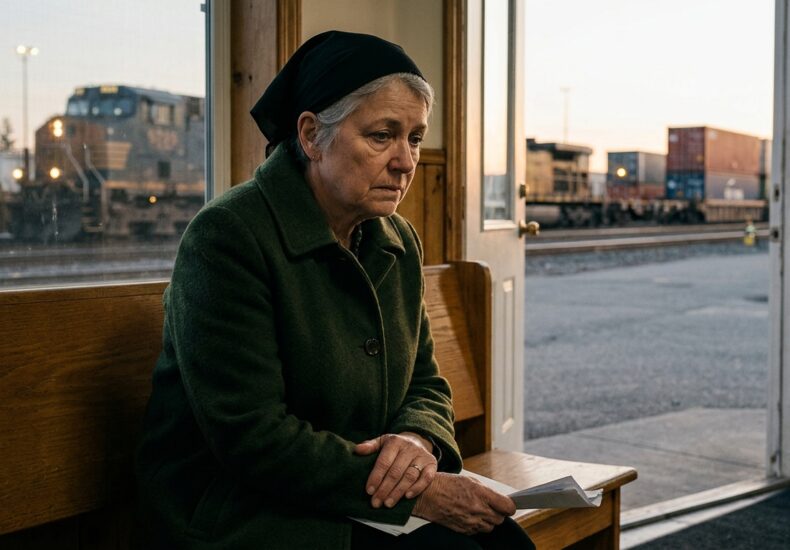
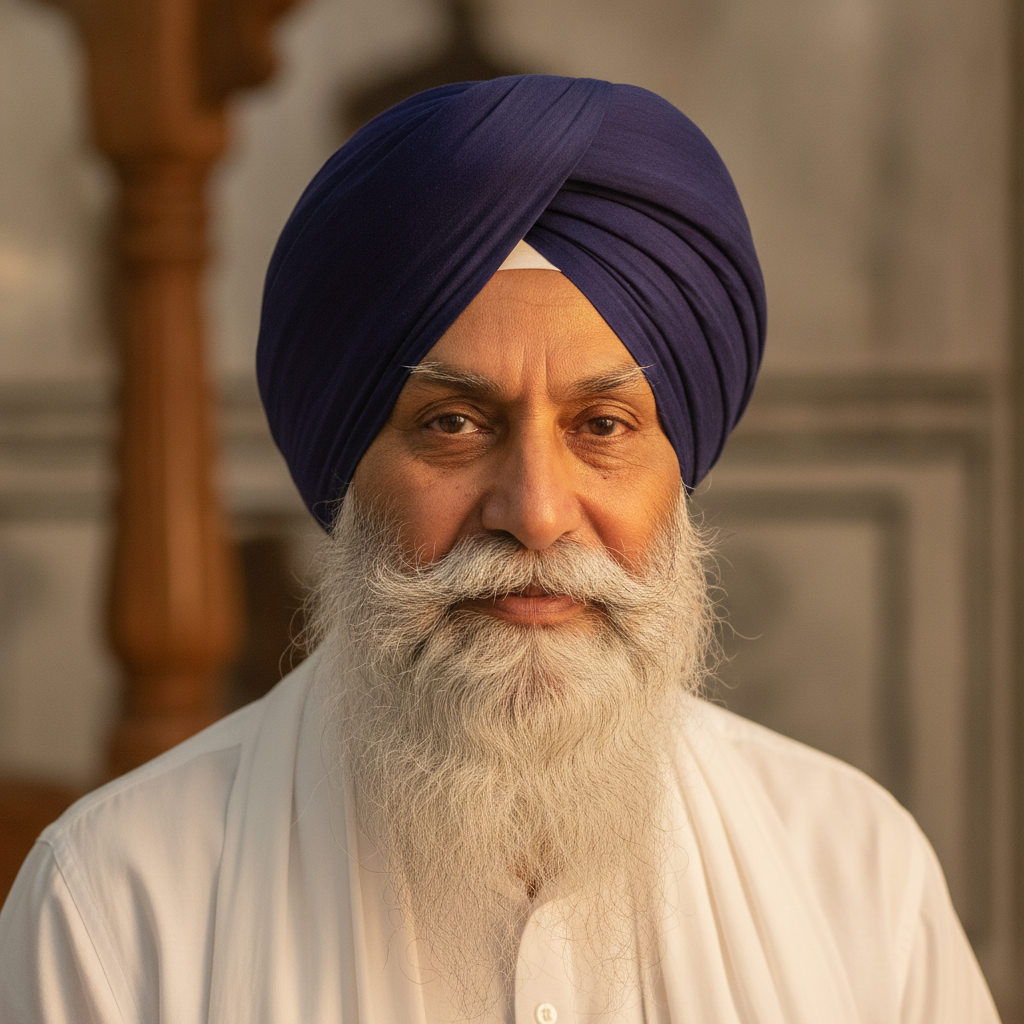
Christa Pike’s prognosis still unclear after failed execution, lawyer says as reflected on by Giani Harpreet Singh
At Gurdwara Sahib Dasvandh, the freight yards hum constantly. Heavy diesel engines pull into our transport corridor day and night. Long-haul drivers step down from their cabs stiff, road-weary, and hungry. In the langar hall, we offer hot dal and fresh rotis to every soul. We never ask where they came from, what load they hauled, or what weight sits on their conscience. News then came across dispatch radios and phones: the state had botched Christa Pike’s execution. Physicians scrambled to flush lethal chemicals from her poisoned body. Consequently, the drivers gathered around the tea urns fell into an uneasy hush. Even in a place accustomed to machinery and measurements, the deliberate, mechanized attempt to extinguish a human breath carries a coldness. This coldness truly troubles the spirit.
Our Sikh tradition teaches us that life is not an administrative asset. Bureaucratic decree cannot audit, balance, or discard it. The Guru Granth Sahib reminds us that every vessel carries the Divine Light, the Jot. This Jot animates all existence. We do not blind ourselves to darkness, nor do we excuse grave violence. The grief and anguish caused by cruel deeds are real. Furthermore, accountability is essential for holding human society together. However, the state assumes absolute mastery over life and death when it terminates that sacred spark. This mastery belongs only to the Creator. When the machinery of punishment stumbles, it exposes the hubris of mortal institutions. They attempt to play God, leaving a human being poisoned between existence and the grave.
Beyond the Failed Execution: True Justice
What occurred in that execution chamber is not justice; it is an industrial failure. Legal ceremony dressed up this failure. Two lethal doses of pentobarbital failed to complete the task. Medical staff then intervened to purge the venom. This entirely collapses the illusion of clean, sanitized retribution. It reveals the grim reality: capital punishment is an act of calculated violence. It remains vulnerable to the same breakdowns and horrors that plague any flawed human endeavor. Society seeks vengeance under the guise of orderly procedure. Yet, it finds itself horrified when the mechanics of death turn visceral, messy, and agonizingly protracted.
True justice cannot merely be an arithmetic of reciprocal harm. Guru Nanak taught us to look upon creation through the lens of Daya, deep compassion, and Dharam, righteous moral order. Dharam does not delight in destruction. Its purpose is to protect the vulnerable, restrain evil, and uphold the integrity of the collective soul. When a society decides that its safety depends upon strapping a prisoner to a gurney and methodically pumping poison into her veins, it degrades its own moral foundation. Retribution that mirrors the brutality it seeks to punish leaves the commonwealth spiritually impoverished. It also blinds us to the possibility of redemption.
Choosing Compassion Over Cruelty
Here along the freight lines, we frequently encounter men and women whose lives have been fractured. Hardship, addiction, anger, and catastrophic choices cause this brokenness. We do not look away from their brokenness. However, we also recognize that as long as breath flows, the capacity for repentance and spiritual awakening remains open. The Guru invites every wandering soul to turn inward. They must confront the ego and seek cleansing through remembrance and selfless conduct. Human authorities claim final judgment over another soul’s destiny by cutting that thread short through state-mandated death. They shut the door that the Divine keeps open until the natural end of days.
Doctors now labor to sustain the very heartbeat that the law commanded them to stop. The sheer absurdity of this spectacle should compel us to pause. It serves as a stark reminder of human power’s limits. Society must have the strength to hold wrongdoers firmly accountable. We must also safeguard the innocent from harm without resorting to state-sponsored execution. Locking away someone to prevent further violence is necessary for order. Killing them, however, is a surrender to fear and vengeance. Tonight, as the langar pots are washed and the night shifts roll through the crossroads, our prayer remains for a world that chooses righteousness over cruelty. We pray for all victims of horrific crime whose pain must never be trivialized. We pray equally for the moral awakening of our courts and legislatures. In Chardi Kala, that rising and indomitable spiritual dignity, we are called to stand for life even when confronted by the deepest shadows. Let us abandon the gallows and the execution needle. Let us instead seek the courage to build a society where justice restores our shared humanity rather than poisoning it.
Leave a Reply