
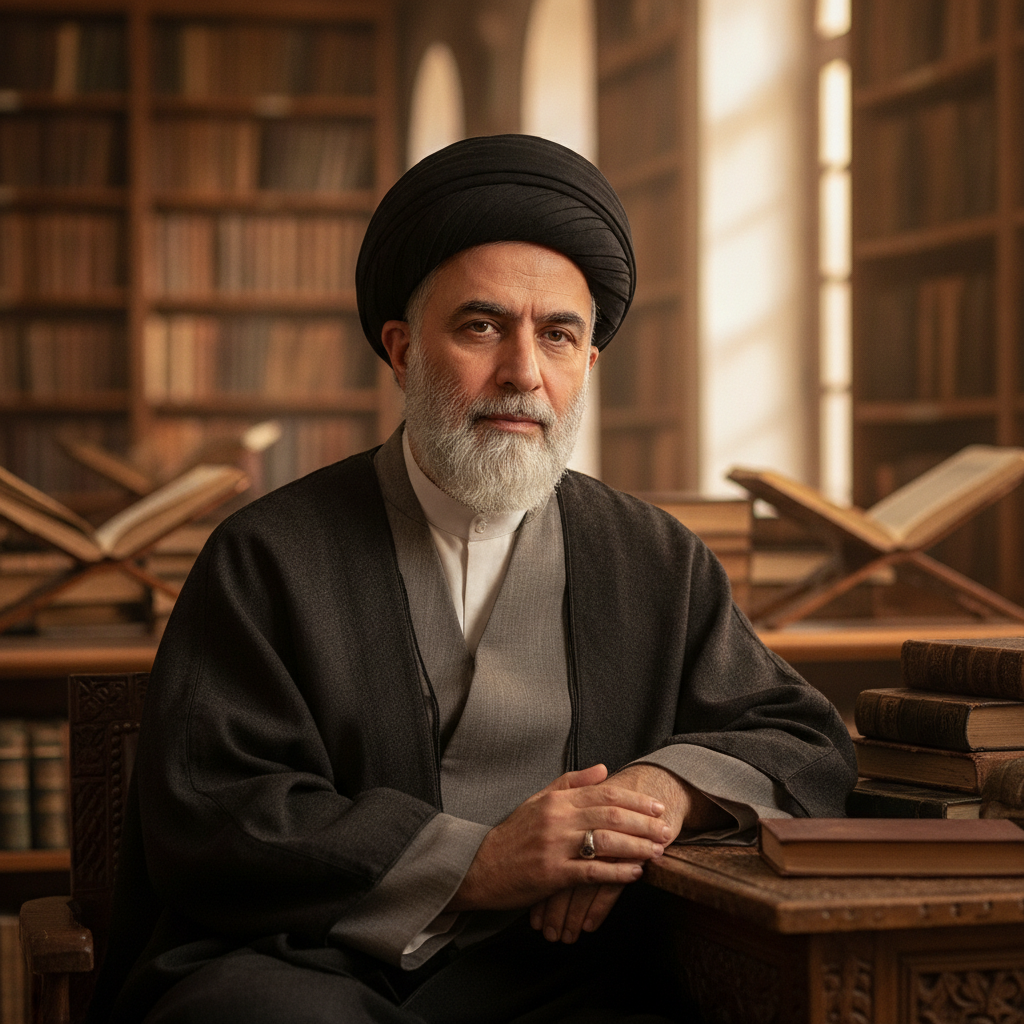
British electric van maker enters administration as reflected on by Sayyid Ali Reza Hosseini
Modern finance often builds castles on desert sand. News that a prominent British electric van maker has entered administration exposes a recurring spiritual dilemma. Markets once valued this company in the billions of dollars. Yet speculative euphoria vanished before the enterprise delivered meaningful public utility. At Bait al-Hikmah, our students constantly ask how moral communities should evaluate technological innovation. Islamic philosophy reminds us that authentic value never arises from abstract financial prestige. True enterprise must root itself in tangible service and moral stewardship.
Consequently, our tradition calls people to practice rigorous self-scrutiny before chasing market illusions. The Ja’fari legal heritage firmly condemns transactions built on deception or sheer speculation. Classical scholars term this harmful ambiguity gharar. When investors trade mere promises without productive reality, economic life suffers severe distortion. Furthermore, working families bear the bitter costs when overleveraged corporations collapse. Leaders therefore carry an urgent obligation to align investment with genuine societal welfare.
Ethical Lessons from the Electric Van Maker Collapse
Furthermore, this financial failure invites profound questions regarding environmental responsibility. Our world desperately needs clean transportation to heal polluted cities. Islamic teachings describe humanity as stewards, or khulafa, upon the earth. God entrusts the natural world to our collective care. Therefore, genuine ecological transformation demands patience, sound engineering, and durable dedication. In contrast, speculative hype treats green technology as a fast route to immense private fortune.
Likewise, moral courage requires us to critique economic models that reward hollow promotion over patient craft. In his timeless letter to Malik al-Ashtar, Imam Ali ibn Abi Talib offered clear counsel on economic governance. He instructed leaders to examine productive output rather than superficial revenue. He warned that prosperity withers whenever administrators seek quick enrichment through unchecked ambition. The sudden demise of the electric van maker confirms that ancient wisdom today.
Restoring Dignity Through Honest Labor
Meanwhile, we must remember the engineers and assembly workers who dedicated their labor to this project. Islam accords the highest spiritual dignity to honest craftsmanship. The Prophet Muhammad taught that God loves the believer who masters a beneficial craft. Therefore, workers deserve stable systems that value their technical devotion. When high finance collapses, administrative boards easily walk away. The vulnerable workforce, however, faces sudden displacement and anxiety.
Ultimately, societies must rethink how they finance essential green innovations. We cannot abandon necessary ecological shifts to reckless financial speculation. Instead, public institutions and ethical investors must champion transparent, productive industry. True progress honors the soil, respects the laborer, and rejects deceptive financial pride. Only through authentic service can our communities build an enduring and just future.
Read the original news coverage on BBC Technology.
Leave a Reply