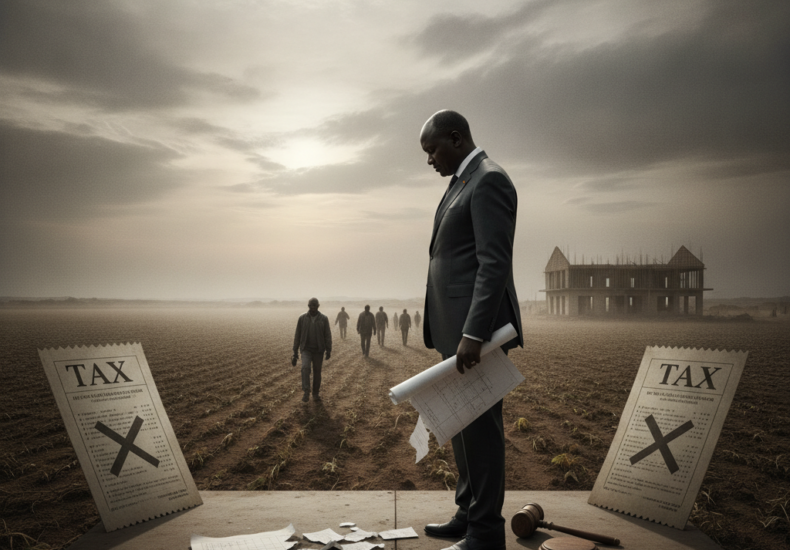
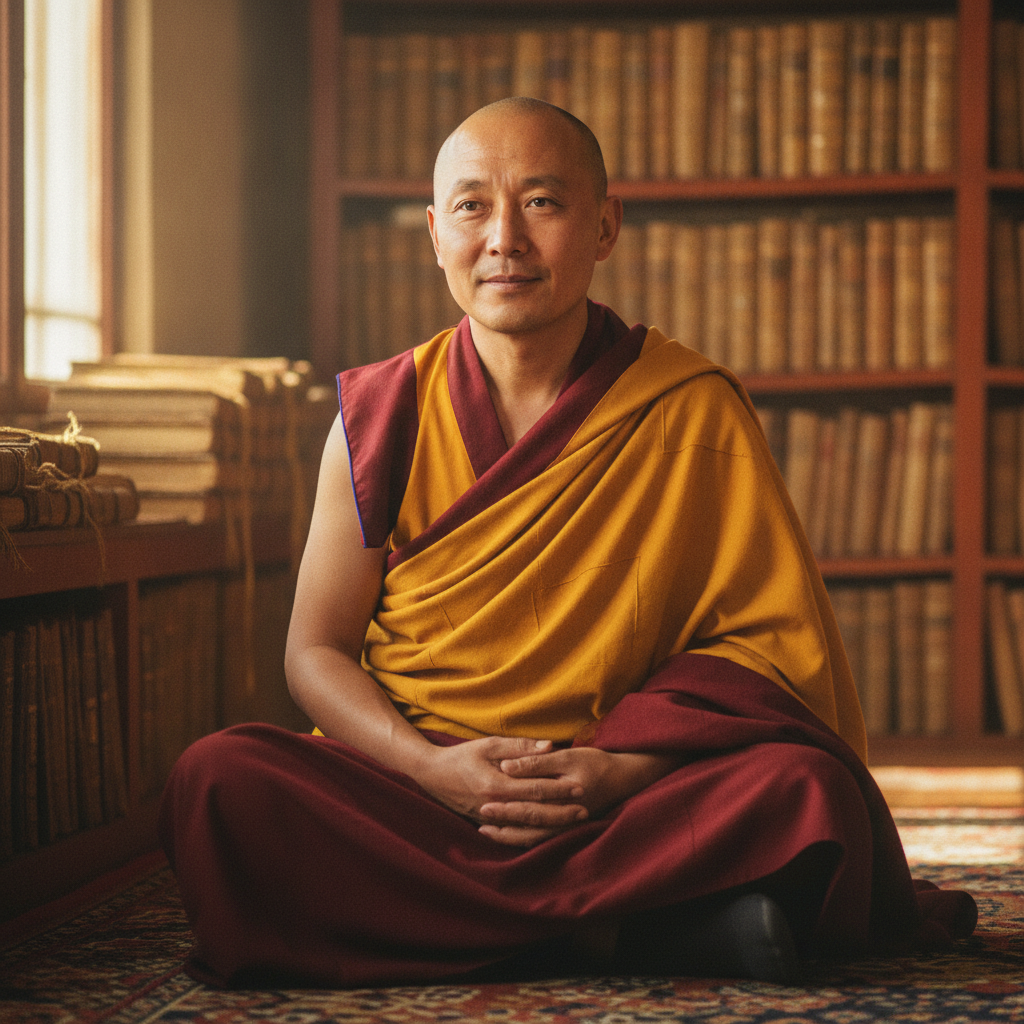
Double whammy for the Kenyan president’s tax plans as reflected on by Venerable Geshe Lobsang Tenzin
Greetings from the Drepung Center. We observe news reports from around the world, like the recent BBC story detailing challenges for the Kenyan president’s tax plans. President William Ruto’s economic agenda faces significant setbacks. This situation offers us a valuable opportunity to reflect on the nature of governance and the human experience through the lens of Buddhist wisdom.
The Impermanence of Plans
We often invest great hope and effort into our plans, whether personal or national. However, the Buddha taught us about impermanence, a fundamental truth of existence. All compounded phenomena, including economic policies and political strategies, inevitably change. They arise, endure for a time, and then dissolve or transform. The failure of the Kenyan president’s tax plans illustrates this principle clearly. Leaders devise intricate strategies, yet external conditions or unforeseen circumstances frequently alter their course. This reality does not negate effort; rather, it encourages adaptability and resilience.
Furthermore, we understand that intentions, while important, do not always guarantee desired outcomes. Leaders genuinely wish to benefit their people. However, complex systems, like national economies, depend on countless variables. Therefore, a wise approach involves constant evaluation and a willingness to adjust. Attachment to a fixed outcome can lead to frustration and suffering. We must recognize the ever-changing nature of the world. Therefore, a flexible mind serves both leaders and citizens well.
Cultivating Compassionate Governance
From a Buddhist perspective, good governance prioritizes the well-being of all beings, especially the most vulnerable. When economic plans falter, we must examine the underlying causes. Do policies consider the needs of every segment of society? Does the government truly strive for equitable distribution of resources? The Kenyan president’s tax plans, like any policy, must ultimately serve the common good. We teach that true leadership arises from a boundless sense of loving-kindness and compassion. This means leaders consider the long-term impact of their decisions on all citizens.
Therefore, when plans meet obstacles, leaders have a renewed chance to reconsider their approach. They can engage in sincere listening and dialogue. They can seek input from diverse perspectives. This process builds trust and fosters a more inclusive society. Ultimately, the measure of a leader lies not just in their initial vision, but in their capacity to navigate challenges with wisdom and an unwavering commitment to the welfare of others. This applies to the Kenyan president’s tax plans and all governmental actions.
Read the original news coverage on BBC News (World).
Leave a Reply