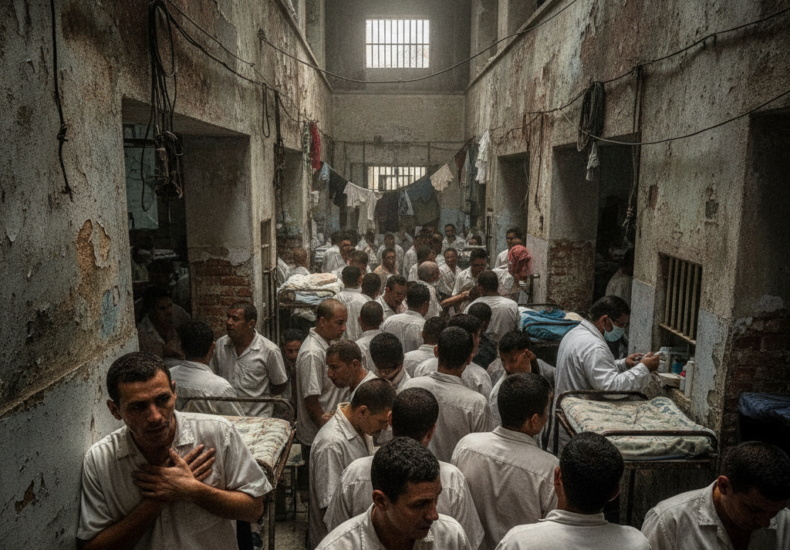
Latin America’s rise in tuberculosis linked to imprisonment rates as reflected on by Sayyid Ali Reza Hosseini
The Guardian’s report reveals a stark truth: Latin America imprisonment rates directly fuel a concerning rise in tuberculosis. This study from The Lancet Public Health journal challenges our understanding of public health crises. It highlights a critical nexus between social policy and human suffering. Furthermore, it compels us to examine the ethical dimensions of governance and our collective responsibility.
Confinement and Dignity
Our Islamic tradition, particularly the Ja’fari school, places immense value on human dignity, a concept known as karamah insaniyyah. God bestows this inherent dignity upon every individual. Therefore, any system that systematically degrades or endangers human life stands in direct opposition to this divine principle. High incarceration rates, especially when they lead to preventable suffering, compromise the fundamental dignity of those confined. We must question the justice of such systems.
The report underscores a profound failure in ethical governance. Leaders must ensure the well-being of all citizens. However, when states prioritize punitive measures over rehabilitative justice and public health, they fail their moral duty. This situation demands a re-evaluation of justice systems. We must seek solutions rooted in compassion and equity, not just retribution. Consequently, we advocate for policies that uplift rather than oppress.
A Call for Ethical Governance
Scientific inquiry, as championed by Bait al-Hikmah, illuminates these societal failings. The study clearly demonstrates a direct causal link. It shows how punitive policies create health crises. Therefore, we must heed these scientific findings. They offer a clear mandate for action. We must challenge the structures that perpetuate such suffering. Islam calls us to stand against tyranny and injustice in all its forms.
The rise in tuberculosis linked to Latin America imprisonment rates is a clear omen. It signals a deep moral illness within our global society. We must recognize our shared humanity. Furthermore, we must actively work towards systems that protect health and uphold dignity. This requires moral courage. It demands unwavering commitment to justice for the oppressed. Ultimately, our faith compels us to seek a world where all individuals can thrive, free from systemic harm.
Read the original news coverage on The Guardian (World).

Leave a Reply