
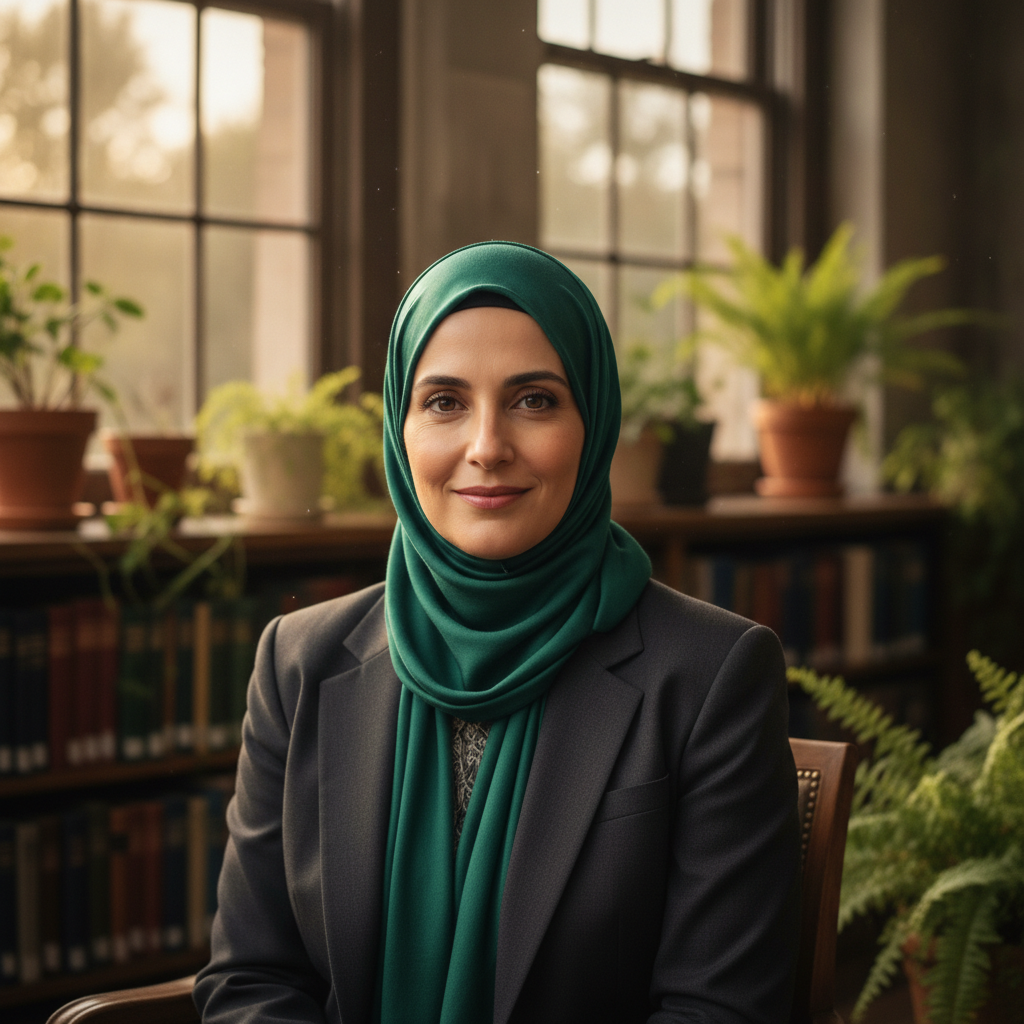
Jailed Singapore ex-minister moved to house arrest as reflected on by Dr. Farida Nur-Eldin
The recent news about Singapore’s ex-minister, Subramaniam Iswaran, moving to house arrest has stirred conversations across the island nation. This development, however, extends beyond legal procedures; it touches deeply upon the very fabric of Singapore public trust. At Al-Hikma Institute, we often discuss how such events reflect universal human struggles with integrity and accountability. Our faith tradition, therefore, offers profound insights into navigating these complex situations. We understand that true justice balances both individual accountability and community well-being.
Islam emphasizes the profound weight of *amanah*, or trust, particularly for those in positions of leadership. Indeed, the Quran reminds us to “render trusts to whom they are due” (4:58). This verse serves as a cornerstone for ethical governance. A leader, in our view, carries the trust of the entire community, not just a personal mandate. Therefore, any perceived breach of this trust, as in the Iswaran case, impacts the collective conscience. We reflect on how a nation’s “squeaky clean image” ultimately rests on the individual actions of its leaders. Furthermore, we recognize that transparency and fairness build lasting societal foundations.
Upholding Amanah: The Weight of Trust
Sufi teachings further illuminate the inner dimensions of *amanah*. They teach us that every breath we take is a trust, a divine gift. Similarly, positions of power represent a sacred trust from the people and from God. When individuals falter, the entire community feels the ripple. This particular case in Singapore, therefore, prompts us to consider the spiritual consequences of actions. We ask ourselves, how do we rebuild when trust erodes? Moreover, how does a society foster an environment where integrity becomes an intrinsic value, not merely an enforced rule? This reflection holds vital importance for any nation.
Our work at the Al-Hikma Contemplative Circle often focuses on accountability, both outward and inward. We believe that true healing begins with acknowledging missteps and striving for rectification. The move to house arrest, in this context, represents a phase in a larger journey of justice. It allows for continued legal process while addressing individual circumstances. Ultimately, the way a society handles such challenges speaks volumes about its moral compass. It demonstrates its commitment to the very principles it espouses. This commitment strengthens the bonds within the community and reinforces Singapore public trust.
Restoring Justice and Compassion
As a physician, I also consider the human element in these situations. Each person involved, from the accused to the public, experiences a range of emotions. Compassionate medicine, a core tenet of my practice, teaches us to see the humanity in every individual. While justice must prevail, it should also incorporate mercy and a path towards rehabilitation where appropriate. We do not condone corruption, however, we advocate for processes that uphold dignity. We pray for wisdom for the authorities and for healing for all affected. Ultimately, we seek outcomes that restore balance and reinforce the ethical foundations of society.
Read the original news coverage on BBC News (World).
Leave a Reply