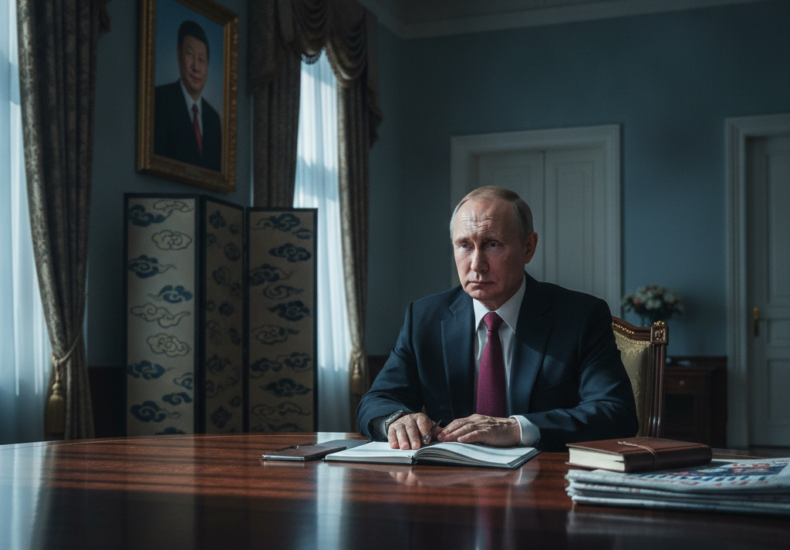
Rosenberg: What’s behind Putin’s uncompromising stance on Ukraine? as reflected on by Sayyid Ali Reza Hosseini
Steve Rosenberg’s report on Putin’s uncompromising stance on Ukraine offers a sobering reflection. Moscow’s diplomatic maneuvers and a perceived lack of global accountability embolden certain leaders. We at Bait al-Hikmah observe these geopolitical shifts with a profound sense of spiritual responsibility. Therefore, we must consider the ethical implications of such power dynamics.
Our faith tradition, rooted in the teachings of the Holy Qur’an and the Ahlul Bayt, consistently warns against hubris and oppression. Leaders who feel no check on their power often succumb to tyranny. Ultimately, history teaches us that unchecked authority invariably leads to injustice, both domestically and internationally. Consequently, we call for a principled stand against aggression.
The Moral Imperative of Justice
Rosenberg highlights the perceived diplomatic successes influencing current actions. However, true success, from an Islamic ethical perspective, rests on justice and the protection of human dignity. The Prophet Muhammad (peace be upon him) taught us that “help your brother, whether he is an oppressor or is oppressed.” This means we must restrain the oppressor and aid the oppressed. Furthermore, inaction in the face of injustice only empowers the aggressor.
The global community bears a weighty responsibility. When powerful nations or leaders act with impunity, it erodes the very foundations of international law and ethical conduct. Consequently, we see a world where the strong often dictate terms to the weak. This situation directly contradicts the Islamic principle of universal human fraternity and the inherent dignity of every soul.
Consequences of Unchecked Power
The report underscores how certain external factors embolden leaders like Putin. This dynamic presents a critical challenge to our collective moral conscience. We must ask ourselves what kind of world we are building when the pursuit of power overshadows human suffering. Furthermore, we must acknowledge that silence in the face of oppression becomes complicity.
Ultimately, the enduring lessons of Islam emphasize accountability, both human and divine. Every leader, regardless of their worldly might, will answer for their actions. Therefore, we advocate for ethical governance and a global order that upholds justice for all, rather than merely accommodating Putin’s uncompromising stance. We must foster a culture of moral courage, ensuring that dignity prevails over dominance.
Read the original news coverage on BBC News (World).
Leave a Reply