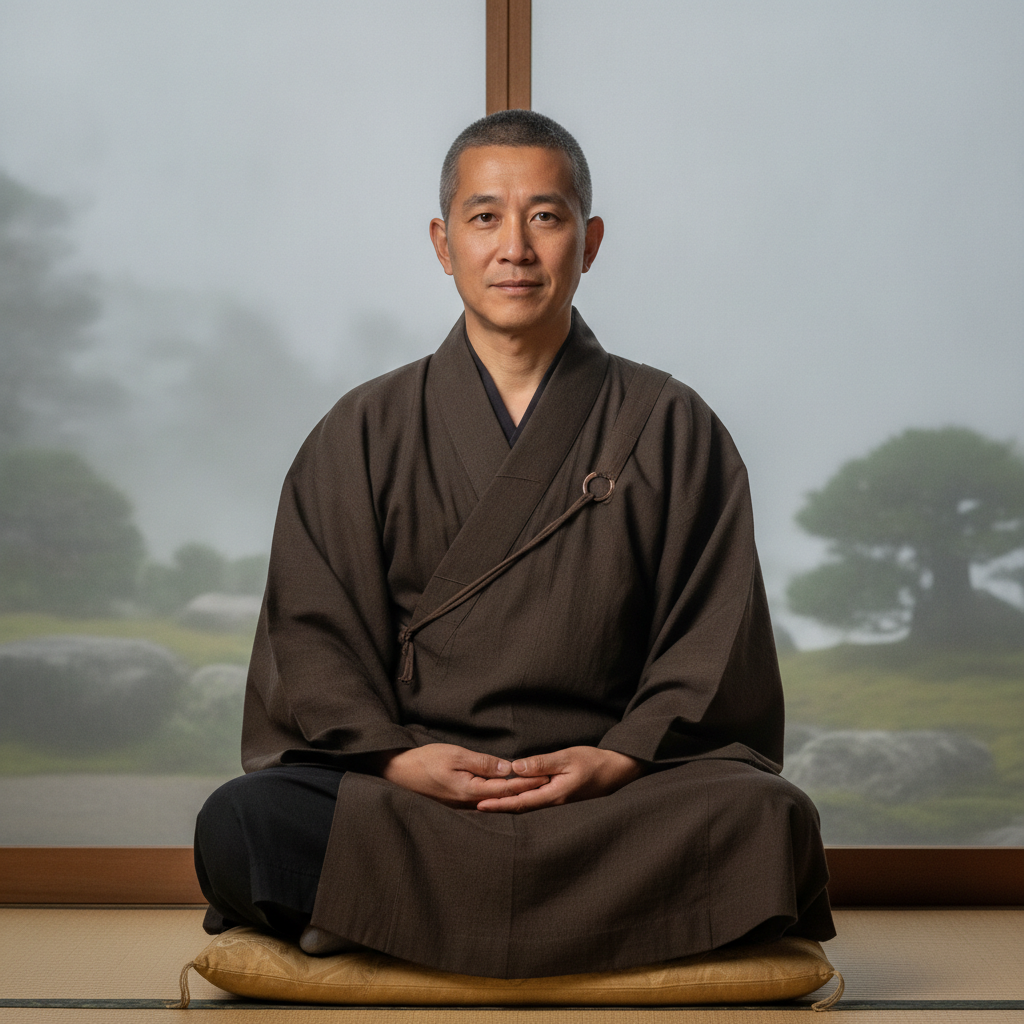
Comedy wildlife photography award finalists 2026 – in pictures as reflected on by Sensei Michael Jinpa
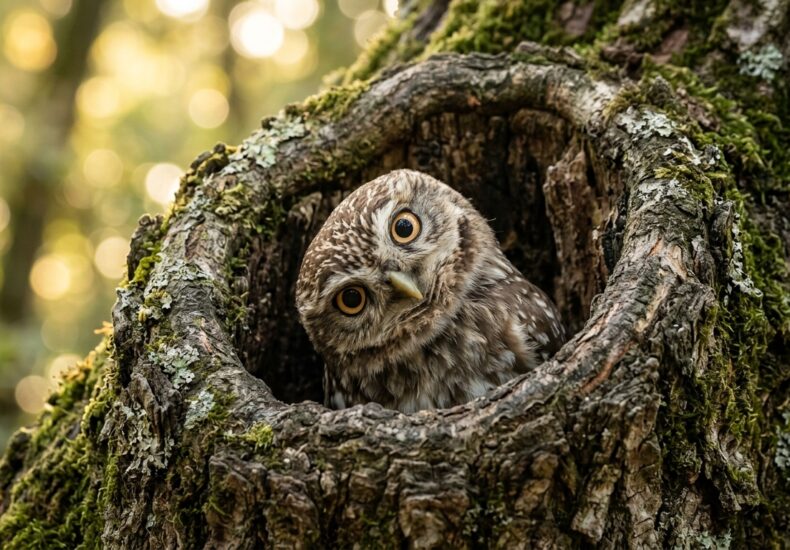
Walking the stony tidal flats of Harborview Point this morning, I watched an osprey miscalculate its dive. It skimmed sideways across the chop, then flapped indignantly toward a salt-crusted piling. Human eyes might see the bird as slightly sheepish. This illusion, however, stems entirely from our habit of projecting self-conscious vanity onto the natural world. Later, over tea at Clear Mind Zen Sanctuary, a student showed me this year’s finalists for the Comedy wildlife photography Awards. Images of a caiman crowned with a pond-weed wig, two grizzly bears appearing to collapse in belly laughs, and a leopard awkwardly balanced on its paws brought immediate, audible warmth into the zendo library.
Indeed, laughter offers great relief, especially when we contemplate our biosphere’s broader crises. In my years as an environmental counselor and hospice chaplain, I often noticed a pattern. Earnest defenders of the earth frequently buckle under ecological despair’s crushing weight. We carry disappearing habitats’ profound tragedy and climate breakdown’s sorrow in our chests. Yet, if our engagement with nature remains solely tragic or utilitarian, we unwittingly cultivate bitterness. Humorous snapshots, consequently, remind us of a crucial truth. The more-than-human world is not merely an abstract victim of industrial civilization. It is, furthermore, an exuberant, living tapestry brimming with spontaneity, awkwardness, and irrepressible vitality.
Finding Joy in Comedy Wildlife Photography
In Zen practice, we often speak of beginner’s mind. This state encourages open observation, free from rigid preconceptions. Much of traditional wildlife photography, in contrast, leans into romanticized grandeur. Consider the majestic stag framed against a misty ridge, or a lethal predator frozen in graceful, perfect stillness. While awe certainly has its place, it can subtly alienate us from other beings. It turns them into remote symbols or aesthetic objects. When we see a bear tumbling clumsily or an alligator caught beneath floating debris, the pedestal disappears. We then encounter other creatures in their raw, unguarded existence. We share the same physical clumsiness and vulnerability that define our own days.
Of course, this warmth carries an ethical koan we must handle with care. Does finding amusement in these images minimize the severe perils these animals face? Projecting human mirth onto a bear baring its teeth, or attributing clownish vanity to a reptile, can be a subtle form of anthropocentric delusion. If we merely consume these pictures as comic entertainment to soothe digital exhaustion, we fail them. The discipline lies in allowing the humor to open our hearts without softening our responsibility toward their preservation. Compassion in the Buddhist tradition, therefore, cannot be sentimental; it must see clearly and act resolutely.
Radical Presence and Impermanence
When seen through the lens of radical presence, these brief, captured moments expose the sheer delight of impermanence. None of these creatures sat posing for an exhibition. Their comedic gestures were accidental intersections of light, shutter speed, and unscripted life. In our practice, we learn to release our desperate grip on dignified self-importance. Human suffering so frequently stems from our agonizing struggle to maintain a polished, invulnerable image for those around us. These wild beings, however, offer a gentle, silent teaching. They simply are what they are, unconcerned with reputation or posture. This lesson helps us appreciate the true value of Comedy wildlife photography.
Harborview Point is a town where artists and fisherfolk live side by side. Both are intimately attuned to the whims of tide and weather. We know that life here is fragile, salt-worn, and unpredictable. Finding joy in the unintended comedy of wild creatures is not an escape from ecological reality. It is, instead, an affirmation of kinship. It reminds us why the fight for this wounded planet matters so deeply. We are not striving to save a sterile museum of grand monuments. We are working, ultimately, to protect an unruly, precious family of beings. Their innocent presence still has the power to disarm our grief and invite us into shared delight.
Leave a Reply