
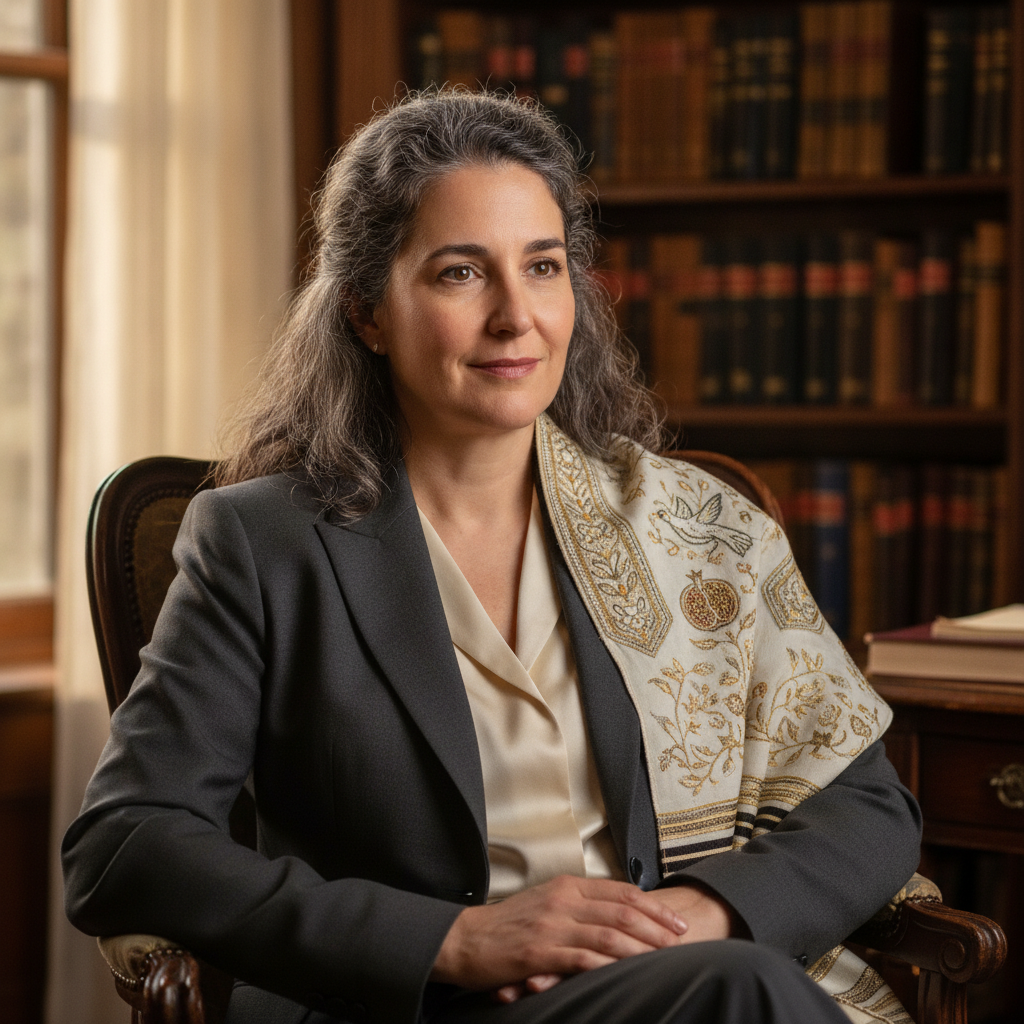
Trump’s deep public health cuts hinder response to record US cyclosporiasis outbreak as reflected on by Rabbi Miriam Levin
At Congregation Kol Shalom, our study circle gathers on Tuesday mornings. We explore passages of Jewish law many find surprisingly mundane. We read from Talmudic tractates examining property damage, sanitation, shared water cisterns, and civic zoning. People often assume holiness lives only in prayer, ritual devotion, or mystical contemplation. Our ancient sages recognized, however, that true covenantal life begins with infrastructure. This infrastructure keeps a community safe from quiet, unseen harms. Therefore, when a record cyclosporiasis outbreak impacts our nation, we must reflect on these foundational principles.
I felt an immediate ache of recognition reading reports from Michigan. Federal and state health officials worked straight through the holiday weekend. They contained an unprecedented outbreak. These dedicated civil servants labor against severe layoffs and reduced surveillance capacity. They represent the essential front lines of modern communal life. They track a microscopic parasite across complex food supply chains. Furthermore, they struggle to warn families and commercial kitchens. Institutional support is stripped away beneath them, making their vital work even harder.
The Parapet of Public Health Cuts
Classical Jewish ethics often speaks of the public square. It is not an abstraction. Instead, it is a shared physical space demanding mutual accountability. Maimonides codified a municipality’s duty to remove potential hazards from public pathways. He derived this directly from Deuteronomy’s biblical commandment. This command requires building a parapet around one’s roof, lest blood be brought upon the house. When society disinvests from basic disease surveillance and cuts public health resources, it effectively removes the parapet from the common roof. It leaves the most vulnerable among us exposed to fall.
Here in Highland Woods, our suburban neighborhoods pride themselves on comfortable kitchens. We enjoy fresh local markets and summer backyard gatherings. It is tempting to imagine our domestic sanctuaries insulate us from the wider world. Yet, the lettuce or fresh berries on our Shabbat tables travel through an interconnected web. This web includes agricultural workers, distribution hubs, and regulatory bodies. The illusion of private self-sufficiency dissolves quickly. This happens when contaminated food makes its way to a family dinner. Our individual health is inextricably tied to the health of the stranger who harvests the crop. It also connects to the civil servant who monitors the soil and water.
Investing in Life, Not Austerity
This dynamic becomes even more acute when Medicaid cuts compound the crisis. A parasite like Cyclospora does not check an insurance card. It causes weeks of debilitating illness regardless. When lower-income households cannot afford timely medical diagnosis or treatment, an outbreak festers. It then spreads farther into the common stream. In the Jewish tradition, the obligation of pikuach nefesh, saving a human life, overrides almost every other religious commandment. By extension, institutions dedicated to preserving life and preventing sickness are sacred civic endeavors. They are not expendable budget items.
Tikkun Olam, the repair of a fractured world, is often romanticized. People imagine grand, sweeping acts of charity. In reality, it builds upon the quiet, steady maintenance of communal systems. It is found in well-funded laboratories, attentive lab technicians, robust inspection standards, and accessible clinics. To undermine these systems in the name of austerity represents a failure of our covenantal obligations to one another. It treats human vitality as an afterthought. Truly, it should be the primary purpose of our common wealth.
We pray for the recovery of those already sickened. We hold exhausted health workers in our thoughts. However, we must also confront our civic choices with moral clarity. We cannot ask our public servants to protect our families with their hands tied behind their backs. True righteousness requires investment in collective safeguards that preserve life. This ensures every table, in every neighborhood, can be a place of nourishment, dignity, and peace.
Leave a Reply