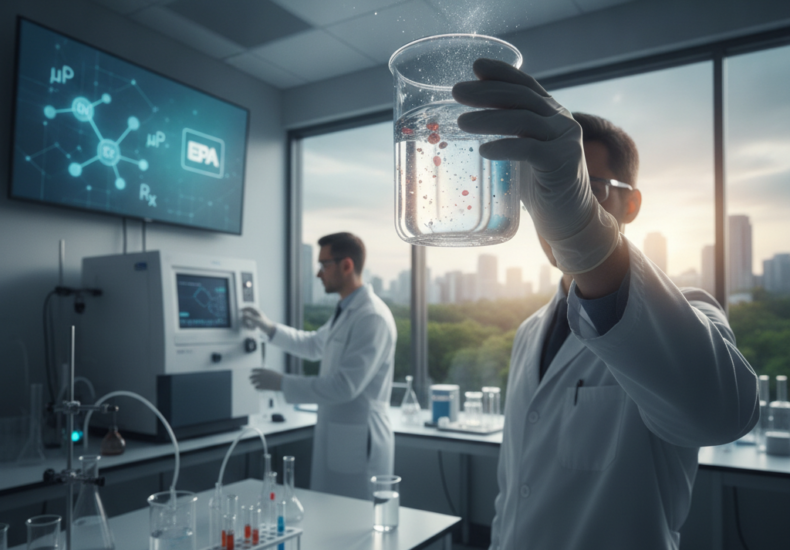
EPA moves to designate microplastics and pharmaceuticals as contaminants in drinking water as reflected on by Rev. Dr. Christine Althaus
The recent EPA proposal to list microplastics and pharmaceuticals as new drinking water contaminants brings urgent attention to our shared responsibilities. Here in the North Woods lake country, we understand deeply that water is life. This move by Administrator Lee Zeldin, responding to community concerns, marks a critical step. It calls us to consider our covenantal relationship with creation and with one another.
Stewardship of Our Shared Waters
Lutheran theology emphasizes vocational stewardship. Therefore, we recognize our calling to care for the world God entrusts to us. Our actions, both individual and communal, directly impact our precious fresh water. Furthermore, this EPA decision reminds us that our consumption patterns and waste management practices have far-reaching consequences. Ultimately, we must ask ourselves: how do we honor creation’s integrity and protect future generations?
This initiative, even if a first step, reflects a growing awareness. People across our nation are recognizing the tangible links between human activity and environmental health. Here at St. John’s, we advocate for robust water security, understanding it as a fundamental issue of public grace. We believe clean water is a right, not a privilege. Consequently, this proposal offers a chance to deepen our commitment to fresh water preservation.
Accountability for Drinking Water Contaminants
The presence of microplastics and pharmaceuticals in our water highlights a systemic challenge. It demands communal accountability. We must examine our industrial practices, our agricultural methods, and our personal choices. In addition, we need cooperative rural-urban bridges to address pollution sources comprehensively. This means engaging in restorative civic dialogue, not just assigning blame, but seeking shared solutions.
This is not merely an environmental issue; it is a moral one. We are called to be good neighbors to all creation. Therefore, we must support policies and innovations that safeguard our drinking water contaminants from further degradation. Let us embrace this opportunity. We can collectively work towards a future where all God’s children have access to clean, safe water, reflecting God’s abundant grace.
Read the original news coverage on The Guardian (Environment).

Leave a Reply