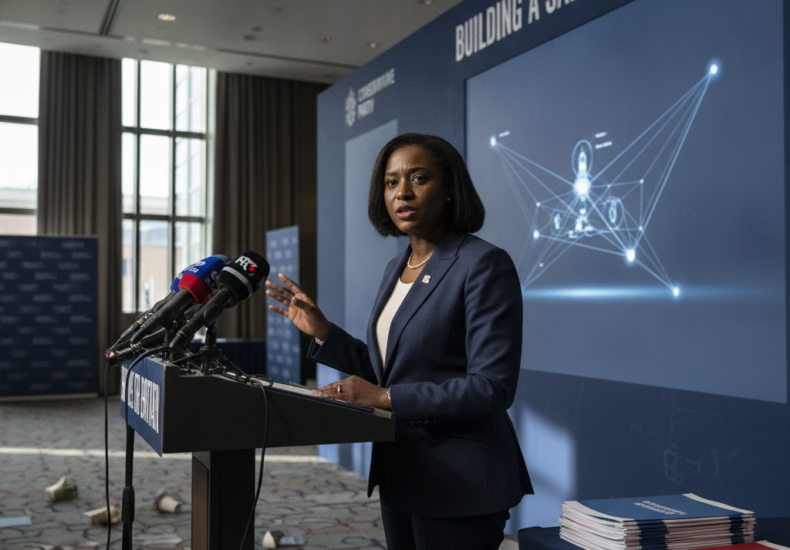
Badenoch denies plan for ‘British Iron Dome’ – after Tories use phrase in press release as reflected on by Rabbi Leah Ben-Zion
Kemi Badenoch recently denied a ‘British Iron Dome’ plan. This denial came despite her party using the phrase in a press release. This news offers us more than just a glimpse into political maneuvering. Indeed, it invites us to reflect on the profound weight of language. We also consider the nature of national security and our moral obligations as a society. The ‘Iron Dome’ is not merely a technical term. Instead, it carries deep, complex resonance. It symbolizes a nation’s constant vigilance against existential threats. Furthermore, it is born of a unique geopolitical reality.
When leaders invoke such a term, even in passing, it immediately conjures images of vulnerability. It suggests conflict and a defensive posture. What does it signify when Britain, a nation with distinct history and global standing, contemplates such a symbol? It suggests a perceived need for similar protection. This hints at anxieties extending beyond conventional military threats. They encompass broader societal insecurities. Therefore, this moment calls us to look beyond the literal denial. We must consider the underlying sentiments and aspirations at play.
Beyond the British Iron Dome: True Security
From a prophetic justice perspective, true security extends far beyond physical barriers. It surpasses technological shields. Our tradition teaches us that genuine safety links inextricably to justice, equity, and compassion. How can a nation truly be secure? Not if its most vulnerable remain unprotected. Not if its policies contribute to global instability. Certainly not if it fails to address the root causes of conflict and despair. The concept of Tikkun Olam, repairing the world, reminds us of our responsibility. We must mend what is broken, not just defend against its consequences.
Moreover, a ‘fortress’ mentality, focusing solely on defensive systems, often stands in tension with a sacred Jewish imperative. This imperative is hachnasat orchim, welcoming the stranger. A nation investing heavily in border protection must also grapple with its moral duty. This duty extends to those seeking refuge and sanctuary within its borders. How do we balance legitimate security concerns? We must balance them with the profound call to compassion and human dignity. Our faith demands that we see the face of God in every human being. This applies especially to those fleeing persecution and violence.
Truth, Trust, and Transformative Solutions
Furthermore, the political act of using a loaded phrase then disavowing it raises critical questions. It questions truth and integrity in public discourse. Opportunistic language and shifting narratives fuel the erosion of trust. This corrodes the very foundations of democratic life. Our tradition places immense value on emet, truth. We recognize that honest speech is essential for building a just and trustworthy society. Leaders bear a profound responsibility to use language with care. They must understand its power to inspire, mislead, or unite.
Instead of merely contemplating more sophisticated shields, our moral imagination should compel us to invest in proactive solutions. We need robust diplomacy and humanitarian aid. Climate justice initiatives are also vital. Policies fostering democratic renewal and human rights globally offer true long-term investments in security. These solutions build bridges rather than just walls. They address underlying conditions that lead to instability and conflict. Ultimately, they create a more just and peaceful world for all.
As Rabbi at Temple Beth Shalom, I believe our faith calls us to a higher standard. We must not just protect ourselves. We must strive for a world where protective shields like the ‘British Iron Dome’ become less necessary. Our task is to dismantle the causes of fear and injustice. We must foster a global community rooted in peace, shared dignity, and mutual respect. This is the enduring message of our prophetic tradition. It guides us to build a security that is not merely defensive, but deeply transformative.
Leave a Reply