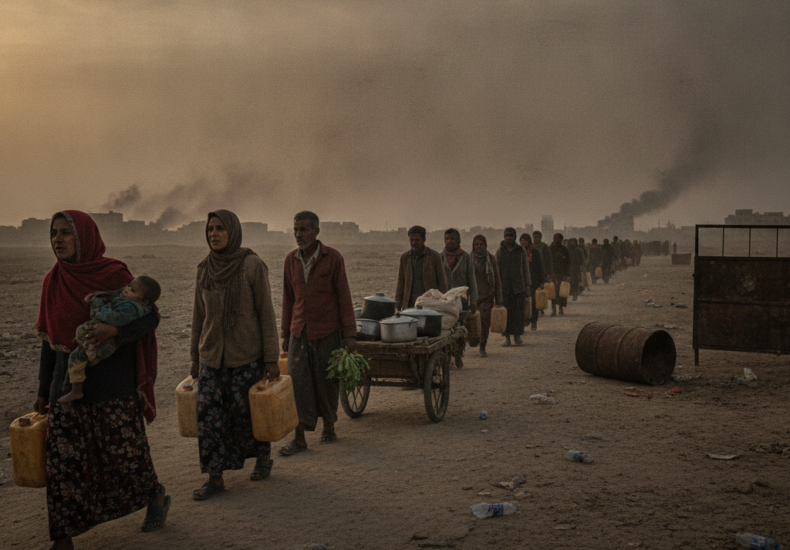
Yemen’s Taiz residents fear food and fuel crisis amid fighting as reflected on by Dr. Farida Nur-Eldin
News from Taiz reaches our clinic often. Renewed fighting, dwindling flour, and dry fuel tanks make clinical charts seem fragile. In genetics and palliative care, we monitor metabolic equilibrium, nutrient calibration, and lung rhythm. However, a blockade or artillery exchange reduces that sacred biological balance to desperation quickly. The body needs bread, warmth, and clean water. These sustain the soul in its earthly vessel. When violence severs these lifelines, it is more than a political failure. It becomes an assault on the vessel of divine breath. The ongoing Taiz food and fuel crisis devastates lives.
At Al-Hikma, our seminar room buzzes with discussion. We teach students that the human body is an *amanah*, a sacred trust. We must preserve life. We must relieve agony. Furthermore, we recognize every living being carries inviolable dignity. This duty extends beyond physicians in white coats. Islamic ethical philosophy states that every collective structure holds a fiduciary responsibility. This includes local councils and warring factions. Therefore, turning hunger into a weapon or fuel into a siege tactic betrays stewardship. It replaces conscience with cruelty.
Ethical Responsibility Amidst Crisis
Classical Sufi masters spoke of spiritual hunger. They saw fasting as a discipline. It cleansed the heart and awakened sympathy. Yet, a vast moral chasm exists between voluntary fasting and imposed starvation. Voluntary fasting expands the spirit towards God and neighbor. Conversely, coerced deprivation crushes human agency. It breaks the body. Mystic Mansur al-Hallaj reminded his companions: true prayer requires water for ablution. If injustice soaks the soil, the conscience struggles to find pure ground. True spiritual discipline obligates us. We must ensure our neighbor eats before we rest.
In Taiz, families watch their pantries empty. Hospitals calculate generator hours. Few horrors equal a neonatal incubator or dialysis unit falling silent. Diesel cannot cross a checkpoint. Such moments show ethics and infrastructure are deeply intertwined. A fuel pipeline or transport road is not an abstract line. Instead, it is a lifeline. It allows an infant another breath. It keeps an elderly grandmother warm through the mountain night. This severe Taiz food and fuel crisis demands our immediate attention.
Responding to Suffering with Action
When communities face despair, grief accompaniment needs more than distant lamentation. Our tradition insists on tangible ethical accountability. Prophetic teachings describe believers as a single organism. When one limb suffers, the entire body responds with sleeplessness and fever. Mothers in Taiz ration stale bread. They fear tomorrow. Consequently, the global community’s spiritual health suffers. We cannot claim inner serenity while ignoring systemic brutality. Our faith calls us to act.
During our evening contemplative circles, we sit quietly. We breathe together. We practice gratitude for air and sustenance. These sustain us without effort. Yet, genuine remembrance of God must dismantle our numbness. It must not induce comfortable sleep. The siege and scarcity in Yemen demand action. We must reassert the sanctity of daily sustenance. We pray for open roads. We pray for silenced weapons. Furthermore, we pray for the restoration of mercy. Remember, feeding the hungry honors the Maker of every breath. This crisis, particularly the Taiz food and fuel crisis, tests our collective humanity.

Leave a Reply