Australia faces summer of extreme weather, Anthony Albanese warns at pre-Cop as reflected on by Rev. Dr. Christine Althaus
Here in the Upper Midwest lake country, autumn brings a quiet stillness. Morning mist lifts off our cold bays. We begin the seasonal labor of pulling docks and checking woodpiles. Indeed, we live by water, ice, and soil rhythms. We intimately know our local balance is fragile. News reaches us from the Southern Hemisphere. Australia faces a summer of extreme weather, with impending cyclones and scorched bushland. Low-lying island nations also face rising tides. Rural communities like ours might feel distant. However, the global water cycle binds us together across thousands of miles. What stirs in the Pacific eventually alters our own atmosphere. Creation shares a single, unbroken pulse.
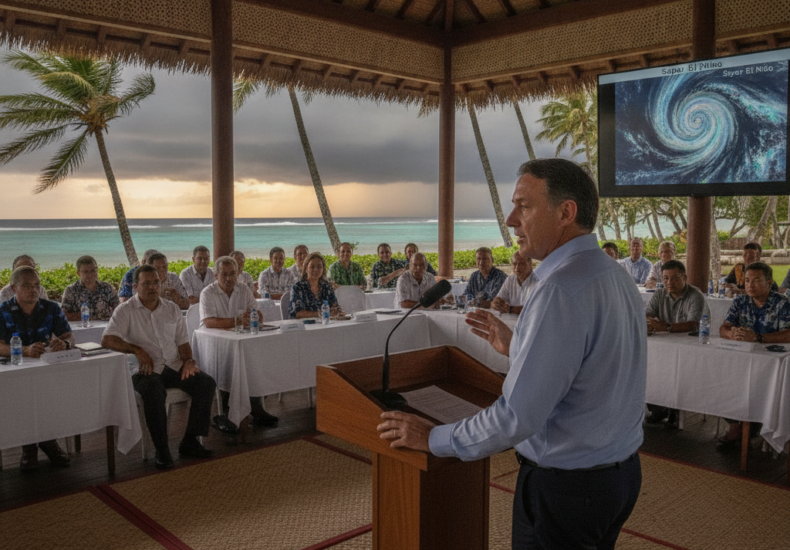
Prime Minister Anthony Albanese recently spoke to Pacific delegates. He warned about a brewing El Niño. Climate instability is not an abstract future crisis, he stated. Rather, it is a present hazard. Listening to his words alongside leaders from Tuvalu and Fiji confronts us with an urgent moral reality. In our Lutheran tradition, we understand creation differently. It is not an inert backdrop for human exploitation. Instead, it is a living theater of divine grace. We are called into vocations of stewardship. We are entrusted with tending a neighborly world. Our daily choices directly touch the lives of people we will never meet.
Responding to Extreme Weather and Global Need
Low-lying atolls face inundation. Meanwhile, continental coastlines brace for catastrophic fire and flood. The question before us ceases to be merely technical or political. It becomes a matter of public grace and communal accountability. Who pays the steepest price for prolonged negligence? Historically and practically, the burden falls first. It impacts coastal fishing villages, small island nations, and working families. They often lack the capital to rebuild repeatedly. Scripture consistently calls God’s people to account. It questions how our habits affect the most vulnerable. Neglecting our global neighbors’ distress is a failure of basic neighbor-love.
Conversations around climate change too often fracture. They divide along familiar lines of grievance. Rural economies are pitted against urban policy makers. Living in the North Woods, I hear good people express fatigue. They feel distant from international summits. Top-down mandates often feel detached from working life. True stewardship does not divide us, however. Instead, it invites restorative dialogue. Farmers cultivate topsoil. Lake shore residents protect watershed buffers. Pacific islanders safeguard their coral reefs. All these groups share a common baseline need. They need stable seasons and clean water. Building bridges between rural common sense and global responsibility begins when we acknowledge our mutual dependence. This is especially true when facing a summer of extreme weather globally.
A Call for Collective Conversion and Resolve
Limiting global heating to livable thresholds requires more than diplomatic speeches. It demands an honest, collective conversion of heart and habit. In our parish, we often speak of repentance. We see it not as groveling guilt. It is an intentional turning around. It is a conscious choice. We align our work, energy use, and public advocacy with life’s flourishing. International leaders warn that the 1.5-degree threshold is slipping. The appropriate spiritual response is neither fatalistic despair nor indifferent shrugs. It is sober, determined resolve.
Winter prepares to lock our northern lakes under clear ice. Simultaneously, summer descends with fierce heat upon Australia and the Pacific. We hold those communities in our prayers. They are not distant strangers. They are fellow inheritors of the earth. Prayer, however, is hollow if it does not compel us. It must push us toward civic courage and responsible living. May we have the wisdom to listen. We must hear the cries of the waters and the islands’ vulnerability. To care for the least among us is to honor the Maker of all things.
Leave a Reply