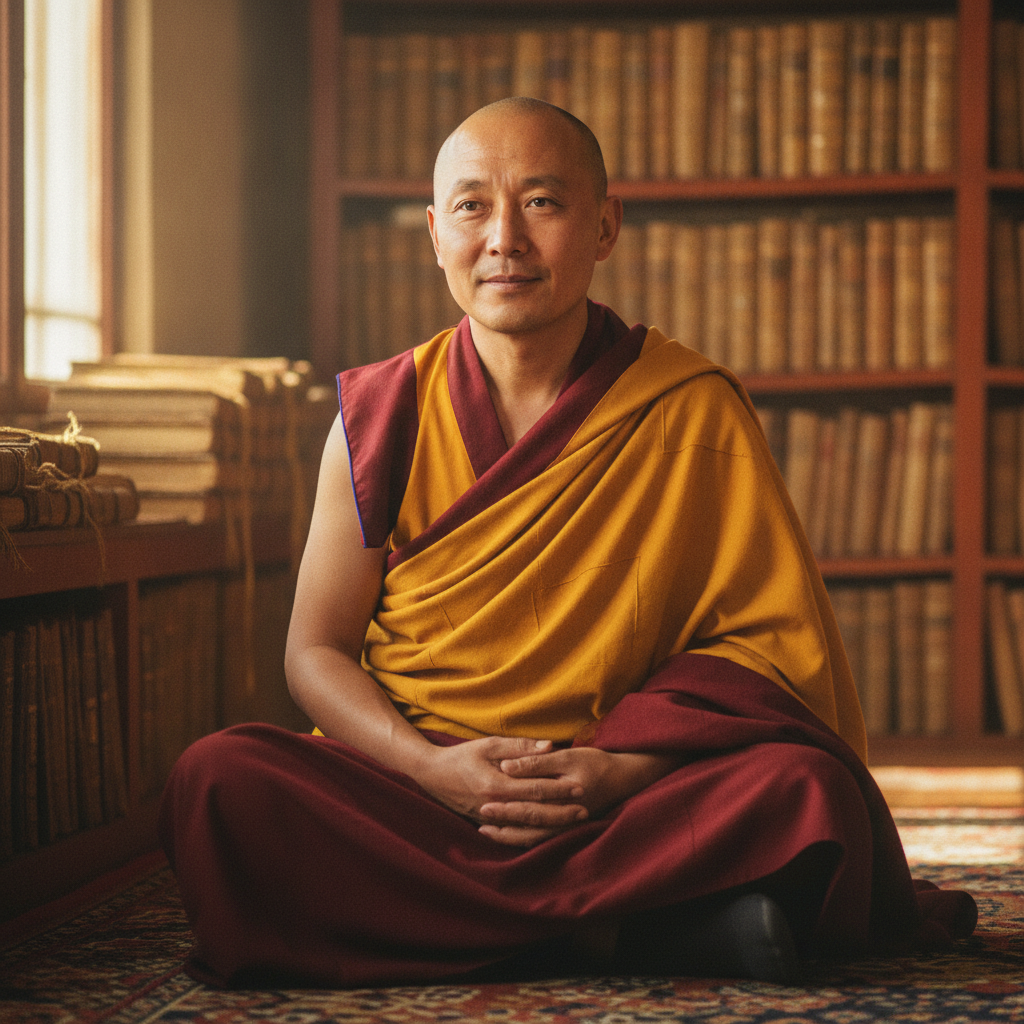
Coalition’s migration plan risks breaching India free trade agreement and damaging economy, advocates warn as reflected on by Venerable Geshe Lobsang Tenzin
At our institute, we often discuss how the human mind creates artificial boundaries when anxiety appears. A new proposal seeks to curtail graduate visas and slash migration numbers in Australia. This Coalition migration plan uses economic management language. However, an ancient cognitive reflex lies beneath the spreadsheets: fear of the stranger and an impulse to contract inward. When a nation considers breaking faith with agreements, it reveals how fragile human trust becomes. Political expediency often erodes this trust.
From a Buddhist perspective, every action begins with perception. Faulty perception, therefore, invariably generates harm. Societies begin to view aspiring scholars and working youth as mere numerical burdens. They also see fleeing refugees this way. Instead, societies should view them as living participants in mutual survival. When they do not, they fall into an illusion of self-sufficiency. No nation, economy, or household truly exists independently. We are all bound together in a network of dependent arising. Imagining one can preserve internal security by severing connections to the wider human family is like cutting a tree’s roots to save water for its leaves.
The Impact of the Coalition Migration Plan
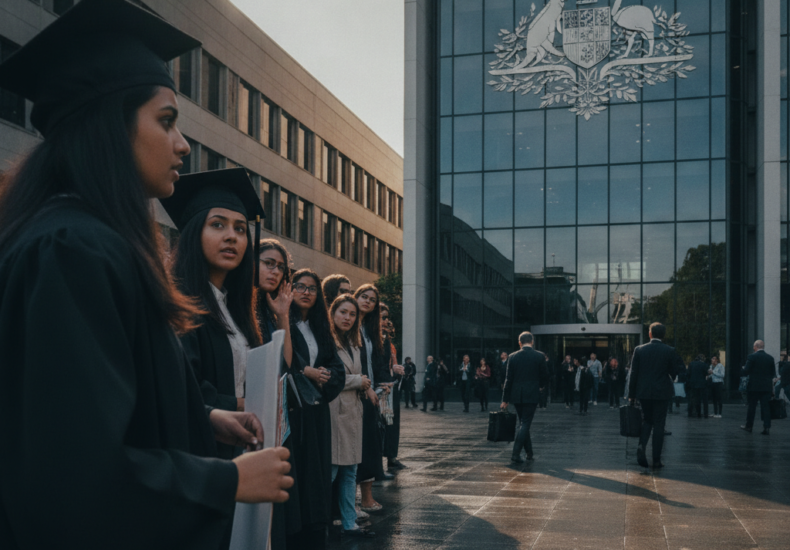
I think of the young people who travel far from home. Their extended families often place hopes and hard-earned savings on their shoulders. They arrive in foreign cities seeking not just credentials. They also seek a meaningful path to contribute their gifts to the world. Abruptly altering the rules after years of dedicated study and community life fails basic moral reciprocity. When we encourage students to cross oceans under one promise, then close the door upon their graduation, we plant seeds of cynicism and disillusionment. This Coalition migration plan risks those outcomes.
The proposal to halve humanitarian places strikes an even deeper moral foundation. Temporary student visas involve contractual fair dealing. Humanitarian protection, however, touches the sacred duty of sanctuary. In our training in secular ethics, compassion is not a sentimental luxury. We reserve it for prosperous seasons. Instead, it is a rational discipline. A person escaping violence or destitution possesses inherent dignity. This dignity does not diminish because a host nation experiences housing pressures or political debate. Halving places for those in desperate need treats human vulnerability as an expendable line item.
Cultivating Compassion, Building Strength
A society cannot cultivate genuine inner peace while practicing systematic exclusion. Fear often guides public policy. Consequently, it narrows the collective heart. It encourages citizens to perceive neighbors as competitors and newcomers as threats. In the psychology of patience, we learn that difficulties like infrastructure strain or economic adjustment require analytical investigation. They also need creative cooperation. We must avoid scapegoating those with the least power to defend themselves. Building walls around our comfort only deepens our fragility.
True strength in governance, just like in spiritual practice, lies in boundless magnanimity. Australia has been enriched over decades. Seekers, workers, and scholars from India and across Asia have brought vitality. Therefore, Australia possesses the capacity to address domestic shortages through wise planning. It can do this without abandoning human solidarity. Keeping one’s word, honoring international compacts, and offering sanctuary to those in peril are not signs of weakness. They are, furthermore, essential conditions for living with honor in an interdependent world.
Leave a Reply